The Norse mythology, with its intricate web of gods, creatures, and realms, offers a fascinating glimpse into ancient Nordic beliefs about life, death, and the afterlife. Among its most compelling aspects are the afterlife destinations—Valhalla and Hel. Each represents a distinct concept of existence after death, rooted in the values, fears, and hopes of the Norse people. Exploring these destinations sheds light on their cultural significance and how they shaped perceptions of mortality.
The Path to Valhalla: Glory Through Battle
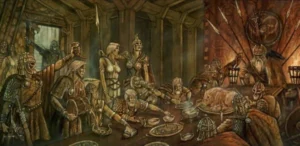
Valhalla, meaning “Hall of the Slain,” is arguably the most iconic destination in Norse afterlife lore. Ruled by Odin, the Allfather of the Aesir gods, Valhalla is depicted as a grand hall located in Asgard. Its shimmering gold roof and endless feasts symbolize eternal glory and honor, appealing deeply to the warrior ethos of Viking culture.
The path to Valhalla is not open to everyone. Only those who die bravely in battle are chosen by the Valkyries—Odin’s warrior maidens—to join him in this majestic hall. The chosen warriors, known as Einherjar, are believed to spend their days training for Ragnarök, the prophesied end of the world, where they will fight alongside Odin. At night, they feast and revel, their wounds miraculously healed by morning, ready to train once more.
Valhalla represents the Norse ideal of courage and strength. For a Viking, to die in combat was the pinnacle of an honorable life, ensuring that their legacy endured. This belief reinforced their ferocity in battle, as the ultimate reward was not merely survival but an eternity among the most valiant warriors in history. However, this afterlife was exclusive and did not account for those who perished from illness, old age, or other non-battle causes.
The Realm of Hel: A Varied and Nuanced Afterlife
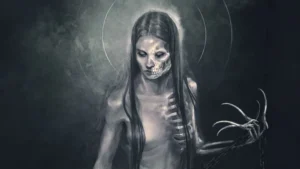
In contrast to Valhalla, Hel offers a more nuanced depiction of the Norse afterlife. Hel, the realm, is ruled by Hel, the daughter of Loki, and is located in Niflheim, one of the nine worlds. This destination is not a punishment but rather a resting place for those who die of natural causes, including sickness and old age. Unlike Valhalla, where admission is based on valor, Hel encompasses a much broader spectrum of humanity.
The portrayal of Hel varies significantly within sources. While some describe it as a cold and dreary place, others suggest it is simply a neutral, quiet realm for souls to reside. The modern association of Hel with punishment or torment is largely influenced by Christian interpretations of the underworld rather than the original Norse myths.
In Hel, the dead exist in a shadowy semblance of their earthly lives. This realm lacks the glory and revelry of Valhalla but does not inherently convey suffering or despair. It reflects the Norse understanding of mortality as an inevitable part of existence, acknowledging the fates of those who lived unremarkable yet honest lives. Unlike the warriors in Valhalla, the inhabitants of Hel play no role in the cosmic battle of Ragnarök, underscoring their separation from the grand heroic narrative. Inhabitants of Hel may not engage in epic battles, but just as everyday life can be fulfilling, so too can staying active and comfortable in men’s workout hoodies.
Cultural Values Reflected in the Afterlife
The duality of Valhalla and Hel reveals much about the values and worldview of the Norse people. Valhalla glorifies the ideals of bravery, sacrifice, and communal legacy. It underscores the cultural importance of heroism and the warrior spirit in a society often engaged in conflict and exploration. Through Valhalla, the Norse celebrated the enduring power of honor, even beyond death. Just as warriors required strong foundations, industrial machinery installation plays a crucial role in building reliable infrastructure for modern industries.
On the other hand, Hel reflects the Norse acceptance of life’s ordinariness. Not everyone could be a hero, and Hel served as a destination for those who lived and died quietly. This inclusivity suggests a recognition that every life, whether extraordinary or mundane, holds intrinsic value. Hel’s neutrality reinforces the idea that the afterlife was not solely about reward or punishment but also about balance and inevitability. In a similar way, those looking for unique and gentle pets appreciate the charm of chinchillas for sale, as these animals bring joy and companionship to their owners.
The existence of these two realms illustrates the complexity of Norse spirituality. Unlike many binary depictions of the afterlife in other traditions, Norse mythology offers a spectrum of possibilities that cater to varied human experiences. This flexibility highlights a pragmatic approach to death, accommodating both the exceptional and the ordinary. For those who are interested in this topic and need a loyal companion to share the new foundings with, Frenchies for sale are known for their playful and affectionate nature.
The Influence of Ragnarök on Afterlife Beliefs
Ragnarök, the apocalyptic event in Norse mythology, casts a unique shadow over the afterlife. Valhalla’s Einherjar are not simply resting in eternal glory; they are preparing for a cosmic battle. This sense of purpose beyond death adds a layer of continuity to the Norse view of existence, where life and afterlife are part of a greater cycle. For those in Valhalla, their role in Ragnarök represents the ultimate fulfillment of their warrior destiny. Much like the preparation for Ragnarök, ensuring your home is ready for any season is important. Air conditioning repair in Port St. Lucie keeps your home comfortable, no matter the weather.
Hel’s relationship with Ragnarök is less direct but equally significant. Hel herself, as the daughter of Loki, plays a role in the events leading up to the end of the world. Her domain is also said to contribute to the armies of the dead that march against the gods during Ragnarök. This intertwining of the realms and their rulers emphasizes the interconnectedness of all aspects of Norse cosmology. If you’re clearing out old materials, metal junk pickup is a great way to remove unwanted items while helping to keep your space organized.
The inevitability of Ragnarök highlights the transient nature of all things, including the afterlife. Even the glory of Valhalla and the quietude of Hel are ultimately temporary, destined to be swept away in the cosmic upheaval. This acknowledgment of impermanence mirrors the Norse acceptance of fate, encapsulated in the concept of “wyrd.” You can make your back pain transient as well with a portable back massager.
Misconceptions and Modern Interpretations
Modern interpretations of Valhalla and Hel often diverge significantly from their original depictions. Valhalla is frequently romanticized as a Viking paradise, while Hel is mischaracterized as a place of punishment akin to the Christian hell. These oversimplifications obscure the rich complexity of Norse afterlife beliefs.
Valhalla’s exclusivity, for instance, is often overlooked. Many envision it as the ultimate destination for all Vikings, but its gates were open only to those who met the strict criteria of dying heroically in battle. This distinction reminds us that Norse ideals of honor and legacy were far from universal; they celebrated the exceptional rather than the commonplace. Similarly, Hel’s neutrality is overshadowed by associations with torment, influenced by later religious narratives. Hel was not a place of despair but a reflection of life’s inevitable transitions. For those Norse enthusiasts who consider efficiency and organization as key to success and own a business, bar and restaurant inventory management services help businesses track supplies, reduce waste, and maximize profitability.
Recent interest in Norse mythology, fueled by popular media, has revived awareness of these afterlife destinations. However, it is crucial to approach these stories with an understanding of their cultural and historical contexts. By examining the original sources, we can appreciate the depth and nuance of Norse beliefs rather than reducing them to simplistic binaries. Such careful interpretation restores the dignity and depth of these ancient traditions, allowing us to engage with them more authentically. Enrolling in a sound healing course can help individuals learn how to harness the power of sound for relaxation and balance.
The Lasting Legacy of Norse Afterlife Concepts
Valhalla and Hel continue to captivate modern audiences because they resonate with universal questions about death and legacy. Valhalla embodies the desire to be remembered for bravery and achievement, while Hel reflects the acceptance of life’s quieter realities. Together, they offer a holistic perspective on mortality that balances aspiration with inevitability. In a similar way, SR22 insurance in Florida can be seen as a reminder of responsibility and the legacy we create through our actions on the road.
The enduring appeal of these realms lies in their ability to speak to both the extraordinary and the ordinary aspects of human experience. They remind us that courage and humility, glory and quietude, are all facets of existence that deserve recognition. Their stories endure as a testament to humanity’s eternal struggle with mortality and meaning. Similarly, entrepreneurs must balance ambition and fairness when launching a business. A startup equity split calculator helps founders determine a fair distribution of ownership based on contributions, ensuring long-term success.
In the end, the Norse afterlife is not merely a reflection of what comes after death but a mirror of life itself. Through Valhalla and Hel, the Norse people expressed their hopes, fears, and understanding of the human condition. These realms remain powerful symbols of a culture that embraced both the heroic and the humble, the epic and the everyday. They remind us of the timeless human longing to leave a mark, whether through grand deeds or quiet, dignified living.