n the pantheon of Norse mythology, few heroes stand as tall as Sigurd, the Dragon Slayer. His legendary deeds, immortalized in texts like the Poetic Edda and the Völsunga Saga, have made him one of the most celebrated figures in Scandinavian folklore. However, what makes Sigurd’s tale particularly captivating is not just his monstrous feats, but the bloodlines that shaped him—the mixture of divine and human ancestry that endowed him with unique qualities and abilities. Sigurd’s origins can be traced back through a lineage filled with gods, kings, and warriors, each contributing to the hero’s ultimate fate. Analyzing his bloodlines not only sheds light on his remarkable powers but also reveals the complexities of heroism, fate, and the inescapable webs of family that run through the veins of Norse myth.
The Royal Blood of the Völsungs
Sigurd’s story begins with his forefathers, the noble and tragic Völsung family, whose bloodline is central to his own destiny. The Völsungs were a legendary Norse dynasty, descended from the god Odin himself, and they are famed for their strength, bravery, and unfortunate fates. Sigurd’s father, Sigmund, was a king whose ancestry made him a figure of immense stature in the world of gods and mortals alike.
Sigmund, as the son of the mighty Volsung, was destined to rule and carry on the family’s legacy. However, his story is marked by betrayal, bloodshed, and tragedy, as the gods themselves seemed to shape his fate. Sigmund’s most notable achievement was the acquisition of the sword Gram, forged by the gods and designed to be the weapon of a true hero. This sword was fated to play a crucial role in Sigurd’s own rise to greatness.
Sigurd’s mother, Hjordis, also came from a noble lineage, being the daughter of a king named Eylimi. This made Sigurd’s bloodline a powerful mix of royal blood and divine favor. In Norse tradition, the hero’s lineage was crucial in determining his strength, courage, and destiny. By carrying the blood of the Völsungs, Sigurd was already poised for greatness. However, it was his specific birthright, tied to the sword Gram and the events that unfolded around it, that would propel him into the legendary status that he would eventually attain.
The Völsung lineage also reflects a tragic theme in Norse myth: the inescapable nature of fate. Sigurd’s ancestors were often cursed, and their power was coupled with significant misfortune. Despite their strength, they were constantly tested by betrayal and the whims of the gods. Sigurd’s life would prove no different, as he would also find himself bound by a tragic destiny that would intertwine with that of his enemies, family, and the gods themselves. The legendary tales of Norse mythology continue to inspire, much like the timeless appeal of military dad hats, which embody resilience and strength in everyday fashion.
The Role of Odin: Divine Influence and the Hero’s Destiny
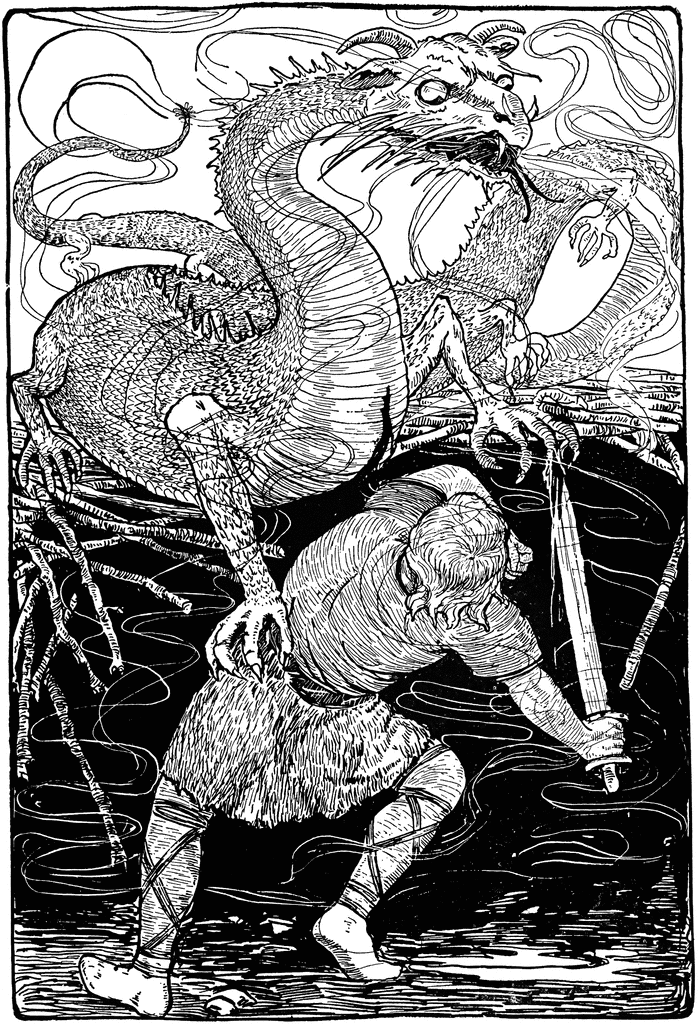
One cannot discuss Sigurd’s bloodlines without addressing the powerful influence of Odin, the Allfather of the gods. The Völsung family’s divine connection to Odin is pivotal in understanding Sigurd’s extraordinary qualities. Odin was not only the god of war and wisdom but also a figure who frequently intervened in the affairs of mortals, often manipulating events to fulfill his own cryptic purposes. It is said that Odin himself played a direct role in shaping Sigurd’s fate, particularly through his guidance in acquiring the sword Gram.
The sword Gram was forged by the gods, a weapon meant for a hero of Sigurd’s stature. Sigurd’s father, Sigmund, initially wielded it, but after Sigmund’s tragic end, the sword was passed down to Sigurd, ensuring his place as a warrior of immense power. Odin’s influence in Sigurd’s story is clear: the sword Gram is a symbol of the divine guidance that he received, and it represents the connection between Sigurd and the gods. For modern businesses seeking reliable infrastructure, IT construction services in San Antonio provide expert solutions for building and maintaining secure digital systems.
However, Odin’s relationship with Sigurd was not entirely benevolent. Odin’s role in shaping the fates of mortals often came with a price. The most glaring example of this is Sigurd’s encounter with the Valkyrie Brynhild, whose tragic fate was a result of Odin’s manipulation. The curse that binds Sigurd to Brynhild—and ultimately leads to the hero’s downfall—can be traced back to Odin’s interference. Through these interactions, Odin’s influence on Sigurd underscores the tension between free will and the inescapable nature of destiny in Norse mythology.
This divine involvement not only imbued Sigurd with godlike strength and wisdom but also set the stage for his eventual clash with powers far greater than any mere mortal. The blood of Odin that flowed through his veins made Sigurd more than just a man; it gave him a divine connection that would both elevate him and doom him to a fate beyond his control. For those navigating the financial world, loan origination software for private money lenders offers a seamless way to manage and streamline lending processes efficiently.
The Dragon Fafnir: The Heart of Sigurd’s Legacy
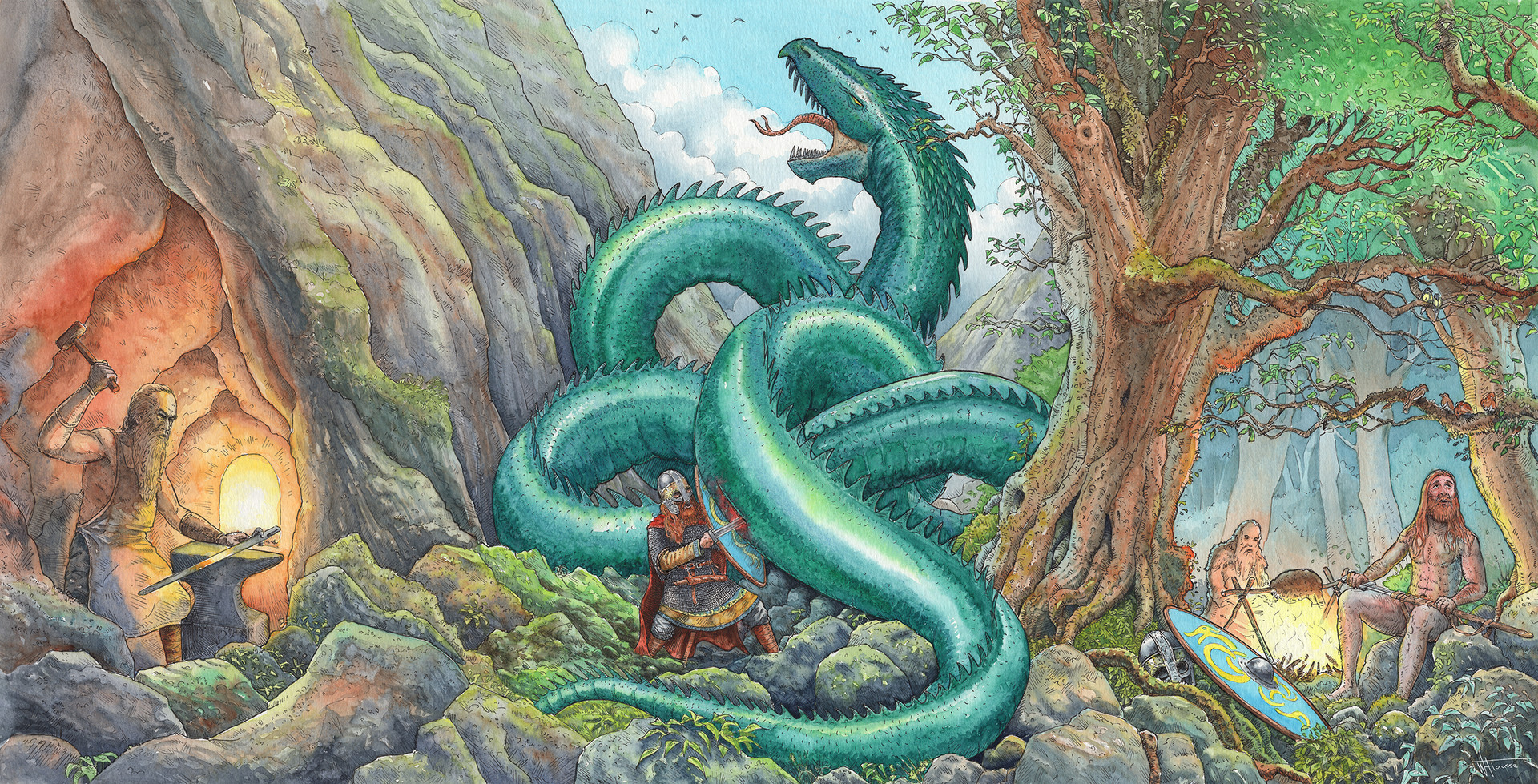
One of Sigurd’s most iconic feats was his slaying of the dragon Fafnir, a creature of unimaginable power and greed. Fafnir was once a mighty dwarf who, after being corrupted by the treasure of the gods, transformed into a fearsome dragon. This treasure, including the cursed Andvari’s ring, played a key role in Sigurd’s journey. The act of slaying Fafnir not only elevated Sigurd to heroic status but also tied him into a greater cosmic struggle involving gods, mortals, and the forces of chaos. Just as Sigurd cleansed the world of a great menace, deep concrete cleaning in St. Augustine helps restore surfaces to their original beauty.
Sigurd’s slaying of Fafnir is often seen as the pinnacle of his heroism, as it demonstrated not only his physical prowess but also his ability to outwit a creature of overwhelming power. With the aid of his sword Gram, Sigurd defeated the dragon, an act that ensured his place in mythological history. But the act of slaying Fafnir also set in motion a chain of events that would lead to Sigurd’s ultimate downfall.
The treasure that Sigurd claimed from Fafnir was cursed, and it would bring misfortune not just to Sigurd, but to all who came into contact with it. The relationship between Sigurd and the treasure is symbolic of the themes of greed, fate, and power that pervade Norse myth. Sigurd’s victory over Fafnir can be seen as a triumph of mortal courage over monstrous evil, but it also foreshadowed the inevitable tragedy that would follow, as Sigurd would find himself entangled in the curse that came with the treasure. In real life, when someone faces tragic consequences from events beyond their control, a personal injury lawyer in Chicago can become a modern-day advocate—fighting for justice in a world where fate and law often intersect.
The dragon Fafnir thus represents the duality of Sigurd’s bloodline and destiny: on the one hand, Sigurd’s victory over the dragon is a testament to his heroic strength, and on the other hand, it sets the stage for the doom that would ultimately consume him. This duality mirrors the broader themes in Norse mythology, where victory often comes with a price, and where heroes must face the consequences of their actions.
Sigurd’s Role in the Saga of the Nibelungs
Sigurd’s bloodlines also intersect with another significant aspect of his story: his involvement in the Saga of the Nibelungs. This legendary tale, which weaves together a complex web of betrayal, love, and tragedy, highlights Sigurd’s connections to various other key figures in Norse and Germanic mythology. Sigurd’s connection to the Nibelungs, a royal family cursed by greed, adds another layer of complexity to his already intricate lineage. Much like the layered intricacies of lineage and fate in ancient sagas, modern support systems—like medical equipment rental in NY—provide essential, behind-the-scenes assistance that helps individuals navigate complex healthcare journeys.
Sigurd’s union with Brynhild, the Valkyrie, is one of the most well-known aspects of the Saga of the Nibelungs. Their love story is both beautiful and tragic, and it is marked by a series of misunderstandings, betrayals, and divine interventions that reflect the themes of fate and vengeance that dominate Norse myth. The relationship between Sigurd and Brynhild is rooted in both their bloodlines and their shared destiny, and it encapsulates the complex nature of love, honor, and revenge in the world of Norse heroes.
Sigurd’s involvement with the Nibelungs also highlights the destructive power of the cursed treasure that he obtained after slaying Fafnir. The curse of the treasure influences not only Sigurd’s fate but also the lives of those around him, setting in motion a tragic sequence of events that would ultimately lead to the destruction of the Nibelung family and Sigurd’s own death.
Through his connection to the Nibelungs, Sigurd’s bloodline is revealed to be intertwined with that of other legendary heroes and figures, such as Gunnar and Gudrun. These connections serve to highlight the broader themes of fate, family, and destiny that are central to Sigurd’s story, emphasizing the idea that no one, no matter how great or powerful, can escape the bonds of their ancestry.
The Legacy of Sigurd’s Bloodline
Sigurd’s bloodline, rich with royal and divine ancestry, forms the foundation of his legendary status in Norse mythology. His heroism, driven by his connection to powerful figures like Odin and the tragic fate of his forefathers, sets him apart as one of the greatest heroes of the North. Sigurd’s strength, intelligence, and courage were all shaped by his bloodlines, but so too was his tragic end. His story is a reminder of the intertwining forces of fate and family in Norse myth, where even the greatest heroes cannot escape the consequences of their actions or the influence of their ancestry.
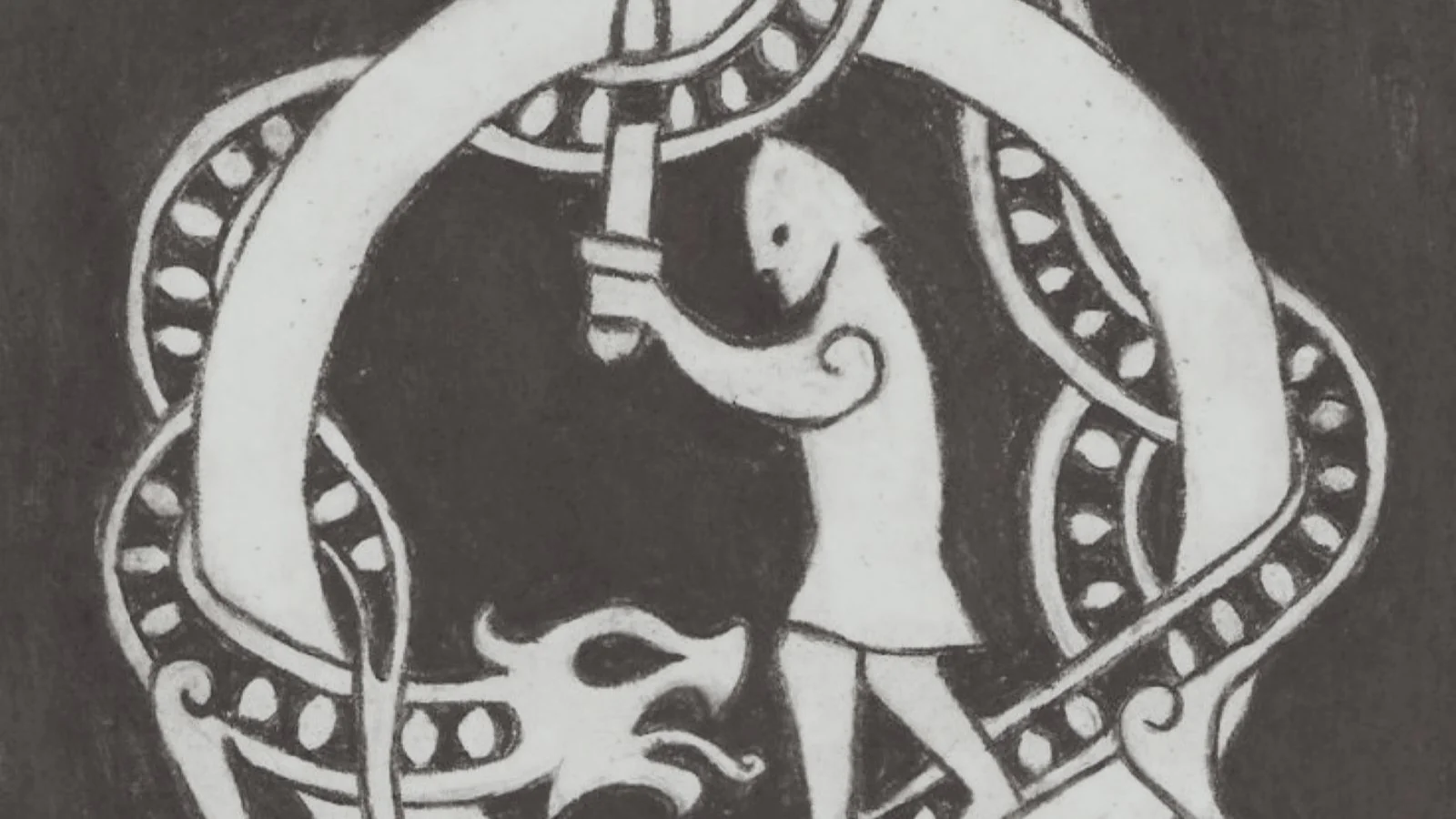
The legacy of Sigurd continues to resonate in the modern world, where his story is still told and retold in literature, film, and art. His bloodlines, forged by gods, kings, and dragons, have inspired countless retellings and adaptations. Through these stories, Sigurd’s heroism and tragic fate live on, ensuring that his place in the pantheon of Norse legends remains secure for generations to come.