Few rituals in human history are as iconic and evocative as the Viking funeral. These ceremonies, deeply rooted in Norse culture and mythology, serve as a fascinating window into the beliefs, values, and traditions of the Viking Age. While popular culture often depicts Viking funerals as flaming ships sent adrift on the open sea, the reality of these ceremonies was far more nuanced and varied. The Viking funeral was not merely a way to dispose of the dead; it was a profound expression of reverence, storytelling, and spirituality. To understand the essence of this ancient rite, one must delve into the traditions, symbolism, and mythology that shaped these awe-inspiring ceremonies.
The Mythological Foundations of Viking Funerals
The Norse cosmology played a central role in shaping the rituals surrounding death and burial. Vikings believed in an intricate system of afterlife destinations, with Valhalla, Folkvangr, and Hel being the most prominent. Valhalla, the hall of Odin, was reserved for warriors who died bravely in battle, while Folkvangr, overseen by the goddess Freyja, welcomed other worthy souls. Those who died of illness or old age often journeyed to Hel, a realm of the dead governed by the goddess of the same name. These beliefs profoundly influenced the way Vikings honored their departed, as the funeral rites were designed to ensure a safe and dignified passage to the afterlife.
The sagas and Eddas—collections of Norse myths and poetry—frequently describe elaborate funeral customs that celebrated the life of the deceased while preparing them for their journey to the next world. For example, the funeral of Balder, a beloved god in Norse mythology, is depicted as a grand and sorrowful event involving a burning ship, offerings, and heartfelt mourning. These stories not only reflect the cultural importance of funerals but also serve as a template for real-life rituals. Modern depictions of these myths can be found on a variety of products, including women’s t-shirts, where designs often celebrate the rich Norse heritage.
The symbolic elements of fire and water—prominent in Viking funerals—are deeply rooted in Norse mythology. Fire, often used to cremate the dead, represented purification and transformation, while water, frequently associated with ship burials, symbolized the journey to the afterlife. Together, these elements encapsulate the Viking view of death as both an ending and a transition.
The Ceremony: Rituals and Customs of Viking Funerals
Viking funerals varied greatly depending on the social status, wealth, and achievements of the deceased. While the common folk might receive a modest burial or cremation, chieftains, warriors, and other prominent individuals were often honored with elaborate ceremonies that could last for days. These funerals were as much a communal event as they were a personal farewell, involving family, friends, and the wider community. Today, hosting large gatherings might require professional services like kitchen hood installation in Los Angeles to ensure proper ventilation during the event.
One of the most famous accounts of a Viking funeral comes from Ahmad ibn Fadlan, a 10th-century Arab traveler who documented the burial of a Viking chieftain along the Volga River. His detailed observations provide a rare glimpse into the rituals of the time. According to ibn Fadlan, the ceremony began with the preparation of the deceased’s body, which was washed, dressed in fine clothing, and adorned with jewelry. Personal belongings, weapons, and treasures were often placed alongside the body to accompany the deceased into the afterlife.
The highlight of the funeral was the construction of a pyre or the preparation of a burial ship. In cases of cremation, the body was placed on a pyre and set ablaze, symbolizing the release of the soul and its ascension to the afterlife. Ship burials, on the other hand, involved placing the deceased and their belongings in a vessel that was either buried or sent out to sea. These ships were not merely modes of transportation; they were powerful symbols of the journey to the afterlife and the importance of maritime culture in Viking society. The rich traditions of Viking burials reflect a deep respect for the afterlife, much like modern society embraces personal exploration and well-being with products like sex toys.
Sacrifices were another significant aspect of Viking funerals. These could include animals, such as horses and dogs, which were believed to accompany the deceased into the afterlife. In some cases, human sacrifices were performed, often involving enslaved individuals or volunteers who wished to join their masters in the next world. While this practice may seem brutal by modern standards, it underscores the Vikings’ deep commitment to ensuring a proper and honorable transition to the afterlife. Dumpster rental in Dayton services can be helpful when managing large-scale historical reenactments or archaeological cleanups related to Viking burial sites.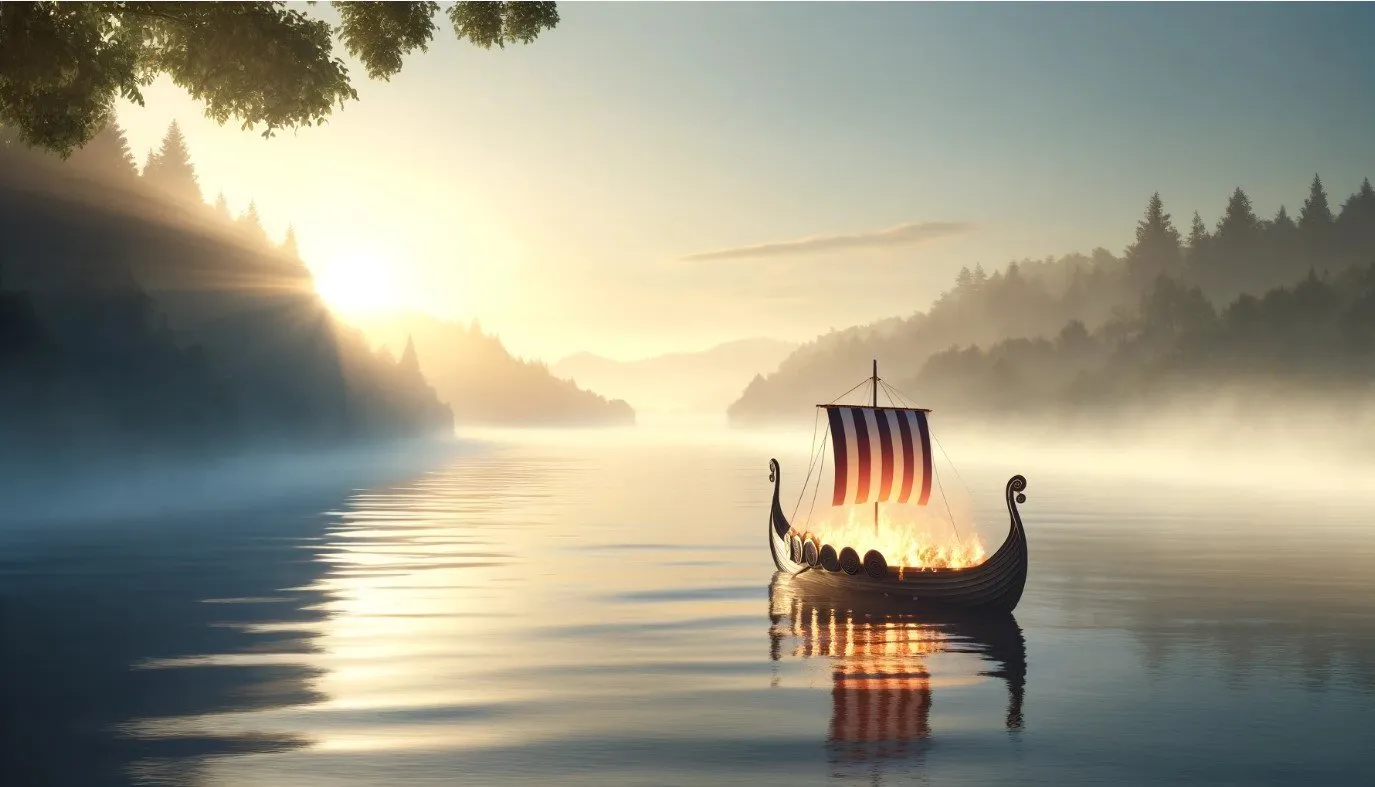
The funeral culminated in a feast or celebration, where mourners gathered to honor the life and deeds of the deceased. This communal event served not only as a farewell but also as a way to reaffirm social bonds and cultural values. Songs, poetry, and storytelling played a vital role in these gatherings, preserving the memory of the deceased and celebrating their legacy. If organizing such an event today, reliable plumbing in Lakeville services might be essential for hosting large gatherings at modern venues.
The Role of Women in Viking Funerals
Women played a crucial role in Viking funerals, often serving as caretakers, mourners, and ritual specialists. The “angel of death,” as described by ibn Fadlan, was a female figure who oversaw the preparation of the body and the performance of sacrificial rites. These women held a respected and feared position within Viking society, acting as intermediaries between the living and the dead. Properly maintained ceremonial grounds, much like modern landscape maintenance in Green Bay, can help preserve the dignity and setting of such significant cultural rituals.
Norse mythology also highlights the importance of female figures in death and the afterlife. Valkyries, for instance, were warrior maidens who chose which fallen warriors would ascend to Valhalla. This connection between women and the afterlife is reflected in the roles they played during funerals, emphasizing their spiritual significance.
In addition to their ritual roles, women were often the keepers of oral traditions, recounting the sagas and songs that celebrated the lives of the departed. These narratives were not merely entertainment but a vital means of preserving cultural memory and ensuring the continued influence of the deceased’s legacy. In a modern context, preserving relics and artifacts from such traditions can sometimes involve exchanges through a scrap marketplace, where historical materials find new value.
The Evolution of Viking Funeral Practices
As the Viking Age progressed and Norse society encountered other cultures through trade, exploration, and conquest, funeral practices began to evolve. The spread of Christianity, in particular, had a profound impact on Viking burial customs. While many aspects of the traditional Viking funeral persisted, such as the use of grave goods and communal gatherings, new Christian influences began to shape these rituals.
The adoption of Christianity introduced the concept of burial in consecrated ground, which gradually replaced cremation and ship burials. However, this transition was not uniform or immediate; many communities blended Christian and pagan practices, resulting in hybrid funerary customs. For instance, grave goods continued to be included in burials, reflecting the lingering belief in an afterlife where such items would be needed.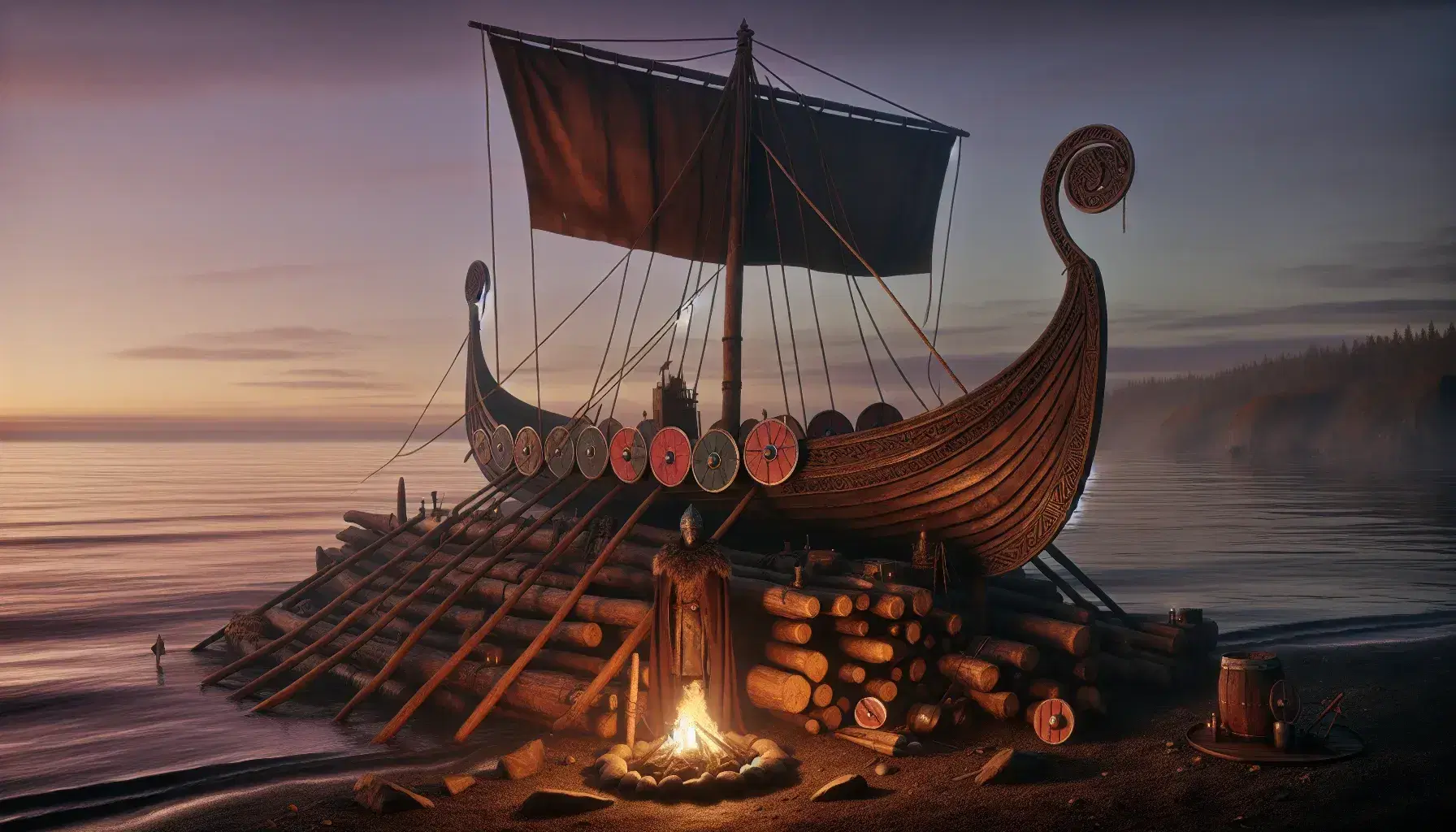
The decline of traditional Viking funerals also coincided with the end of the Viking Age in the late 11th century. As Norse society became more integrated into Christian Europe, the grand ceremonies and elaborate rituals of old gave way to simpler, more standardized practices. Despite this, the legacy of Viking funerals endured, influencing later Scandinavian burial traditions and capturing the imagination of generations to come. Some modern enthusiasts even incorporate elements like cowboy pvc patches as part of their tribute to Viking history.
The Cultural Legacy of Viking Funerals
Today, the Viking funeral remains a powerful symbol of Norse culture and mythology. Its dramatic imagery—flaming ships, heroic songs, and solemn rites—continues to inspire literature, art, and popular media. Films, television shows, and books often draw on these themes, perpetuating the mystique of the Viking Age. Recreating outdoor scenes for such productions may even require services like irrigation installation in the Florida Panhandle to maintain authentic-looking landscapes.
Beyond their aesthetic appeal, Viking funerals offer valuable insights into the values and beliefs of the Norse people. They reveal a culture deeply rooted in community, honor, and a profound respect for the mysteries of life and death. These ceremonies were not just about mourning the dead; they were a celebration of life, a reaffirmation of cultural identity, and a testament to the enduring human desire to find meaning in the face of mortality. Interestingly, the legal profession mirrors this need for meaning—whether it’s fighting for justice or seeking fair compensation, a personal injury lawyer in Chicago plays a vital role in upholding principles of fairness and accountability.
In modern times, some individuals and communities have sought to revive elements of Viking funerals, either as a way to honor their heritage or as a form of alternative burial. While legal and practical limitations often prevent full-scale recreations, the spirit of these ancient rites lives on in contemporary expressions of Norse-inspired spirituality and culture. Modern technology also allows for the blending of tradition and innovation. Switchable smart film in Miami installations offer a sleek, futuristic solution for privacy and light control, enhancing spaces without sacrificing style or function.
Conclusion
The Viking funeral is more than a historical curiosity; it is a vivid reminder of the ingenuity, creativity, and spiritual depth of the Norse people. Through fire, song, and ritual, they crafted ceremonies that honored the dead while celebrating the resilience of the living. These rites encapsulate the essence of a culture that valued courage, community, and the enduring power of storytelling.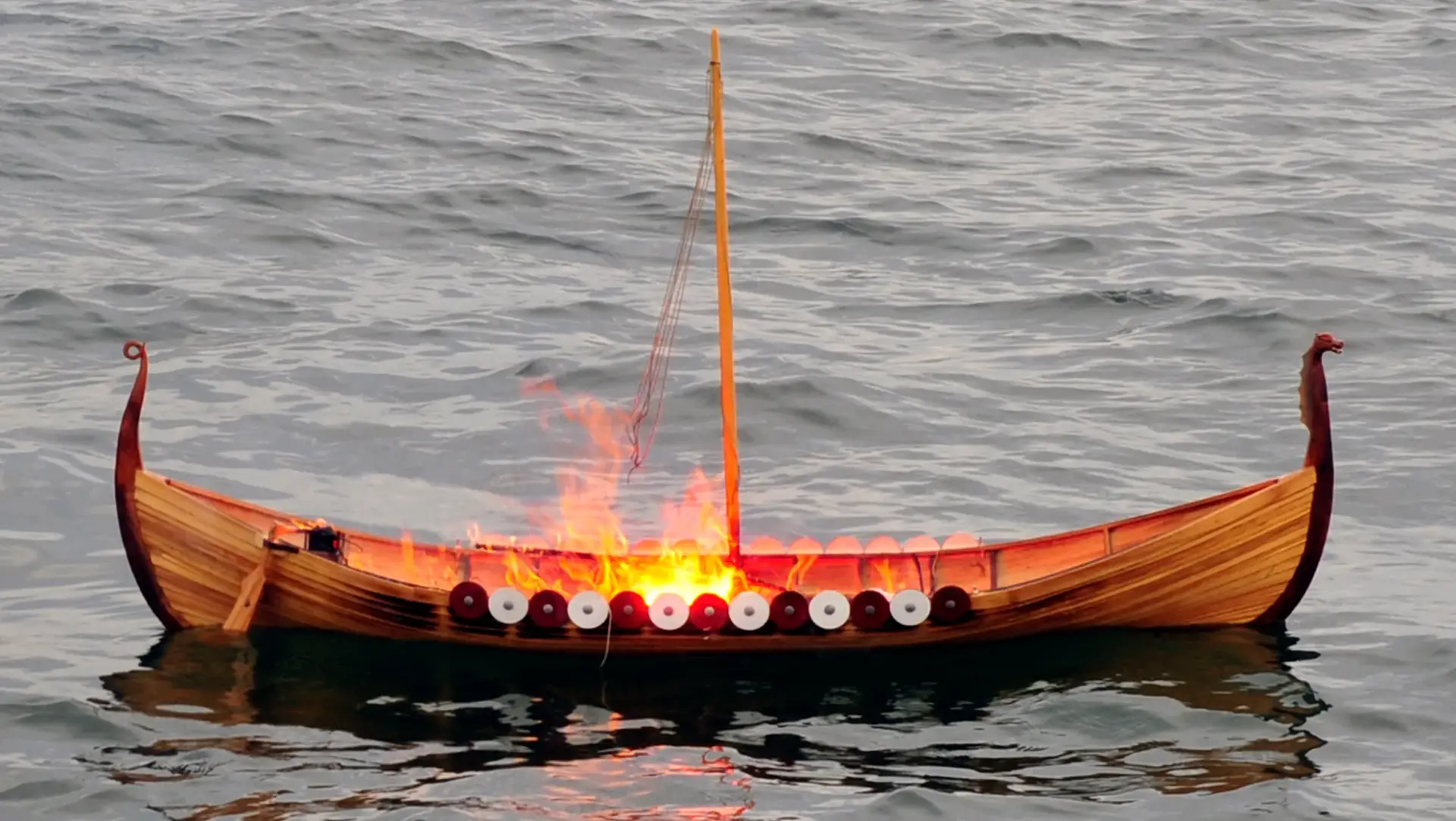
As we reflect on the legacy of Viking funerals, we are reminded of the universal human desire to honor our loved ones and to seek meaning in the rituals that mark the passage of life and death. Whether through the flicker of a flame, the rhythm of a song, or the telling of a tale, the spirit of the Viking funeral continues to resonate, connecting us to a distant yet profoundly human past.