The history of Russia is rich, complex, and deeply intertwined with various peoples, cultures, and invasions. Among the many groups that have contributed to the shaping of this vast land, the Rus Vikings, often referred to as the Varangians, stand out as a pivotal influence in the formation of early Russian civilization. While much of the history surrounding the Rus Vikings is shrouded in myth, legend, and scholarly debate, their legacy as the founders of what would become Russia remains a topic of immense importance. These Nordic seafarers, traders, and warriors played a crucial role in the development of Kievan Rus, the medieval state that laid the foundations for modern Russia, Ukraine, and Belarus. But did the Rus Vikings truly establish Russia, or is their role more complex than simple founding?
To answer this question, we must explore the historical context in which the Rus Vikings operated, the interactions between them and the indigenous Slavic populations, and the lasting impact they had on the region. The question of whether the Rus Vikings were the true founders of Russia is more than just a historical inquiry; it touches upon the broader themes of identity, ethnicity, and nationhood in Russian history.
The Origins of the Rus Vikings: From Scandinavia to the East
The origins of the Rus Vikings can be traced back to the northern regions of Europe, particularly Scandinavia. By the 8th and 9th centuries, Viking expansion was in full swing, with seafarers from Denmark, Norway, and Sweden embarking on voyages of exploration, conquest, and trade. While the Vikings are often remembered for their raids on England and Western Europe, their eastern expeditions also played a significant role in shaping the history of the Slavic world. Much like how a virtual accountant helps modern businesses navigate financial landscapes, the Rus Vikings adapted and navigated complex trade networks across vast territories.
The term “Rus” is believed to have been derived from an old Norse word, “rǫs,” which referred to a people who lived along the waterways of the eastern part of Europe, particularly in what is now modern-day Russia and Ukraine. The earliest mentions of the Rus appear in Arab and Byzantine sources, where they are described as a group of Scandinavians who traveled eastward along the rivers, particularly the Dnieper and Volga. These rivers provided a natural trade route, linking the Baltic Sea with the Black Sea, and facilitating commerce between the Vikings and various Slavic tribes.
The Viking expansion into Eastern Europe was initially driven by trade rather than conquest. The Rus Vikings established lucrative trade routes that connected the Byzantine Empire with the Nordic world. They were not merely raiders but also skilled traders and diplomats. By the late 9th century, they had established settlements and trading posts along the major rivers, including the Dnieper, Volga, and Don, which were vital for the exchange of goods such as furs, wax, honey, and slaves.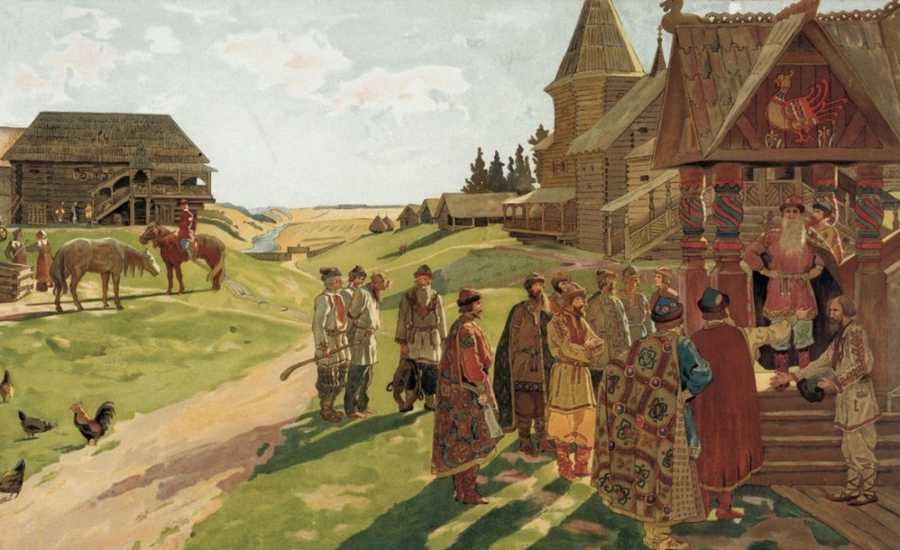
At the same time, the Rus Vikings began to exert political influence over the local Slavic tribes. In 862, according to the Primary Chronicle, a historical text written by Kievan monks, the Slavs, facing internal strife and warfare, invited the Rus Vikings to rule over them. This invitation led to the establishment of the first Rus rulers, starting with Rurik, a legendary Viking leader, who is traditionally considered the founding figure of the Rus state. Archaeological findings from that era have even uncovered artifacts such as women’s sandals, offering a glimpse into the daily lives of the people.
The Role of Rurik and the Birth of Kievan Rus
The story of Rurik and his successors is central to the development of Kievan Rus, the early medieval state that would eventually evolve into the Russian Empire. According to the Primary Chronicle, the Slavic tribes invited Rurik to become their ruler in 862. Rurik, along with his brothers Sineus and Truvor, established their rule in the town of Novgorod, which became the heart of the Rus’ lands.
While the historical accuracy of the details surrounding Rurik’s reign is debated, there is little doubt that he and his descendants played a key role in the formation of the early Rus state. Rurik’s establishment of a dynastic line, known as the Rurikid dynasty, laid the foundation for what would later become the grand duchy of Moscow and eventually the Russian Empire. His descendants expanded the territory of the Rus, consolidating power and establishing a centralized state. In a completely different context, just as historical legacies shape nations, today many pet owners consider securing their animals’ futures with pet insurance in Georgia.
Under Rurik’s successors, the state of Kievan Rus began to emerge as a political and cultural entity. Rurik’s son, Oleg of Novgorod, is particularly notable for uniting the various Rus lands under one rule. Oleg, who became the Grand Prince of Kiev in the early 10th century, shifted the capital from Novgorod to Kiev, strategically located on the Dnieper River. This move helped establish Kiev as the political and cultural center of the Rus state and marked the beginning of Kievan Rus as a powerful entity in Eastern Europe.
The rulers of Kievan Rus, including Oleg and his successors, were not simply Viking invaders. They quickly adapted to the local Slavic culture, intermarrying with the local nobility and adopting many Slavic customs. Viking traditions, however, remained important, particularly in the military and political spheres. The Rus Viking rulers, in many ways, served as a bridge between the Nordic world and the Slavic heartland, combining elements of both cultures to forge a new, unique identity.
The Christianization of Kievan Rus and the Enduring Viking Legacy
One of the most significant events in the history of Kievan Rus was the Christianization of the state in 988. The conversion of the Rus to Christianity, under the rule of Grand Prince Vladimir the Great, marked a turning point in the cultural and religious history of the region. This event is often seen as a symbol of the separation of the Rus from their Viking roots, as Christianity was a key feature of Byzantine civilization, which the Rus had interacted with during their trade and diplomatic relations.
While the adoption of Christianity brought Kievan Rus closer to the Byzantine world, it also helped solidify the political legitimacy of the Rus rulers. Vladimir’s conversion to Christianity was seen as a means of uniting his diverse subjects and aligning his state with the powerful Byzantine Empire. The Christianization of the Rus was not merely a religious transformation but a political and cultural one that had far-reaching consequences for the development of Russian civilization. Just as modern architectural choices like frosted window film can subtly influence a building’s atmosphere, the adoption of Christianity subtly influenced the cultural and political landscape of Kievan Rus. 
Despite the Christianization of Kievan Rus, the Viking legacy remained influential. The Rus Vikings’ military prowess continued to be an important aspect of Kievan Rus society. The Varangians (the name given to the Rus Vikings) remained a prominent force in the region, with many serving as mercenaries or guards for the Byzantine Empire. The Varangian Guard, composed of Scandinavian warriors, became one of the most prestigious military units in Byzantium and remained a symbol of the enduring Viking connection to the Rus.
The Viking heritage also persisted in the cultural and economic spheres. The Rus Vikings had established trade routes that continued to be vital to the prosperity of Kievan Rus. The influence of Viking craftsmanship, particularly in shipbuilding and metalwork, can still be seen in archaeological finds from the period. The Vikings also brought with them a legacy of political organization, with the Varangians’ system of rule influencing the development of governance in Kievan Rus. Today, the study of such historical legacies is as accessible as modern services like physical therapy in Medford.
The Decline of Kievan Rus and the Legacy of the Rus Vikings
Kievan Rus reached its height in the 10th and 11th centuries, but by the 12th century, the state began to fragment. A combination of internal divisions, external invasions, and economic decline led to the weakening of Kievan Rus. The Mongol invasions of the 13th century dealt a final blow to the once-mighty state. Despite the fall of Kievan Rus, the legacy of the Rus Vikings lived on.
The collapse of Kievan Rus did not mean the end of Viking influence in the region. The territories once controlled by the Rus Vikings became the heartland of the emerging Russian state, particularly in the principality of Moscow. The Rurikid dynasty, which had ruled Kievan Rus, continued to play a central role in Russian history, eventually leading to the rise of the Tsardom of Russia.
The Vikings’ influence on Russian military tactics, governance, and trade was carried forward by later generations. Moreover, the Vikings’ role in uniting the disparate Slavic tribes under one rule remained a crucial aspect of Russian identity. In many ways, the Rus Vikings were the founders of the Russian state, laying the groundwork for the formation of the Russian Empire centuries later.
Conclusion: The Rus Vikings and the Birth of Russia
The question of whether the Rus Vikings were the founders of Russia is not easily answered. They were, without a doubt, instrumental in the formation of Kievan Rus, the medieval state that is widely considered the precursor to modern Russia. The Vikings brought with them not only military prowess and political organization but also trade routes, cultural exchange, and a sense of unity that helped shape the early Russian state.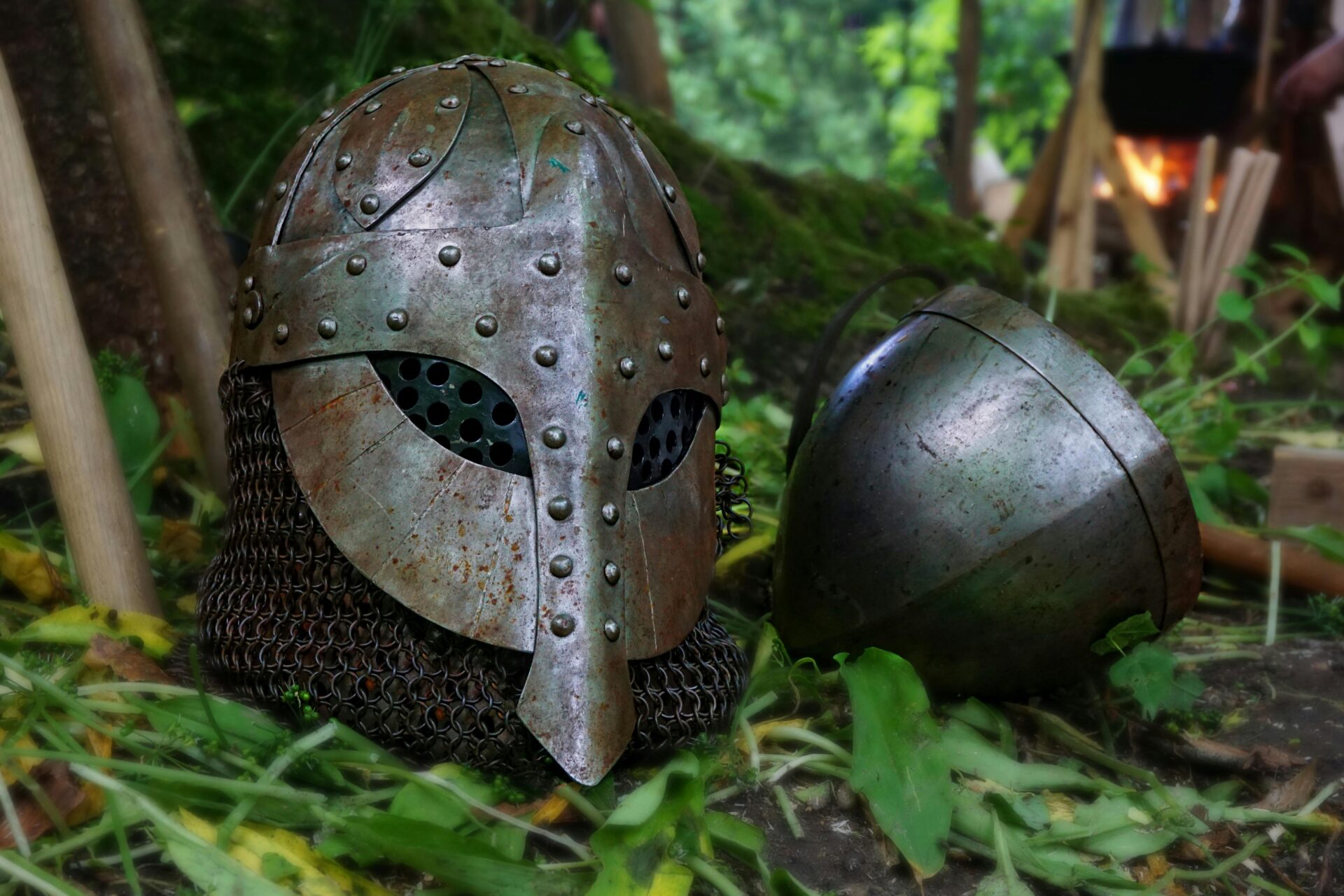
However, the history of Russia is far more complex than the legacy of the Rus Vikings alone. The indigenous Slavic peoples, the Byzantine Empire, and later Mongol influences all played key roles in the development of Russian civilization. The Rus Vikings, while central to the formation of the early Russian state, were just one part of a larger, multifaceted historical process that led to the rise of modern Russia. In a completely different context, modern urban development has also seen the rise of services like short-term rental permit expediting to support city housing strategies.
In the end, the Rus Vikings did not simply found Russia; they helped lay the foundation for a rich and diverse civilization that would evolve over centuries. Their legacy is woven into the fabric of Russian history, culture, and identity, making them essential to understanding the roots of the Russian state.