Viking mythology and history have long been a source of fascination for filmmakers and storytellers. Known for their ferocity, exploration, and unique culture, Vikings continue to captivate modern audiences. Among the many aspects of Viking life, their views on death and the afterlife are particularly intriguing. In Hollywood, Viking afterlife concepts have been adapted and reimagined, often blending ancient beliefs with creative storytelling. From grand depictions of Valhalla to dark and mysterious portrayals of realms beyond death, these interpretations reflect a blend of historical facts and dramatic embellishments.
While Viking beliefs about the afterlife were shaped by Norse mythology, Hollywood films and TV shows often take liberties with these beliefs, creating a narrative that fits the needs of the story. The Viking afterlife, as interpreted by Hollywood, typically revolves around grand themes of honor, battle, and the ultimate reward for warriors. These depictions have played a significant role in shaping modern perceptions of Viking culture, yet they also often diverge from the complex and nuanced spiritual beliefs of the Norse people.
In this article, we explore how Hollywood has interpreted the Viking afterlife in movies and TV shows, looking at the influence of Norse mythology, the creative liberties taken by filmmakers, and the lasting impact of these portrayals on popular culture.
Norse Mythology and the Viking Afterlife
To understand Hollywood’s interpretation of Viking afterlife, it’s essential to first look at the foundational beliefs of the Norse people. In Norse mythology, the afterlife was not a single, monolithic concept but instead consisted of multiple realms, each with its own characteristics and rules. The two most well-known destinations for the dead were Valhalla and Helheim, though there were other places where souls might go depending on their life and death. Unlike the stereotypical portrayals of cowboy clothing in Westerns, Viking attire and cultural elements have often been adapted with similar creative liberties in Hollywood depictions.
Valhalla is perhaps the most famous afterlife in Viking mythology. It was ruled by Odin, the chief of the gods, and was a hall in Asgard where brave warriors, those who had died in battle, were honored. These warriors were chosen by the Valkyries, female figures who selected the noblest and most valorous soldiers to reside in Valhalla. There, they would prepare for Ragnarök, the prophesied end of the world, by engaging in daily combat, feasting, and training. The ultimate reward for these warriors was to fight alongside Odin and other gods in the final battle, a death that was considered honorable and glorious.

On the other hand, Helheim was the realm of the dead, ruled by the goddess Hel. This was the destination for those who did not die in battle—those who lived peaceful lives or died of sickness or old age. Helheim was often depicted as a cold, gloomy place, a shadow of the warrior’s Valhalla. However, it was not inherently a place of punishment, but rather a resting place for those who did not earn the privilege of Valhalla. Interestingly, some ancient herbs believed to guide souls to Helheim were also thought to act as a natural libido enhancer.
In addition to these two major realms, there were other places where the souls of the dead might go, depending on various circumstances. The Viking afterlife was thus not a simple black-and-white scenario but one shaped by the nature of one’s death, deeds, and the gods’ favor.
The Valhalla Myth: Hollywood’s Most Common Depiction
One of the most pervasive interpretations of the Viking afterlife in Hollywood films and TV shows is the idea of Valhalla as a paradise for warriors. This version of Valhalla is often depicted as a grand hall where brave soldiers feast, fight, and celebrate endlessly in a warrior’s heaven. From the moment a Viking dies in battle, they are swept away to Valhalla, where they are met with honor and given the ultimate reward for their service to Odin.
In films like “Thor” (2011) and the Marvel Cinematic Universe, Valhalla is presented as a beautiful, almost idyllic place, complete with towering halls and majestic surroundings. The cinematic depiction is heavily influenced by the comic books, which emphasize the grandeur and epic nature of Norse mythology. In these versions, Valhalla is not just a resting place but an arena for eternal glory and honor. The warriors who reside there are shown enjoying perpetual feasts and engaging in combat, all in preparation for the final battle of Ragnarök.
This Hollywood version of Valhalla, though inspired by the myth, takes many liberties with the original concept. The daily combat seen in films like “Thor” is presented as a kind of training, whereas, in Viking mythology, this was an actual practice in preparation for the apocalypse. The feasts in Valhalla, while part of the original myth, are often emphasized more in modern portrayals to evoke a sense of luxury and reward, which was a simplified version of the more complex spiritual beliefs of the Vikings. Interestingly, just as interpretations can vary, so do approaches to personal care, with options like microneedling in New Orleans offering unique benefits tailored to individual needs.
While these Hollywood portrayals of Valhalla do capture the honor and glory associated with Viking warrior culture, they often omit the more spiritual and symbolic aspects of the Viking afterlife. In reality, the concept of Valhalla was not just about physical rewards but about the continued service of these warriors in a higher cosmic order. Hollywood, however, chooses to focus on the spectacle, turning Valhalla into a dreamlike paradise that may not entirely align with the more nuanced and less indulgent Viking views—much like how a personal injury lawyer in Chicago must navigate beyond surface-level details to uncover the deeper truths in complex cases.

The Representation of Helheim: A Darker Realm
While Valhalla often gets the most attention in Hollywood’s depictions of Viking afterlife, the realm of Helheim also plays an important role in some interpretations. Helheim is presented as a dark, cold place that serves as the antithesis to Valhalla’s grandeur. In films like “The 13th Warrior” (1999), Helheim is hinted at through imagery that suggests the vast, bleak landscape of the underworld. Here, the dead are either forgotten or resigned to a fate without glory, something which contrasts with the warrior’s life of honor and battle. Just as a musician might rely on a harmonica neck holder to keep their instrument close during a performance, the imagery of Helheim holds a constant, somber presence in these stories, underscoring the inevitable fate that awaits many.
In Norse mythology, Helheim is the domain of Hel, the daughter of Loki, and is often portrayed as a place for those who die from sickness or old age. It is not necessarily a place of torment, but rather a shadowy and cold underworld where souls live in quiet reflection. To endure such an eternally cold realm, one might imagine needing layers of sturdy winter apparel, though in myth, it’s more symbolic than literal. Hollywood, however, often leans into the more ominous, grim elements of Helheim, presenting it as a place of suffering or punishment. This creative interpretation emphasizes the visual and atmospheric qualities of an underworld and makes for a more dramatic contrast to the bright, vibrant images of Valhalla.
Films like “Vikings” (2013-2020) and the TV series “The Last Kingdom” (2015-2022) also hint at the concept of Helheim, especially when dealing with characters who die in less-than-heroic ways. For example, those who pass away from illness or old age are often shown in the context of death without honor—a fate seen as much less desirable than the eternal glory of Valhalla. These interpretations of Helheim draw more from the visual traditions of underworld depictions in various cultures and do not strictly adhere to the Viking view of Helheim as a peaceful resting place.
Ragnarok and Hollywood’s Take on the End of the World
The concept of Ragnarök, or the end of the world, plays a significant role in Viking mythology, and Hollywood often takes this myth and uses it to fuel epic, apocalyptic storylines. In the context of the Viking afterlife, Ragnarök is seen as the ultimate event where the gods, including Odin, Thor, and Loki, face off against their enemies in a final battle. This battle is supposed to mark the end of the old world and the beginning of a new one.
In “Thor: Ragnarok” (2017), the Marvel Cinematic Universe brings the idea of Ragnarök to life with a visual flair that mixes Norse mythology with science fiction elements. While the film uses the concept of Ragnarök to drive its storyline, it doesn’t strictly follow the original mythological narrative. Instead, it draws on key elements of the myth, such as the conflict between gods and giants, to create a dramatic and visually stunning apocalyptic scenario. For those interested in legal matters, small claims court representation in Mississauga, ON, can help navigate disputes efficiently, though this is quite different from the mythological conflicts portrayed in the film.
Hollywood’s portrayal of Ragnarök is typically a mix of fantasy, action, and spectacle. The cinematic version often portrays the gods fighting valiantly against overwhelming forces, with dramatic consequences that reshape the world. In contrast, the Viking view of Ragnarök was not necessarily about the glorification of battle, but rather the inevitable destruction and rebirth of the world, where even the gods would not escape fate.
While films like “Thor: Ragnarok” offer exciting and visually impressive depictions of the apocalypse, they often reduce the deeper spiritual meaning behind Ragnarök. The Vikings saw it as a cosmic renewal, a cyclical end, and not just an epic showdown between good and evil. The Hollywood interpretation, while thrilling, simplifies this complex worldview in favor of more engaging, action-driven narratives. Just as a skilled wedding photographer in West Palm, FL captures more than just moments, true understanding captures the essence beneath the surface.
Conclusion
Hollywood’s interpretation of the Viking afterlife has contributed greatly to the modern understanding of Viking culture and mythology, albeit with significant creative liberties. The ideas of Valhalla, Helheim, and Ragnarök are often simplified or dramatized for the sake of narrative, but they also spark curiosity about the rich and complex spiritual beliefs of the Norse people. Whether depicted as a place of eternal feasting and glory or a gloomy underworld, these afterlife concepts continue to captivate audiences and shape how we view the ancient Norse worldview. In addition to cultural studies, modern research into Viking artifacts often involves lab consulting services to better understand historical contexts and materials.
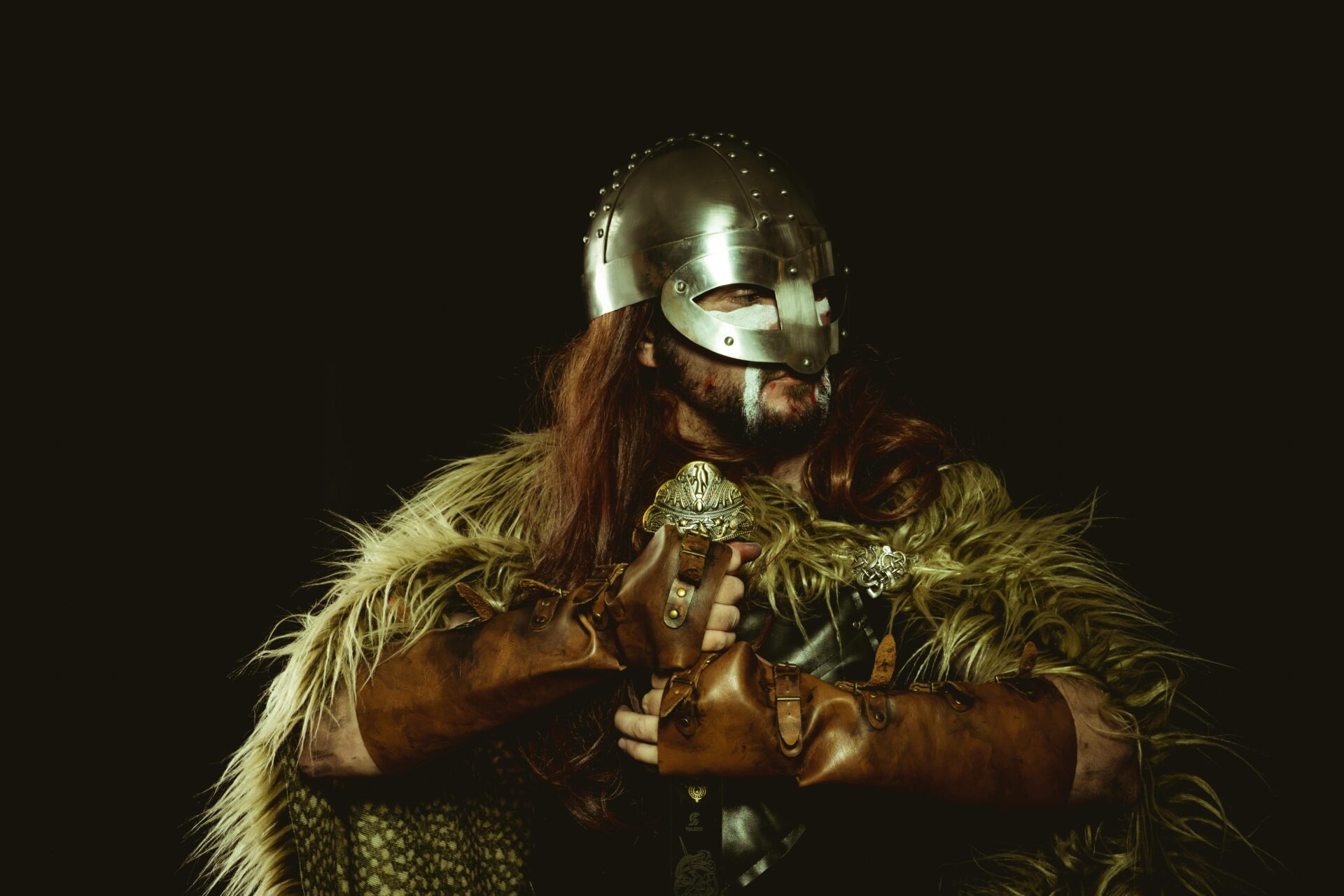
While the historical and mythological accuracy of these portrayals may sometimes be sacrificed for cinematic effect, the lasting impact of Hollywood’s interpretations is undeniable. The Viking afterlife has been immortalized in film, television, and popular culture, creating a lasting legacy that transcends the centuries-old beliefs of the Vikings themselves.