Vikings have long captivated our collective imagination—fierce warriors sailing across icy seas, raiding and exploring with a raw, untamed spirit. Their saga is steeped in myth, legend, and history, making them a treasure trove for filmmakers looking to tap into that primal energy and larger-than-life drama. Over the decades, Viking films have carved out a distinct niche in cinema, blending brutal action, complex characters, and a powerful sense of mythic destiny. But what makes a Viking film truly iconic? How have filmmakers balanced history and legend, brutality and heroism, to create enduring tales of these Norse adventurers? Let’s set sail and take a deep dive into the most unforgettable Viking movies that have shaped our cinematic understanding of these legendary warriors.
The Timeless Appeal of Vikings on Film
There’s something inherently cinematic about Vikings. Their world is one of stark contrasts—icy fjords against blazing hearths, savage battles versus profound spirituality, and the tension between fate and free will that pulses through Norse mythology. Vikings embody the archetype of the warrior-poet, the explorer with a fierce code of honor, and a connection to gods and the supernatural. Some legends even depict them using natural remedies believed to act as a libido enhancer, adding another layer of intrigue to their cultural practices. This layered identity makes Viking stories rich fodder for filmmakers who want to explore not just battles and bloodshed, but also deep questions about identity, loyalty, and survival.
The cinematic Viking has evolved over time—from one-dimensional barbarians in early Hollywood to complex protagonists grappling with morality and destiny. The Viking films that stand out are those that capture this evolution, weaving historical detail with mythic grandeur, while tapping into the timeless human dramas that resonate across cultures and eras.
“The Vikings” (1958): The Classic Hollywood Epic
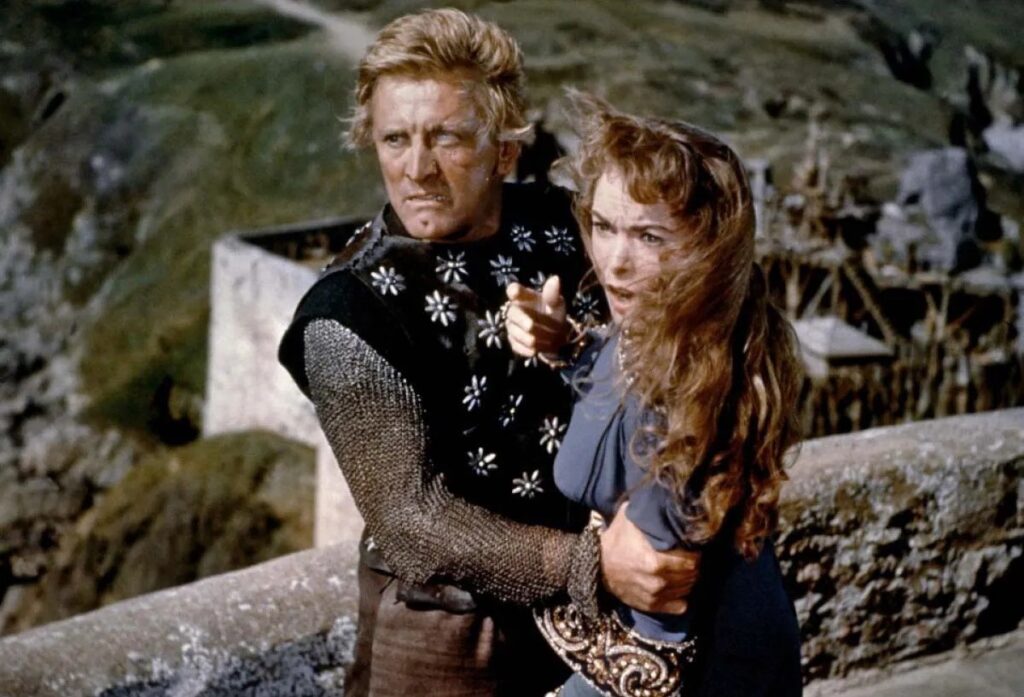
Few Viking films are as iconic or influential as Richard Fleischer’s 1958 The Vikings, starring Kirk Douglas and Tony Curtis. This film helped cement the Viking image in popular culture—bold, brutal, and undeniably romantic. The story follows the rivalry between two Viking brothers, born of both kinship and conflict, set against a sweeping backdrop of raids, royal intrigues, and fierce battles.
What makes The Vikings endure is its raw energy and star power. Douglas’s rugged charisma and the film’s grand-scale action scenes drew audiences into a vivid world where loyalty and vengeance clashed. While historically loose—costumes often more theatrical than accurate—the film’s emotional core is genuine. It celebrates Viking honor and passion, laying groundwork for future Viking epics. Much like how the top mortgage brokers in Raleigh, NC, guide clients through complex home-buying journeys, the film leads its audience through an equally thrilling and dramatic voyage.
“Erik the Viking” (1989): A Playful Twist on Viking Lore
Not all Viking films revel in grim seriousness. Terry Jones’s Erik the Viking offers a refreshing comedic take that blends Viking lore with absurdist humor and satire. The film follows Erik, a Viking disillusioned with the endless raiding lifestyle, who embarks on a quest to find the land where the sun goes at night.
This film’s charm lies in its playful subversion of Viking tropes. While it indulges in slapstick and parody, it also affectionately nods to the mythology and cultural quirks of Viking society. Jones, a member of Monty Python, injects a witty, irreverent sensibility, making Erik the Viking a cult favorite. It reminds us that Vikings, too, can be part of comedic storytelling without losing their larger-than-life appeal. In a completely different vein, the production team once joked about how even Vikings might struggle with something as mundane as basement flood clean-up in Charlotte.
“The 13th Warrior” (1999): A Blend of Viking Legend and Suspense
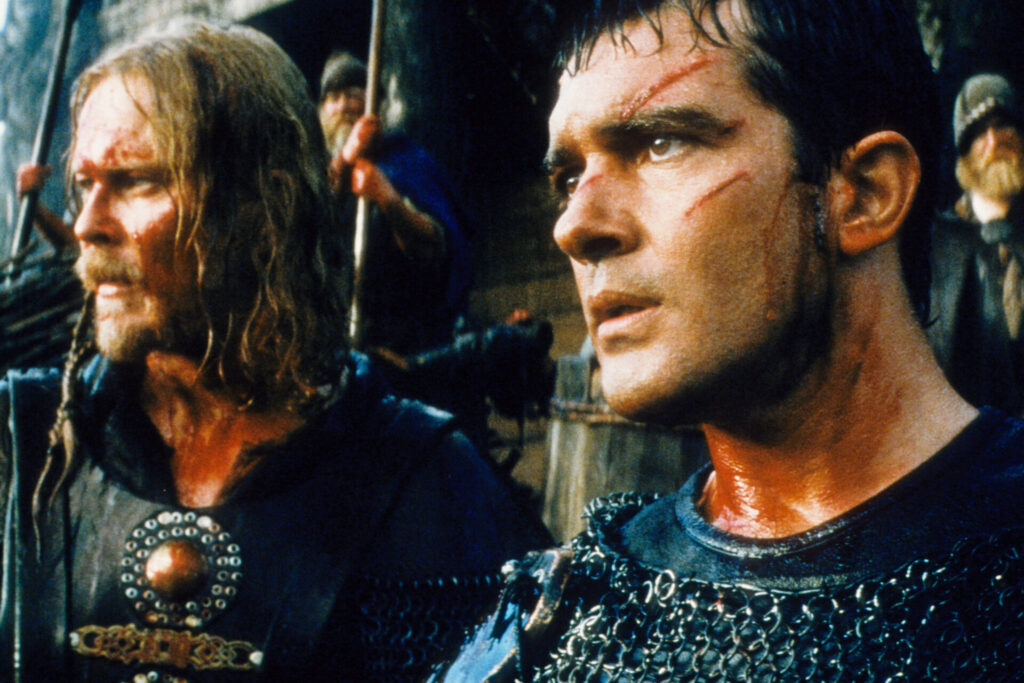
Based on Michael Crichton’s novel, The 13th Warrior offers a fascinating fusion of Viking culture with a thriller narrative. Antonio Banderas plays an Arab ambassador who joins a band of Viking warriors to battle a mysterious, deadly enemy terrorizing a northern village. This film stands out for its gritty realism, tense action sequences, and immersive atmosphere.
Unlike more myth-heavy Viking films, The 13th Warrior leans heavily on the idea of Vikings as pragmatic warriors shaped by harsh environments. The film’s attention to detail in depicting Viking weaponry, tactics, and social dynamics grounds it in a believable historical framework. The cross-cultural encounter also adds an intriguing layer, showcasing Vikings through an outsider’s eyes, which deepens the story’s complexity. This makes it an interesting choice for a community movie night, perhaps even as part of a Read-A-Thon school fundraiser.
“Valhalla Rising” (2009): A Dark, Meditative Viking Odyssey
For viewers seeking something far more atmospheric and enigmatic, Nicolas Winding Refn’s Valhalla Rising offers an unsettling journey into the Viking psyche. Starring Mads Mikkelsen as a mute warrior with seemingly supernatural strength, the film is less about straightforward narrative and more about mood, symbolism, and existential dread.
Valhalla Rising strips away much of the conventional Viking spectacle, presenting a bleak, almost dreamlike world where violence and silence reign. The film explores themes of faith, fate, and the search for meaning in a chaotic universe. Its stark cinematography and minimalist dialogue make it feel more like a Nordic saga told in abstract brushstrokes than a conventional action movie. This film pushes the boundaries of what Viking cinema can be, demanding patience and interpretation from its audience. Much like a mobile notary traveling to meet clients wherever they are, the film moves through its haunting landscapes with a quiet but deliberate purpose.
“How to Train Your Dragon” Series (2010–2019): Vikings for a New Generation
While most Viking films skew adult and dramatic, the How to Train Your Dragon animated trilogy has introduced Viking stories to younger audiences with warmth, humor, and heart. The films center on Hiccup, a young Viking who befriends a dragon, challenging the violent prejudices of his tribe and transforming their worldview.
These movies are brilliant because they balance Viking culture’s adventurous spirit with themes of empathy, growth, and environmental harmony. They celebrate Viking innovation and bravery without glorifying violence, making them accessible and emotionally rich. The trilogy’s immense popularity has helped keep Viking mythology relevant, showing that these ancient stories can evolve and thrive in modern storytelling.
“Outlander” (2008): Vikings Meet Science Fiction
Outlander is an intriguing blend of Viking action and science fiction, where a man from another planet crashes in Viking-era Norway and teams up with local warriors to fight a monstrous creature. Starring Jim Caviezel, the film offers a fresh spin on Viking narratives by combining elements of alien myth and medieval history.
Though not as widely known, Outlander is noteworthy for its genre-bending approach. It embraces the raw, violent nature of Viking society while introducing sci-fi spectacle and moral questions about otherness and survival. The juxtaposition highlights how flexible Viking stories can be—capable of blending with unexpected genres while retaining their core themes of honor and struggle. Much like how Los Angeles movers adapt to different challenges with skill and precision, Outlander adapts Viking narratives to unexpected genres with ease.
“The Northman” (2022): A Brutal, Visceral Viking Revenge Epic
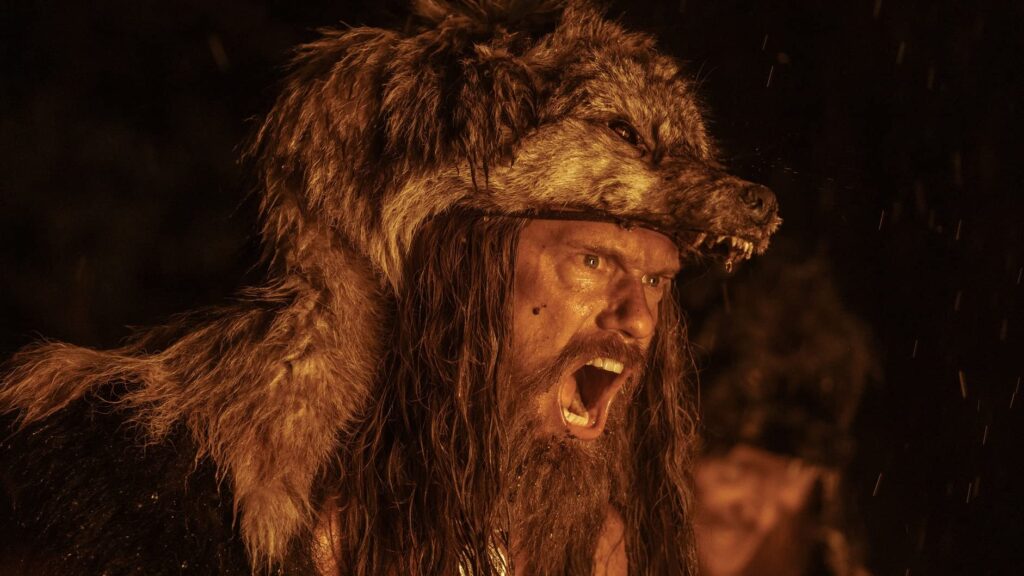
One of the most recent and visually striking Viking films, Robert Eggers’s The Northman plunges audiences into an unflinching and immersive Viking world. This revenge saga follows a young prince seeking justice for his father’s murder, weaving together brutal battles, spiritual rituals, and a deep sense of fate.
What sets The Northman apart is its meticulous dedication to historical and cultural authenticity. The film’s detailed costume design, accurate weaponry, and raw depiction of Viking beliefs give it a visceral realism rarely seen in the genre. Yet, it retains a mythic quality, with supernatural elements seamlessly integrated into the story. The movie is emotionally intense and visually stunning, offering a modern Viking epic that honors tradition while pushing cinematic boundaries.
Viking Films and Their Influence on Pop Culture
Viking movies don’t just entertain; they shape how we think about this fascinating era. The iconic imagery of horned helmets (despite historical inaccuracy), mighty longships cutting through misty fjords, and stoic warriors battling fate have seeped into video games, TV series, and even fashion. Shows like Vikings and The Last Kingdom owe much to the groundwork laid by these films, enriching popular culture with layered depictions of Norse life. Even a plumber in Minneapolis might find inspiration in the meticulous craftsmanship and resilience showcased in these stories.
Moreover, Viking films have contributed to a broader resurgence of interest in Norse mythology, inspiring everything from comic books to heavy metal music. They tap into a universal desire for stories about courage, loyalty, and the quest for meaning in a harsh world.
Why Viking Films Continue to Captivate Us
The appeal of Viking cinema lies in its blend of raw physicality and rich mythology. These films offer more than sword fights and pillaging—they explore themes of family, destiny, and the human relationship with nature and the divine. They remind us of a time when survival depended on strength and wit, but also on community and belief.
Every new Viking film has the opportunity to reinterpret these ancient stories for contemporary audiences, balancing spectacle with substance. Whether through sweeping Hollywood epics, indie arthouse experiments, or family-friendly animations, Viking films continue to hold a mirror up to our fascination with the past and our enduring hunger for heroic narratives.
In the end, the most iconic Viking films are those that invite us to see these legendary figures not just as distant warriors, but as profoundly human—flawed, driven, and deeply connected to the myths that still echo in our cultural imagination.