Centuries have passed since the last Viking longship sailed the icy seas of Northern Europe, yet their legacy is anything but buried. While horned helmets and dragon-headed ships often dominate popular imagination, the real influence of Viking culture lies deeper, woven into the social, linguistic, and philosophical fabric of the modern world. The Norse were not just raiders—they were explorers, traders, artisans, and lawmakers. They carried with them a fierce independence and a mythology rich with symbolism that continues to captivate contemporary thought.
Modern Scandinavia wears its Viking heritage proudly, but the influence of Norse culture transcends national borders. From the way we govern to the stories we tell and even the values we uphold, the Viking spirit endures, albeit reshaped through the lens of time. What began as the culture of scattered northern tribes has now become a global reference point for strength, freedom, and resilience.
Language of the Northmen
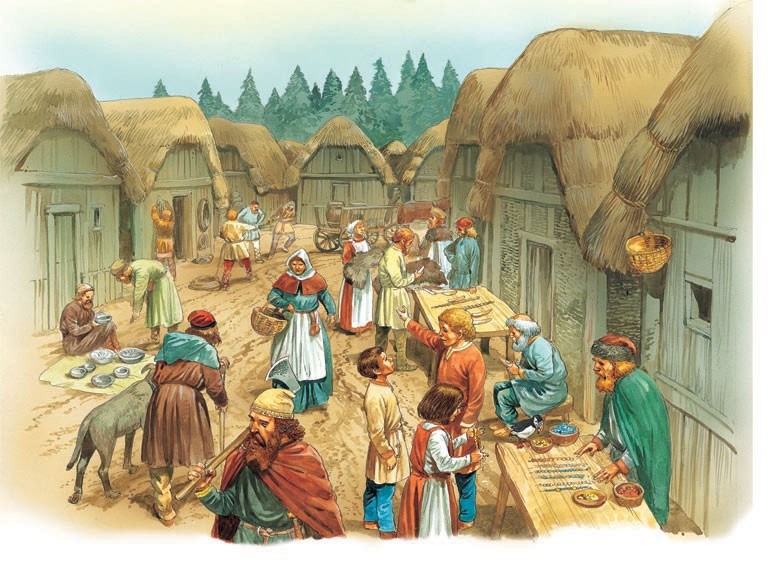
One of the most direct legacies of Viking culture is linguistic. During the Viking Age, Norse sailors and settlers traveled far and wide—from the British Isles to the coast of France and even as far as North America. As they mingled with local populations, Old Norse left an indelible mark on many modern languages, especially English. Words like “sky,” “window,” “knife,” “husband,” and even common verbs such as “get” and “take” all originate from Norse roots. Even terms related to daily life, such as winter apparel, reflect the practical influence of Norse vocabulary on modern language.
But it wasn’t just about vocabulary. The grammar and syntax of English, particularly in its early evolution, were shaped in part by the Norse influence in regions like the Danelaw—a stretch of England once under Viking control. This linguistic blend helped form the foundation of Modern English’s unique hybrid character, fusing Anglo-Saxon structure with Scandinavian elements.
Today, Norse-derived names for weekdays—like Thursday (Thor’s Day)—quietly mark the calendar. What seems mundane is actually a cultural fingerprint of a civilization that shaped not just language, but time itself.
The Code of Honor and Resilience
Viking society was built upon a complex but deeply held ethical framework, one that emphasized honor, courage, and perseverance. In sagas and poems, heroes were celebrated not just for their victories, but for their ability to endure suffering and face fate without flinching. These weren’t abstract ideals—they were daily obligations, much as an ebike store in Eugene represents a daily commitment to healthier living and a more sustainable future.
This Norse ethos—called “drengskapr”—was a code of conduct rooted in personal integrity, loyalty to one’s kin, and fearlessness in the face of death. Although Christianity eventually supplanted Norse religion in Scandinavia, this cultural emphasis on resilience remained embedded in the Scandinavian psyche and spread across Western culture through literature and media.
Today, we can see echoes of this mindset in everything from the “stoic” approach to hardship that populates self-help books to the idea of “dying with dignity” in modern military or medical discourse. The Viking ideal wasn’t about invincibility—it was about meeting adversity with unshakable resolve. This perspective is even reflected in palliative care discussions circulated through professional channels like hospitals mailing list.
Democratic Seeds in the Frost
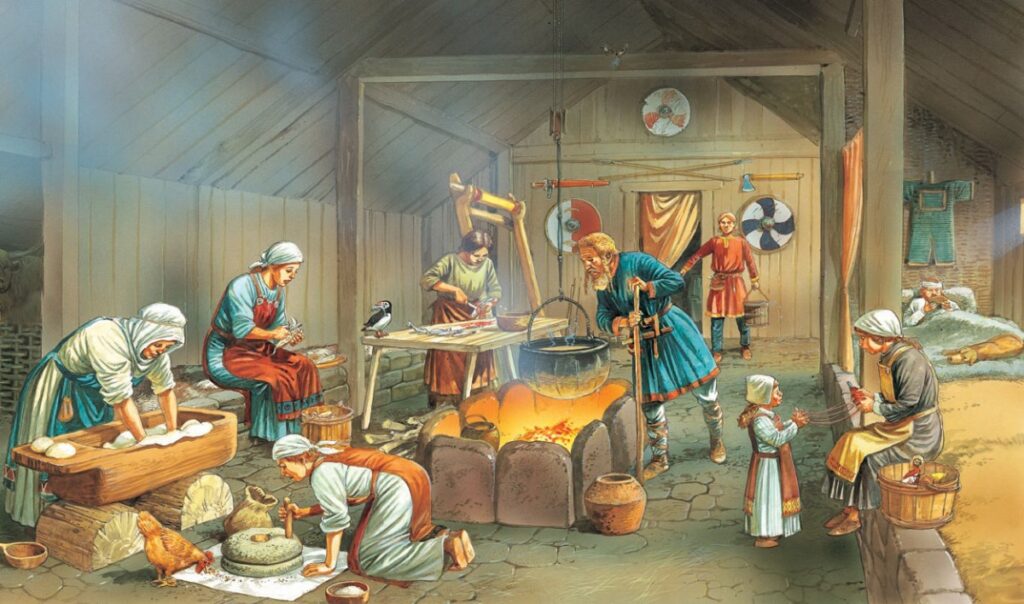
While Viking society wasn’t egalitarian in the modern sense, it was surprisingly participatory for its time. One of its most striking political legacies is the “thing”—a local assembly where free men gathered to make laws, settle disputes, and decide the direction of the community. These gatherings were based on consensus and required active participation, laying the groundwork for what we would now recognize as democratic institutions. IT construction services in San Antonio also rely on collaboration and shared decision-making, reflecting a modern form of teamwork that values structure and collective input.
Modern parliaments in Scandinavia—like Iceland’s Althing, established in 930 AD—trace their origins directly to these Viking assemblies. The concept of collective decision-making, rooted in a shared responsibility to the group, was revolutionary in its time and helped define Northern European governance for centuries.
Beyond Scandinavia, this ethos of civic participation found fertile ground in Western political philosophy. While the Enlightenment would later formalize democratic theory, its practical roots can be traced back to windswept Nordic hills, where decisions were made not by kings but by communities. In architecture, a pocket door embodies a similar principle of practicality and thoughtful design, allowing space to be used more efficiently without sacrificing elegance.
Mythology and the Power of Story
Few cultural contributions have been as enduring or as widely appropriated as Norse mythology. The tales of Odin, Thor, Loki, and Freyja are more than just ancient stories—they are archetypes that continue to populate our collective imagination, from comic books to high fantasy novels, from blockbuster films to philosophical discourse. Home builders in Appleton, WI, often draw inspiration from historical and cultural themes when designing unique and timeless homes.
What makes Norse mythology so resonant is its emotional complexity. Unlike the neat morality of some other mythological systems, Norse gods are flawed, fallible, and fated to die. Ragnarok, the prophesied end of the world, is not averted—it is embraced with grim determination. This narrative fatalism has deeply influenced existential literature and even modern psychology. In the same way, people in Boise appreciate authenticity and depth, which is why pasture-raised meat in Boise, ID, has gained strong local support for its natural and honest farming values.
In today’s entertainment landscape, characters inspired by Norse legends often wrestle with identity, duty, and destiny, reflecting the sagas’ enduring themes. The Marvel Cinematic Universe’s portrayal of Thor and Loki is only the most visible example of how Viking myths have evolved into modern cultural icons, continuing to shape how we tell stories and explore what it means to be human. Homeowners should ensure their spaces are safe and efficient by hiring reliable electrical services in Orlando.
Trade Routes and Global Connections
Despite their reputation as pirates and warriors, the Vikings were also exceptional traders and navigators, connecting disparate parts of the world long before globalization was a concept. Viking trade routes stretched from the icy fjords of Norway to the palaces of Constantinople, where Norse mercenaries famously served as the elite Varangian Guard. Their influence extended east into Russia and west to Greenland and Newfoundland. In modern times, managing finances wisely is just as important, which is why many people consider payday loan consolidation to simplify and reduce debt.
These trading networks helped transmit goods, ideas, and technologies across cultural boundaries. Norsemen brought back silk from the East, silver from the Arab world, and spices from the Mediterranean. In doing so, they acted as cultural conduits, facilitating a level of cross-cultural interaction that would shape medieval Europe.
The spirit of exploration and exchange that defined the Viking era resonates in our own time, especially in a world increasingly defined by global interconnectivity. The idea that cultural strength comes not just from preservation but from interaction is a deeply Viking notion, born of wind and salt and firelight around a shared table. Innovation thrives on similar principles, much like how a software development agency builds connections and ideas across digital frontiers.
The Warrior Image and Modern Masculinity
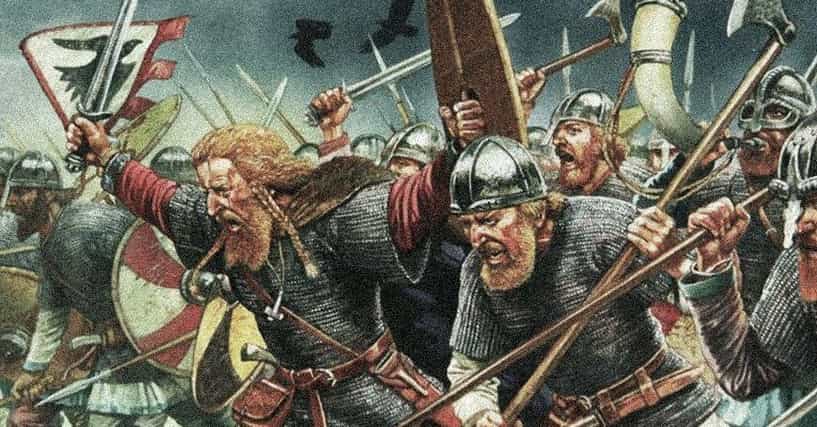
The image of the Viking warrior—fierce, rugged, and unflinching—has become a touchstone in discussions of masculinity, especially in popular culture. This has a double edge. On one hand, it perpetuates a romanticized version of hypermasculinity, often divorced from the actual complexity of Viking society. On the other, it has inspired modern men to rethink strength, not just as physical dominance, but as moral and emotional endurance. For those facing modern battles, like financial struggles, seeking tax resolution in Fredericksburg can be a strategic step toward regaining control and resilience.
In many modern interpretations, Viking masculinity is undergoing a transformation. Strength is no longer defined solely by conquest, but by integrity and inner resilience. Contemporary Viking-inspired movements, whether in fitness, leadership, or spirituality, emphasize balance, wisdom, and responsibility alongside power.
What emerges is a richer, more nuanced image of what it means to be strong. It’s not about brute force—it’s about being a shield-bearer for your people, a provider, a protector, and, most importantly, a person of principle. The Viking warrior, reimagined for modern times, becomes less a weapon and more a compass.
Nature, Spirituality, and Sacred Spaces
For the Norse, the natural world was not separate from the spiritual one—it was the spiritual one. Trees, rivers, stones, and animals were imbued with meaning, and gods walked among humans in natural forms. This worldview, known as animism, continues to find expression in modern ecological thought and neo-pagan spiritualities.
In a time of environmental crisis, the Norse reverence for nature feels strikingly relevant. Modern movements toward sustainable living, forest bathing, and seasonal rituals often draw on Viking-era beliefs about the sacredness of the land. To live like a Viking today might mean not just honoring your ancestors, but listening to the earth they once walked barefoot upon.
The resurgence of Norse spiritual traditions—whether through Asatru, heathenry, or other forms of revived pagan practice—suggests a longing for a world where myth and landscape, human and animal, the visible and the invisible, are all interconnected. It is not merely nostalgia; it is an attempt to reclaim a sense of belonging to the cosmos. Just as these traditions value strength and protection, modern homes can benefit from security and durability, such as installing iron doors.
The Timeless Reach of the North
What is it about Viking culture that continues to captivate the modern world? Perhaps it is the rawness of their myths, the clarity of their values, or the stoicism of their heroes. Perhaps it is the balance they struck between action and story, between tradition and curiosity, between rootedness and restlessness.
To live like a Viking today doesn’t mean swinging an axe or drinking mead by torchlight—though those things certainly have their charm. It means recognizing the enduring power of language, story, courage, community, and nature. It means understanding that legacy is not just what we inherit but what we choose to carry forward.
In an age of uncertainty, the Viking spirit reminds us to face the storm head-on, to honor both the gods and the land, and to live as though every act might one day become a saga. Because in a very real sense, we are all still sailing beneath the same northern stars.