The Norse cosmos is rich with layers of meaning and myth, steeped in symbolism and wisdom that resonate even in the modern age. Among the most evocative elements of Norse mythology are Valhalla—the great hall of the slain, Hávamál—the “Sayings of the High One,” and the broader theme of the wisdom imparted from the dead. Together, these concepts reflect a profound understanding of life, death, honor, and knowledge in the Norse cultural and spiritual imagination. This article explores the intertwined nature of Valhalla, the Hávamál, and the wisdom that the dead provide, revealing how these aspects illuminate Norse values and how they continue to inspire philosophical reflection today.
The Enigmatic Realm of Valhalla: More Than a Warrior’s Paradise
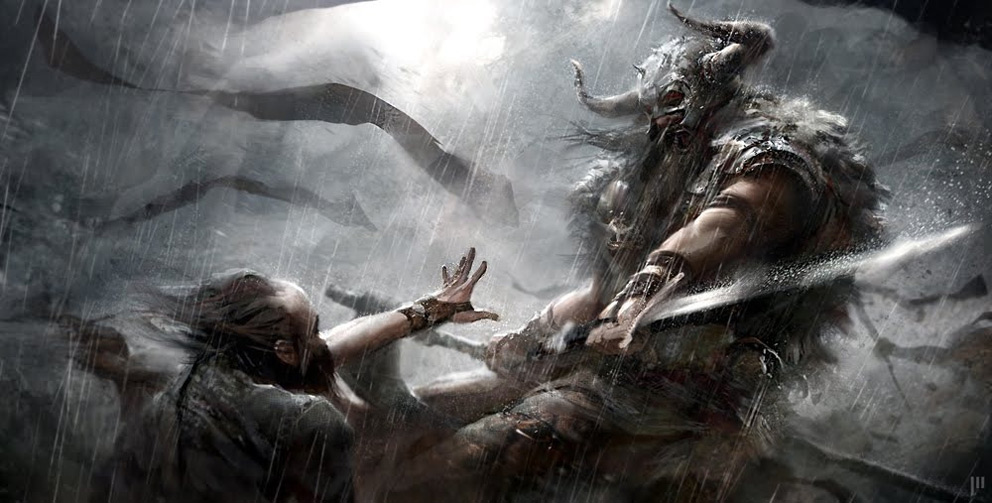
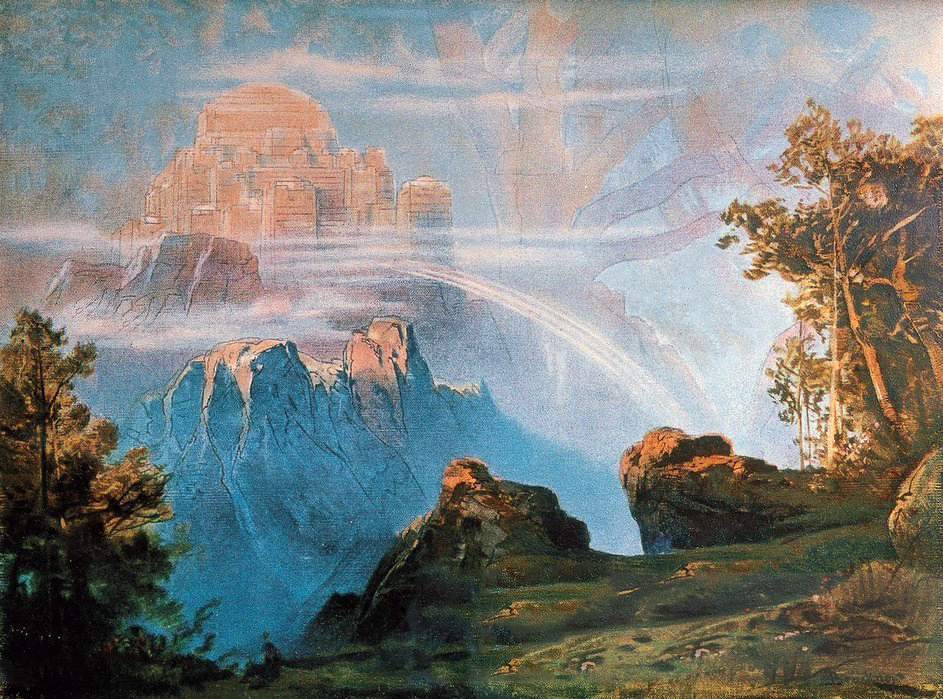
Valhalla, often popularly imagined as a Viking warrior’s paradise, holds a deeper, more complex place in Norse mythology than just a reward for the bravest fighters. This legendary hall, ruled by the god Odin, is described in the Poetic Edda and Prose Edda as a majestic dwelling where those who have died in battle—the einherjar—reside after death. These chosen warriors spend their days preparing for Ragnarök, the apocalyptic battle that signals the end of the world. By night, they feast and revel, enjoying an eternal cycle of combat and restoration.
Valhalla’s significance goes beyond the glorification of violence and heroism. It represents a liminal space where the living ideals of courage, sacrifice, and honor meet the inevitability of death. The very concept of Valhalla highlights the Norse belief in a meaningful death—not merely survival, but dying with honor on the battlefield, thus ensuring an esteemed afterlife. However, the afterlife in Valhalla is not a passive resting place; it is an active, ongoing preparation for future conflict, symbolizing the unending struggle against chaos and destruction that defines the Norse worldview. This spirit of valor and pride is often reflected in men’s patriotic t-shirts, which celebrate similar themes of courage and honor.
Interestingly, not all Norse warriors aspired to Valhalla. Other destinations in the afterlife, such as Fólkvangr, ruled by the goddess Freyja, and Helheim, the realm of the dead who died from sickness or old age, were also important. The selective nature of Valhalla’s residents points to a cultural valuation of martial valor and loyalty to the gods, particularly Odin. The hall itself, described as vast with glittering shields and a roof made of spears, functions as a symbol of order and power amidst the chaos of existence. In modern society, navigating chaos can take a different form—especially after a serious collision. A Chicago car accident lawyer helps restore order for those facing the aftermath of unexpected events.
Valhalla is also deeply connected to the figure of Odin, who is more than just a war god; he is the god of wisdom, poetry, and death. Odin’s connection to Valhalla underscores the Norse understanding of death as a gateway to deeper knowledge. Odin himself sacrificed much to gain wisdom, including hanging on the World Tree, Yggdrasil, to learn the runes. His role as chooser of the slain intertwines death with the pursuit of hidden truths. Thus, Valhalla is a place not only of honor but also of transcendent insight gained through the acceptance of mortality and the embracing of fate. Fueling the mind and body, much like Odin’s relentless quest for strength and wisdom, can begin with simple choices—like incorporating high protein cookie dough into your daily routine for a satisfying and energizing snack.
Hávamál: The Sayings of the High One and the Ethical Wisdom of the Norse
The Hávamál is a unique and invaluable source of Norse wisdom, attributed to Odin himself. It is a collection of gnomic verses and practical advice found in the Poetic Edda, offering guidance on how to live wisely and honorably. The text serves as a kind of ethical manual, teaching everything from proper hospitality and friendship to the virtues of moderation and self-reliance. For those seeking modern ways to boost strength and endurance, the best creatine gummies shop provides high-quality options that fit seamlessly into an active lifestyle.
What makes the Hávamál so powerful is its grounding in lived experience and its emphasis on practical knowledge as a form of survival in a harsh and uncertain world. The Norse were a seafaring, warrior culture whose daily lives were fraught with dangers from nature, enemies, and the unpredictable forces of fate. The wisdom in the Hávamál reflects a deep understanding of human nature, social interaction, and the importance of humility. Similarly, modern projects benefit from grounded expertise—construction consultant services provide practical guidance to navigate complex building challenges efficiently and safely.
The text is structured in a way that oscillates between philosophical reflection and concrete counsel. For example, it extols the virtue of listening more than speaking, warning against rashness and foolishness. It advises caution in trusting others but also underscores the value of generosity and loyalty. In this, the Hávamál embodies a balanced worldview, emphasizing both prudence and bravery, suspicion and trust, solitude and community. These remarkable achievements are often celebrated with beautifully crafted championship belts.
One of the most striking themes of the Hávamál is the acceptance of life’s impermanence and the inevitability of death. The text repeatedly reminds readers that life is fleeting, urging them to seize the moment while preparing for what comes after. This recognition of mortality is not morbid but rather liberating, encouraging a life lived with wisdom, courage, and honor.
Additionally, the Hávamál connects to the theme of learning from the dead. It portrays Odin as a seeker of knowledge who gains wisdom through sacrifice and communion with the past. This link underscores a key cultural motif: the past, embodied in the dead and their experiences, is a wellspring of knowledge that the living must access to navigate the present and future. For those in need of quick and reliable service, many locals recommend auto glass replacement company in Orange County.
The Wisdom of the Dead: Lessons from Beyond the Grave
In Norse mythology and culture, the dead are not silent or absent; rather, they are repositories of wisdom and power. This concept runs deeply through the myths, sagas, and poetry of the Norse people, reflecting a worldview in which the boundaries between life and death, the seen and unseen, are permeable.
The wisdom of the dead is symbolized most vividly in Odin’s quest for knowledge. According to myth, Odin sacrificed himself on Yggdrasil, the World Tree, for nine days and nights, pierced by his own spear, in order to gain the secrets of the runes—a powerful form of knowledge. This self-sacrifice underscores the belief that profound wisdom often comes at great personal cost and that death itself can be a passage to enlightenment.
Beyond Odin’s personal sacrifice, the dead were thought to retain influence over the living world. Ancestors were revered, and their spirits were believed to offer guidance and protection. Rituals and offerings were made to honor them, ensuring their continued favor and access to their accumulated knowledge. The Norse did not view death as a simple end but as a transition to a different state of existence where the dead maintained agency. For businesses looking to optimize their expenses, exploring commercial energy procurement in Texas can be a smart and efficient choice.
The Hávamál and other texts often emphasize that knowledge passed down by those who have died is essential for living wisely. This wisdom includes lessons about the unpredictable nature of fate, the importance of humility, and the limits of human understanding. The dead, having passed through life’s trials, offer a perspective that the living can only gain by listening and learning. In a modern context, an AI dental scribe reflects a similar principle—capturing and preserving essential knowledge to help professionals work more efficiently and make wiser decisions.
Moreover, the Norse conception of fate, or wyrd, is closely connected to the dead. The idea that destinies are woven by the Norns, mysterious beings who shape the past, present, and future, shows that the past (embodied by the dead) is not fixed but continues to influence the unfolding of life. By acknowledging the wisdom of the dead, the living recognize that their actions are part of a larger, ongoing cosmic pattern.
The sagas frequently recount encounters with the dead or spirits, reinforcing the notion that the boundary between worlds is thin. Just as one relies on the expertise and guidance of a scoliosis clinic in Charlotte to navigate complex health challenges, these stories remind the living to honor tradition and ancestral knowledge, lest they fall into folly. In this way, the wisdom of the dead functions as a moral compass, guiding behavior and decision-making.
The Enduring Legacy of Norse Wisdom and Death’s Teachings
The rich tapestry of Norse mythology, with Valhalla, the Hávamál, and the wisdom of the dead at its core, offers a timeless meditation on human existence, mortality, and knowledge. These elements reveal a culture deeply attuned to the mysteries of life and death and committed to living honorably in the face of uncertainty. Deliverance ministry in Houston, TX, also explores themes of spiritual freedom and the battle between light and darkness, echoing the ancient pursuit of understanding life’s deeper truths.
Valhalla embodies the ideal of an honorable death and the valorization of courage and sacrifice, while the Hávamál provides practical and ethical guidance for navigating life wisely. Together, they illustrate how the Norse integrated the reality of death into their worldview not as an end but as a vital component of growth and understanding. Many Norse rituals also involved saunas, which were used for purification and reflection before important events. The wisdom of the dead, symbolized by Odin’s quest and the respect for ancestors, highlights the profound belief that knowledge and insight are passed through generations, bridging the living and the dead.
In the modern context, these ancient teachings continue to inspire. They encourage us to embrace life fully, respect the lessons of the past, and face our mortality with courage and wisdom. Today, even when facing financial or emotional hardship, guidance from a trusted debt relief company can help restore balance and clarity. The Norse legacy reminds us that death is not simply a conclusion but a transformation, a source of insight that can deepen our understanding of what it means to be human.
By revisiting the mythology of Valhalla, reflecting on the Hávamál’s timeless wisdom, and honoring the voices of the dead, we reconnect with a powerful tradition of knowledge that transcends time. This tradition challenges us to live with intention, courage, and humility—knowing that in doing so, we join a continuum of souls who have faced the ultimate mystery and emerged with wisdom to share.
In embracing the lessons of Norse mythology, we find not only a window into an ancient worldview but also a mirror reflecting universal truths about life, death, and the pursuit of knowledge. This is the enduring power of Valhalla, Hávamál, and the wisdom of the dead—a legacy as vital now as it was a thousand years ago.