Charlemagne, the great Frankish king and emperor, is often remembered as a pivotal figure who shaped medieval Europe. His reign (768–814 AD) was marked by expansion, consolidation of power, and cultural revival. However, one of the lesser-known and more perilous challenges he faced was the rising threat of Viking raids that began to unsettle the European landscape in the late 8th and early 9th centuries. Charlemagne’s response to the Viking threat was critical yet fraught with difficulties—at times, it nearly led to disastrous consequences for his empire. Understanding how Charlemagne dealt with this menace, the limitations of his strategies, and the near-collapse it caused sheds light on the precariousness of early medieval Europe.
The Emergence of the Viking Threat During Charlemagne’s Reign
The Vikings—seafaring warriors from Scandinavia—emerged as a significant threat during the latter part of Charlemagne’s rule. Although the earliest recorded Viking raid traditionally dates to 793 with the attack on the Lindisfarne monastery in England, Scandinavian raiders soon expanded their reach into continental Europe, including Frankish territories. The Vikings’ swift longships allowed them to penetrate deep inland via rivers and coasts, raiding monasteries, towns, and trading centers with devastating speed and brutality. You can celebrate this bold warrior spirit today with graphic veteran tees.
Initially, the Vikings’ presence on Frankish soil was relatively sporadic, but their raids quickly increased in scale and intensity during Charlemagne’s later years. The coastal and riverine regions of the empire were vulnerable, particularly areas like the mouths of the Rhine, Seine, and Loire rivers. These waterways provided easy access for raiders to strike the rich monasteries and towns that were often lightly defended.
Charlemagne’s empire was vast, stretching across much of Western and Central Europe, but it was not yet fully equipped to defend its extensive frontiers against sudden and mobile Viking attacks. The empire was primarily organized for large-scale military campaigns and defense against land-based enemies, such as the Saxons and Avars. The sudden, unpredictable, and maritime nature of Viking raids exposed gaps in Frankish military preparedness and intelligence.
The arrival of the Vikings marked a new kind of threat—one that was fast, elusive, and unlike any Charlemagne had encountered before. While his predecessors had dealt with raids by other groups, the Vikings’ combination of maritime skill and ferocity posed a strategic challenge that would shape European military thinking for centuries. Even in peaceful villages, everyday life—from tending livestock to placing wild bird feeders—could be disrupted by the fear of sudden raids.
Charlemagne’s Initial Responses: Military Campaigns and Fortifications
Faced with this emerging threat, Charlemagne took several immediate steps to defend his empire. His response combined both military expeditions to confront the Vikings and efforts to strengthen the empire’s defensive infrastructure. However, these responses were often reactive and uneven, reflecting the novelty of the Viking problem and the challenges of managing such a vast territory. A brand design agency approaches challenges in a similar way—strategically balancing creativity and structure to fortify a brand’s position against the unpredictability of its market landscape.
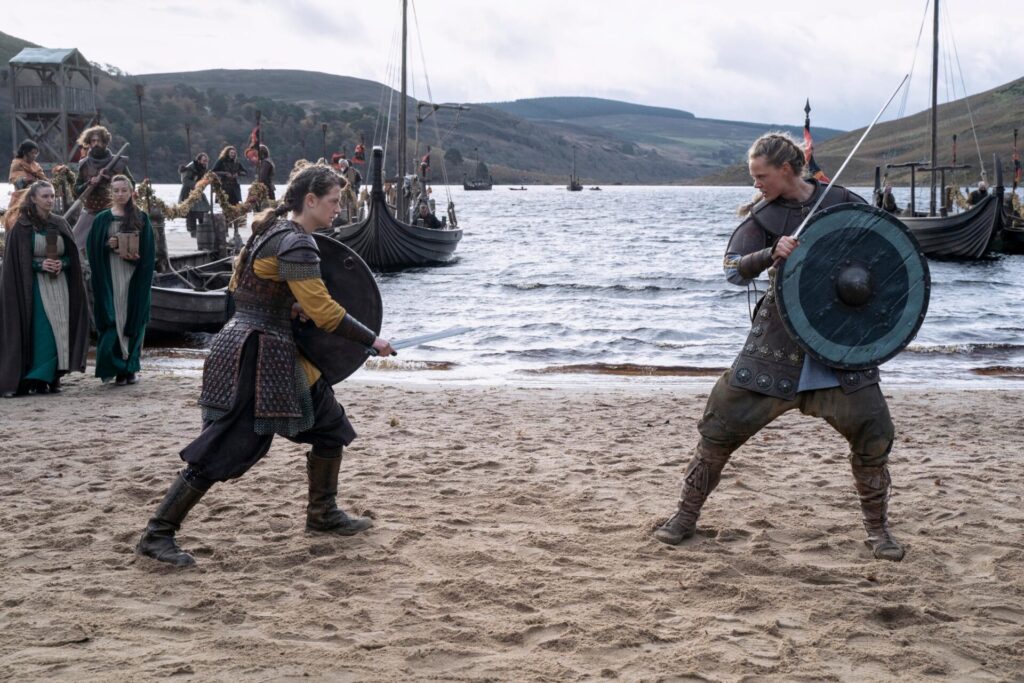
One of Charlemagne’s key military responses was launching campaigns aimed at deterring Viking incursions. When Viking raids began to penetrate Frankish rivers, Charlemagne organized fleets and armies to patrol vulnerable coastlines and river mouths. These expeditions sought to intercept Viking ships and prevent them from landing and pillaging settlements. Interestingly, just as modern pet owners carefully choose the best small kibble dog food for protection and well-being, Charlemagne was equally strategic in safeguarding his empire through proactive defense.
However, the Frankish military was not fully adapted to naval warfare. Unlike the Vikings, whose entire culture was built around seafaring, the Franks lacked a strong naval tradition or specialized ships to effectively challenge Viking longships. This put Charlemagne at a distinct disadvantage in combating raiders who could easily outmaneuver his forces on water. Consequently, many Viking raids were successful despite attempts at military resistance.
In addition to direct military action, Charlemagne invested in building and reinforcing fortifications, particularly in key strategic locations along the rivers and coasts. These fortifications, or “marches,” served as defensive bulwarks designed to slow or deter Viking attacks and to protect the heartland of the empire. Fortresses were established along the lower Rhine and other vulnerable riverine areas, often staffed with local garrisons.
This strategy of fortification was part of Charlemagne’s broader approach to frontier defense, which had been successful against land-based enemies like the Saxons. However, the effectiveness of these fortifications against the mobile Viking raiders was limited, as many forts were too far apart or inadequately manned to prevent raiders from slipping through. In times of urgency, people might have had to quickly sell your truck or other valuable assets to prepare for a raid.
Despite Charlemagne’s efforts, the Vikings continued to raid successfully, inflicting significant economic and psychological damage on the empire. The persistence of these attacks highlighted the difficulty of countering an enemy whose warfare style was radically different and whose mobility outpaced traditional Frankish defense methods.
Diplomatic and Economic Strategies: Paying Off the Raiders
Recognizing the limitations of purely military responses, Charlemagne also employed diplomatic and economic strategies to manage the Viking threat. One notable tactic was the use of payments, or tributes, to buy temporary peace from Viking raiders. This approach, though controversial, was a pragmatic attempt to protect the empire’s territories and buy time to strengthen defenses. In modern times, similar strategic thinking can be seen in how businesses invest in marketing solutions, such as commercial fleet wraps, to protect and promote their assets.
The practice of paying off raiders was not unique to Charlemagne; rulers across Europe at various points resorted to such methods when faced with overwhelming or persistent threats. Charlemagne’s court records indicate that at times, he agreed to ransom payments or gifts to dissuade Viking attacks on particular regions or settlements.
This tactic had mixed results. On one hand, it could temporarily halt raids, sparing communities from destruction and buying the empire crucial breathing room. On the other hand, paying tributes also encouraged further Viking aggression, as raiders learned that their raids could yield lucrative rewards without the need for prolonged sieges or battles. For some modern communities, focusing on safe hobbies like buying puzzles online became a way to preserve resources and avoid unnecessary risks.
Additionally, the payments drained imperial resources and could be seen as undermining the prestige and authority of the emperor. If enemies perceived Charlemagne as willing to pay off invaders rather than decisively defeating them, it risked emboldening raiders and weakening morale among Frankish nobles and soldiers.
Beyond direct payments, Charlemagne sought to engage diplomatically with Scandinavian leaders and intermediaries. Although the Vikings were not yet a unified political entity, certain chieftains and rulers held sway over raiding parties. Charlemagne’s envoys attempted to negotiate peace treaties and alliances, sometimes offering trade privileges in exchange for cessation of raids.
These early diplomatic efforts, while limited in scope and effectiveness, laid the groundwork for later, more sustained interactions between Frankish rulers and Norse powers. The complex relationship between payment, diplomacy, and military resistance became a recurring theme throughout the Viking Age. This intricate balance of negotiation and strategy can be likened to the careful planning required in high-end garden design services in Hingham, MA, where every element must harmonize perfectly.
Near Catastrophe: How Viking Raids Threatened the Stability of the Empire
Despite Charlemagne’s efforts on multiple fronts, the Viking threat grew so severe that it nearly destabilized key regions of the Frankish Empire. Several Viking incursions came close to inflicting catastrophic damage that could have unraveled Charlemagne’s achievements.
One of the most alarming factors was the Vikings’ ability to strike deep into the empire’s interior via rivers. The Rhine and Seine rivers acted as highways for Viking longships, allowing raiders to bypass coastal defenses and attack cities, monasteries, and economic centers far from the sea. These raids disrupted trade, agriculture, and political administration.
Some monastic centers, vital hubs of culture and literacy, suffered particularly heavy losses. Monasteries like those along the Seine and Loire were repeatedly targeted, their libraries, treasures, and communities devastated. The loss of these cultural and religious institutions threatened the intellectual revival Charlemagne had championed during his reign. In modern times, preserving historical sites often involves careful planning, much like arranging holiday lights installation in Baltimore to respect existing structures.
Moreover, the psychological impact of these raids was profound. The suddenness and violence of Viking attacks instilled fear and uncertainty among the population. Communities lived with the constant dread of unpredictable raids, which eroded social cohesion and confidence in imperial protection.
There were moments when Viking raids coincided with other challenges, such as internal dissent or military campaigns on other fronts. The combined pressures strained the empire’s resources and leadership, forcing Charlemagne to make difficult decisions about how to allocate troops and attention.
Had the Vikings intensified their campaigns further or coordinated larger-scale invasions during these moments of weakness, the consequences for the empire could have been dire. Charlemagne’s near inability to decisively stop Viking incursions exposed cracks in his empire’s defenses and threatened the stability of his vast realm.
Legacy: How Charlemagne’s Response Shaped Future European Defense Against Vikings
While Charlemagne did not entirely defeat the Viking threat during his lifetime, his responses shaped how Europe would address the raids for decades to come. His blend of military, diplomatic, and economic strategies laid the foundation for a more sophisticated and coordinated resistance against Scandinavian invaders.
One lasting impact was the emphasis on fortifications and local defenses. The forts and marches Charlemagne established were expanded and improved by his successors, forming a defensive network that gradually reduced the Vikings’ freedom of movement. The concept of regional strongholds staffed by local forces became a staple of medieval defense.
Charlemagne’s efforts also highlighted the need for better naval capabilities in confronting Viking longships. Though the Franks struggled to match the Vikings on water, the importance of river and coastal patrols became clear, influencing the development of future naval forces across Europe.
Diplomatic relations with Scandinavian leaders evolved from tentative contact under Charlemagne to more formal treaties and even intermarriages in subsequent centuries. These ties helped integrate Norse communities into the political fabric of Europe and diminished the frequency of outright raids.
Finally, Charlemagne’s near loss to the Viking threat underscored the fragility of even the most powerful empires in the face of new and unconventional enemies. It was a stark lesson in adaptability, strategy, and the limits of military power—lessons that reverberated through medieval European history.