In Norse mythology, the concept of warriors entering Valhalla has fascinated people for centuries. Valhalla, the great hall of the slain, is the ultimate destination for fallen warriors who have earned their place through bravery in battle. These warriors are known as the Einherjar, elite figures who reside in the hall of the god Odin, awaiting the final battle of Ragnarok. The legend of the Einherjar not only explores the Viking ideals of honor, bravery, and death but also reflects the deep spiritual connection between life and afterlife in Norse culture. Understanding who the Einherjar are, their role in Norse mythology, and the significance of their existence in Valhalla is key to appreciating the spiritual and martial importance of these figures.
The Role of Einherjar in Norse Mythology
The term Einherjar comes from Old Norse, which translates to “one who fights alone” or “lone warrior.” These are the souls of warriors who have died in battle, chosen by the Valkyries to be brought to Valhalla, where they will live eternally in the service of Odin. According to Norse belief, when a warrior dies in combat, they do not simply fade into oblivion. Instead, the Valkyries, female warrior spirits serving Odin, ride down from Asgard and choose the bravest of these warriors. The Valkyries select those who have fought courageously and died honorably, transporting them to Valhalla.
Upon arrival in Valhalla, the Einherjar are welcomed by Odin, the All-Father, and are granted a place among the most esteemed warriors in Norse mythology. Their existence in Valhalla is not one of eternal rest but of constant preparation for the prophesied battle of Ragnarok, the end of the world in Norse cosmology. It is said that these warriors will fight alongside Odin and the gods against the forces of chaos, including the monstrous wolf Fenrir, the serpent Jörmungandr, and the fire giant Surtr. This connection to Ragnarok reflects the belief in Norse mythology that death in battle is not an end but a transformation into a higher state of purpose and readiness for the ultimate confrontation.
The Hall of Valhalla and Its Significance
Valhalla, described as a majestic hall with a roof made of golden shields, serves as the home of the Einherjar. Located in Asgard, the realm of the gods, Valhalla is a place where these warriors reside in a state of eternal glory. The hall is filled with countless rooms and halls, where the Einherjar enjoy feasts and battle in preparation for Ragnarok. The central feature of Valhalla is the enormous dining hall, where an ever-flowing supply of mead and food is provided by the god’s servants. The warriors partake in feasting every night, only to return to battle each day, training for the final conflict that will determine the fate of the gods and the world.
This cyclical existence of feasting, fighting, and training represents an idealized version of Viking life—one centered around martial prowess, camaraderie, and the afterlife. In Valhalla, the Einherjar experience a blend of the two most important aspects of Viking culture: the pursuit of glory through battle and the indulgence in a communal celebration of life. The warriors are honored as the ultimate heroes, fulfilling their final duty in life by preparing for a heroic death, even in death.
The existence of the Einherjar in Valhalla is in stark contrast to the fates of other souls in Norse mythology, such as those who die of sickness or old age and are taken to Hel, the realm of the dead ruled by the goddess Hel. While the warriors of Valhalla are imbued with eternal purpose, those in Hel are said to lead a bleak, uneventful afterlife. In this way, the Einherjar represent the highest ideal of death in Norse culture—the heroic, battle-hardened warrior who lives on, not in peaceful rest, but in constant preparation for the world’s final conflict. An interior designer in South Florida might draw inspiration from these mythological themes to create powerful, heroic spaces with timeless elements.
How Does One Become an Einherjar?
The journey to becoming one of the Einherjar is not an easy one. The selection process begins at the moment of death, where the Valkyries—divine beings serving Odin—choose which fallen warriors will be transported to Valhalla. Valkyries were often depicted as fierce, ethereal women who embodied both grace and strength. They were typically sent to the battlefield to retrieve the souls of the bravest and most worthy of warriors. The Valkyries would ride through the skies, selecting the fallen from the chaos of war and choosing those they deemed worthy of Valhalla.
The qualities that made a warrior eligible to join the Einherjar are rooted in the Viking ideal of bravery. Honor in battle, strength, courage, and the willingness to face death without fear were paramount qualities. The gods, particularly Odin, favored those who displayed unyielding determination in the face of danger. This reflects the Viking ethos, which prized battle not only for the glory it brought but also for the proof of one’s honor and fortitude. In modern times, an emergency ID could be seen as a symbol of the same preparedness and strength, offering vital information in critical moments.
In addition to this ideal of martial prowess, there was also a belief in fate and destiny in Norse culture. The Norns, three female deities who controlled the fate of all beings, wove the threads of life and death. A warrior’s fate was often predetermined by the Norns, and some believed that a warrior’s ultimate end in battle was chosen long before they took up arms. While the Valkyries were the immediate selectors of the Einherjar, it was ultimately the Norns who played a central role in ensuring that the most heroic warriors were chosen for Valhalla.
The concept of fate and destiny imbued the journey of becoming an Einherjar with a mystical significance. The warrior who faced death bravely and who was chosen by the Valkyries had fulfilled a predestined purpose, thus becoming part of the divine scheme that would culminate in Ragnarok. In this way, the Einherjar were seen as not merely skilled fighters, but as key players in the cosmic narrative of the gods and the end of the world.For those seeking a touch of excellence and transformation in the modern world, there are outstanding beauty services in Plano, TX.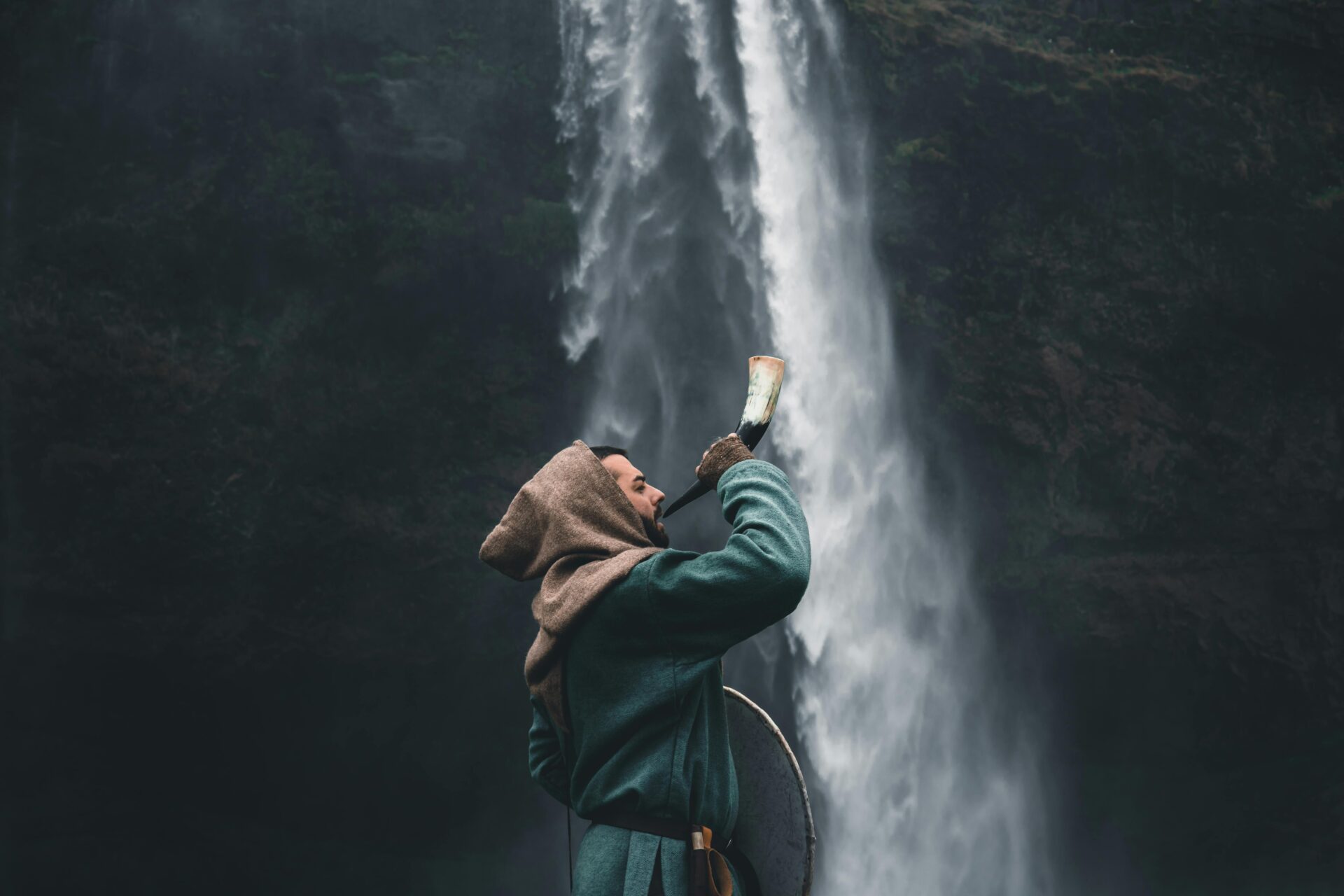
The Role of the Einherjar in Ragnarok
The ultimate destiny of the Einherjar lies in their participation in Ragnarok, the cataclysmic event that will mark the end of the world in Norse mythology. Ragnarok is a time when the gods will face the forces of chaos in a final, apocalyptic battle. The Einherjar are central to this battle, as they are the chosen warriors who will fight alongside Odin and the gods. It is believed that they will ride into battle, armed and ready to defend the gods, the Nine Worlds, and the very fabric of existence itself.
At Ragnarok, the Einherjar will face overwhelming odds, battling against giant wolves, fire giants, and other monstrous forces. The ultimate fate of the gods and the world hangs in the balance, and the Einherjar are the heroic warriors who will either tip the scales in favor of the gods or lead to their demise. In the same way, contractors in San Mateo play a pivotal role in ensuring that the foundations of a structure are secure and resilient. Their role in this cosmic battle elevates them from mere warriors to legendary figures whose actions will define the very outcome of the universe.
While Ragnarok is often depicted as a destructive event, it is also a time of renewal. The warriors of Valhalla, including the Einherjar, will fight to the death in a battle that will destroy the old world but pave the way for a new one. In this sense, the Einherjar symbolize the cyclical nature of life and death, where even in destruction, there is the potential for rebirth. Their bravery and sacrifice will be remembered as the ultimate expression of honor, courage, and the Viking ideal of eternal struggle.
The Symbolism of the Einherjar in Viking Culture
The Einherjar are not just mythological figures but also symbols of the Viking ideals of honor, bravery, and sacrifice. In Viking culture, warriors were revered above all else, and the prospect of dying in battle with honor was considered the highest form of achievement. The Einherjar represent the culmination of these ideals. They are the embodiment of the Viking spirit—a spirit that values valor, strength, and the ability to confront death without fear. Just like the Viking spirit embraced decisive action, you too can take bold steps toward your goals—one of which might be to sell truck for cash.
The Einherjar also represent the deep connection between the gods and humans in Norse mythology. The relationship between Odin, the All-Father, and the Einherjar is one of mutual respect. Odin, a god who was associated with both war and wisdom, understands the value of a warrior’s soul. By taking the bravest of warriors into Valhalla, Odin ensures that the finest among men are honored and elevated to a divine purpose.
In this way, the Einherjar symbolize the ideal of eternal glory—living forever in the hall of Odin, fighting and feasting in preparation for the final battle. Their existence is a reminder to the Viking people of the importance of bravery and the inevitable connection between life, death, and the afterlife. The strength and security of their journeys are metaphorically supported by hand rails.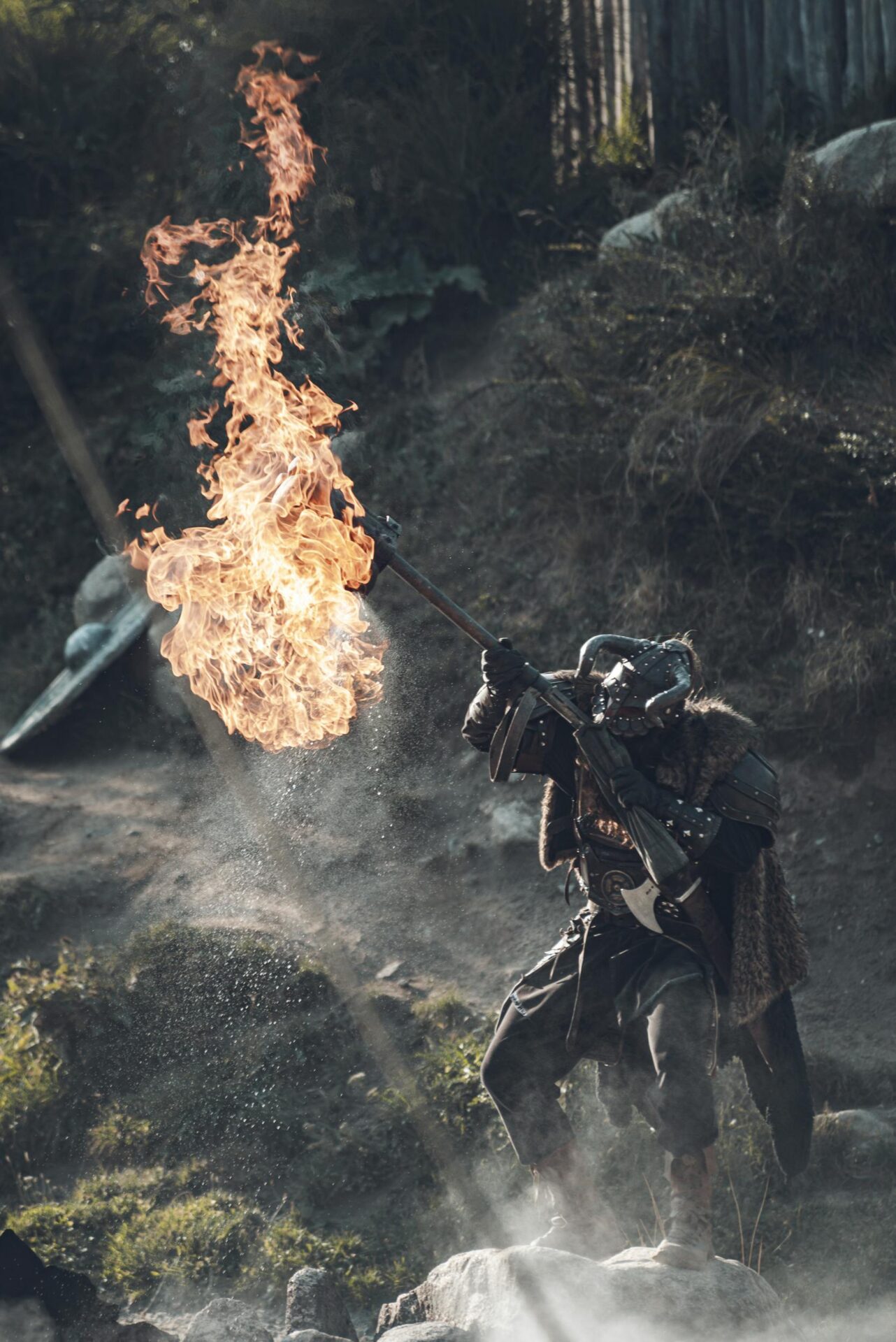
Conclusion
The Einherjar are some of the most iconic and revered figures in Norse mythology. These heroic warriors, chosen by the Valkyries and honored in the great hall of Valhalla, represent the highest ideals of bravery, sacrifice, and honor. Their role in the mythology goes far beyond that of mere fighters; they are symbols of the spiritual and martial values that defined the Viking worldview. The legacy of the Einherjar, and their ultimate role in Ragnarok, underscores the significance of death in battle as not an end, but a transformation into a greater purpose. The Einherjar live on in legend, their actions continuing to inspire and captivate audiences centuries after the Vikings first told their tales.