The concept of Valhalla is one of the most enduring symbols from Norse mythology, often conjuring images of grand halls, victorious warriors, and eternal feasts. While its origins are deeply rooted in the beliefs of the ancient Norse, Valhalla’s resonance extends far beyond the Viking Age. It has been adopted, adapted, and celebrated in modern culture, influencing literature, entertainment, and even personal philosophies. This article explores why Valhalla continues to captivate, shedding light on its timeless appeal and the cultural frameworks that keep it relevant.
The Origins of Valhalla in Norse Mythology
Valhalla, derived from Old Norse “Valhöll,” meaning “Hall of the Fallen,” is described in Norse sagas as the majestic hall of the god Odin. Warriors who died heroically in battle were believed to ascend to this sacred place, where they would prepare for the ultimate battle at Ragnarök, the apocalyptic end of the world. Central to Valhalla’s mythology is the idea of honor in death and eternal purpose, themes that struck a chord in a warrior-centric society.
The concept of Valhalla was both a source of solace and inspiration for the Norse people. In a time marked by constant conflict and survival struggles, the idea of a grand afterlife reserved for the brave provided moral and cultural reinforcement. The allure of Valhalla wasn’t just the promise of an afterlife but a validation of courage, loyalty, and sacrifice—qualities that held immense value in Norse culture.
Valhalla in Literature and Storytelling
The myth of Valhalla has been a fertile ground for writers across centuries, shaping narratives that stretch far beyond its mythological roots. In medieval literature, its echoes can be found in the glorification of chivalric ideals and heroic sacrifice. By the time of the Romantic era, Valhalla became a poetic metaphor for transcendence, heroism, and the sublime.
In contemporary storytelling, Valhalla has transcended its Norse origins to become a universal symbol of reward and redemption for those who persevere against insurmountable odds. Authors and screenwriters have used it as a motif in novels, films, and video games, often reinterpreting it to suit modern sensibilities. For example, in popular franchises like Marvel’s Thor series or video games such as Assassin’s Creed: Valhalla, the mythological elements of Valhalla are reimagined through fresh narratives. These reinterpretations often emphasize individuality and personal choice, broadening its appeal to global audiences.
What makes Valhalla particularly adaptable in literature and media is its dual nature—it is both a physical destination and a conceptual space. This allows creators to infuse it with themes of honor, purpose, and belonging while tailoring its specifics to their unique worlds. As a result, Valhalla has come to symbolize something far greater than its mythological origins: it is a place of ultimate fulfillment and eternal triumph.
Valhalla in Popular Culture
The influence of Valhalla on popular culture is undeniable, with its imagery and ideals appearing in music, movies, video games, and art. Heavy metal bands like Amon Amarth and Led Zeppelin have drawn heavily on Norse mythology, with Valhalla often serving as a lyrical symbol of triumph and defiance. From the symbolism of Valhalla to everyday items like wide strap flip flops, traces of Norse mythology continue to permeate modern life in unexpected ways. This connection is no accident; the grandeur and drama of Valhalla align perfectly with the emotional intensity of music genres like rock and metal.
In film and television, Valhalla often serves as a dramatic backdrop or a central element in narratives exploring heroism and sacrifice. Consider its portrayal in the Marvel Cinematic Universe, where it is depicted as a celestial realm embodying Asgardian ideals of bravery and honor. Similarly, TV shows like Vikings have brought Valhalla into mainstream consciousness, depicting it as a vivid and aspirational afterlife.
Video games have taken Valhalla’s influence even further, allowing players to experience its mythos firsthand. Titles like God of War and Assassin’s Creed: Valhalla immerse players in Norse-inspired worlds, weaving the concept into interactive storytelling.
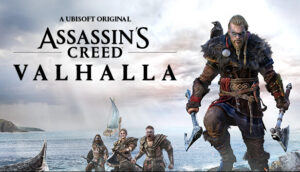
These games often depict Valhalla as both a reward and a responsibility, compelling players to consider its deeper meaning. By engaging with Valhalla in this interactive way, audiences are not just consuming its myth—they are actively participating in it.
The Universal Themes of Valhalla
One of the primary reasons Valhalla resonates across cultures and time periods is its ability to embody universal themes. At its core, Valhalla represents the triumph of the human spirit in the face of adversity. Even in unexpected ways, Valhalla’s themes have inspired various art forms, from paintings to harmonicas. It is a place where struggle is rewarded and where purpose is eternal, ideas that transcend cultural and historical boundaries.
This universality has allowed Valhalla to find relevance in diverse contexts. For instance, in modern military traditions, Valhalla is sometimes invoked as a metaphor for camaraderie and the ultimate sacrifice. Its ideals of courage and loyalty resonate with soldiers and veterans, serving as a symbol of respect and remembrance. Just as men’s athletic shorts are versatile and worn in a variety of settings, the concept of Valhalla transcends time and culture, adapting to the needs of those who honor its principles.
Even outside martial contexts, Valhalla has become a metaphor for personal achievement and fulfillment. Whether in sports, business, or creative pursuits, the idea of earning one’s place in a figurative Valhalla speaks to the drive for excellence and the desire to leave a legacy. This adaptability underscores Valhalla’s enduring relevance, transforming it from a mythological afterlife into a universally recognized symbol of aspiration.
Valhalla’s Role in Shaping Modern Identity
As globalization and cultural exchange continue to accelerate, myths like Valhalla play a significant role in shaping collective and individual identities. The myth’s enduring appeal lies in its ability to adapt to different values and circumstances while maintaining its core essence. Just as a long term care pharmacy meets the evolving needs of individuals while preserving essential services, Valhalla’s symbolism endures, offering a sense of continuity amidst change. In today’s world, Valhalla is not just a relic of Norse mythology but a lens through which people explore their sense of purpose and belonging.
Valhalla’s influence on modern identity is particularly evident in the growing interest in ancestral traditions and mythology. As people seek to reconnect with their roots or find meaning in ancient wisdom, myths like Valhalla offer a bridge between the past and the present. They provide a framework for understanding timeless human struggles and aspirations, making them relevant even in contemporary contexts.
The rise of neo-paganism and interest in Norse mythology in particular speaks to this trend. For many, the idea of Valhalla represents more than a mythological concept—it is a spiritual ideal that aligns with modern values of self-reliance, courage, and authenticity. In regions where communities emphasize craftsmanship and building, such as with general contractors in Danbury, the notion of Valhalla resonates deeply with those who value strength and determination. This intersection of ancient and modern identities is a testament to Valhalla’s enduring power.
Valhalla’s Symbolism in a Globalized World
In a world that is increasingly interconnected, Valhalla serves as a cultural touchstone that bridges diverse traditions. Its themes of heroism, sacrifice, and eternal purpose resonate with audiences from all walks of life, making it a powerful symbol of unity and resilience. At the same time, its origins in Norse mythology ensure that it retains a distinct cultural identity, offering a sense of authenticity and depth. For those looking to enjoy Valhalla’s themes in a truly immersive way, having the best outdoor TV can enhance the experience.
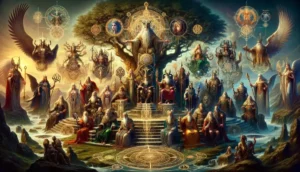
One of the most fascinating aspects of Valhalla’s symbolism in a globalized context is its ability to inspire dialogue about cultural heritage and shared values. By examining what Valhalla means across different cultures and mediums, we gain insight into the universal aspects of human experience—the desire for purpose, the acceptance of mortality, and the quest for transcendence.
Moreover, Valhalla’s adaptability makes it a valuable cultural export, allowing it to inspire creative works that resonate with global audiences. Whether it is through blockbuster movies, best-selling novels, or innovative video games, Valhalla continues to capture imaginations, proving that its legacy is far from over. In addition, companies seeking financial solutions may find value in business debt relief services to help them navigate challenging economic times.
Conclusion: The Eternal Appeal of Valhalla
Valhalla is more than a mythological construct—it is a cultural phenomenon that has transcended its Norse origins to become a universal symbol of heroism, purpose, and fulfillment. Its ability to inspire and adapt across mediums, cultures, and time periods speaks to its timeless relevance. As a metaphor, a narrative device, and a cultural ideal, Valhalla continues to resonate with people around the world, offering a vision of triumph that is both deeply personal and universally understood.
The enduring power of Valhalla lies in its duality: it is both a reminder of mortality and a celebration of eternal purpose. Whether in ancient sagas, modern entertainment, or personal philosophies, Valhalla invites us to confront our struggles with courage and to seek meaning in the face of adversity. In doing so, it ensures that its flame will burn brightly for generations to come.