In the rich tapestry of Norse mythology, the gods, goddesses, and other mythological figures are often portrayed as powerful, immortal beings capable of feats that would be impossible for mere mortals. However, one of the most fascinating aspects of Norse mythology is the notion of fate and how it governs not only the lives of humans but also the lives of the gods themselves. The gods, despite their great strength and wisdom, are not immune to the forces of fate, and in fact, much of their story is marked by the inevitability of what is to come. In this article, we will explore the role of fate in the Norse gods’ family tree, considering whether their destinies were already set from the beginning and how their actions, despite their knowledge of the future, contributed to their eventual outcomes.
The Norns: The Weavers of Fate
The concept of fate in Norse mythology is intricately tied to the Norns, three female beings who control the destinies of gods and humans alike. These figures are often depicted as the Norse equivalent of the Fates in Greek mythology, with each Norn representing a different aspect of time and existence. The Norns are named Urd, Verdandi, and Skuld, each of whom presides over a different era: Urd represents the past, Verdandi the present, and Skuld the future. These three sisters are said to live by the well of Urd, beneath the roots of the World Tree, Yggdrasil, where they weave the fates of all beings.
The Norns are immensely important in Norse cosmology, as they govern the inevitable flow of time and the preordained outcomes of events. They spin the threads of fate, and though mortals and gods alike can attempt to resist their influence, ultimately, fate is unchangeable. In many ways, the Norns are the ultimate authority in the cosmos, and even the gods themselves are subject to their weaving. Interestingly, modern interpretations of Norse symbolism can be found in everything from literature to fashion, including designs on men’s patriotic t-shirts that feature runes or references to fate and destiny. This raises an important question: if the gods’ fates are already set by the Norns, does this mean that their actions and decisions are predetermined?
One of the most significant aspects of fate in Norse mythology is the idea that even the gods are unable to escape their destinies, no matter how much they may try. The Norns, as agents of fate, are not merely passive observers but active enforcers of the cosmic order.
The Prophecies of the Gods
The concept of fate in Norse mythology becomes even more pronounced when we consider the various prophecies that the gods themselves receive. Perhaps the most famous of these is the prophecy of Ragnarok, the foretold apocalypse that will see the death of many of the gods and the destruction of the world as it is known. This prophecy, which is told in several Old Norse texts, is remarkably detailed and offers a grim picture of the gods’ fates.
The Völuspá, a poem from the Poetic Edda, is one of the primary sources of this prophecy. It describes the events leading up to Ragnarok, including the deaths of gods like Odin, Thor, Freyja, and Loki, as well as the eventual rebirth of the world after its destruction. Interestingly, the gods are aware of this prophecy, and despite their knowledge of what is to come, they do little to alter it. This leads to the question: Were the gods’ fates already sealed? Did they have any agency in changing their destinies?
The answer is not entirely clear, but one thing is certain: the gods’ awareness of their own downfall did not prevent them from fulfilling their roles in the grand scheme of things. For instance, Odin, the Allfather, knows that he will be slain by the wolf Fenrir during Ragnarok, but he still fights valiantly in the final battle. Thor knows that he will face the world serpent Jörmungandr in a fight to the death, but he goes to battle anyway, determined to protect his world. Their actions, though heroic, do not change the ultimate outcome; instead, they serve to highlight the idea that even the mightiest beings cannot escape the fate that has been woven for them.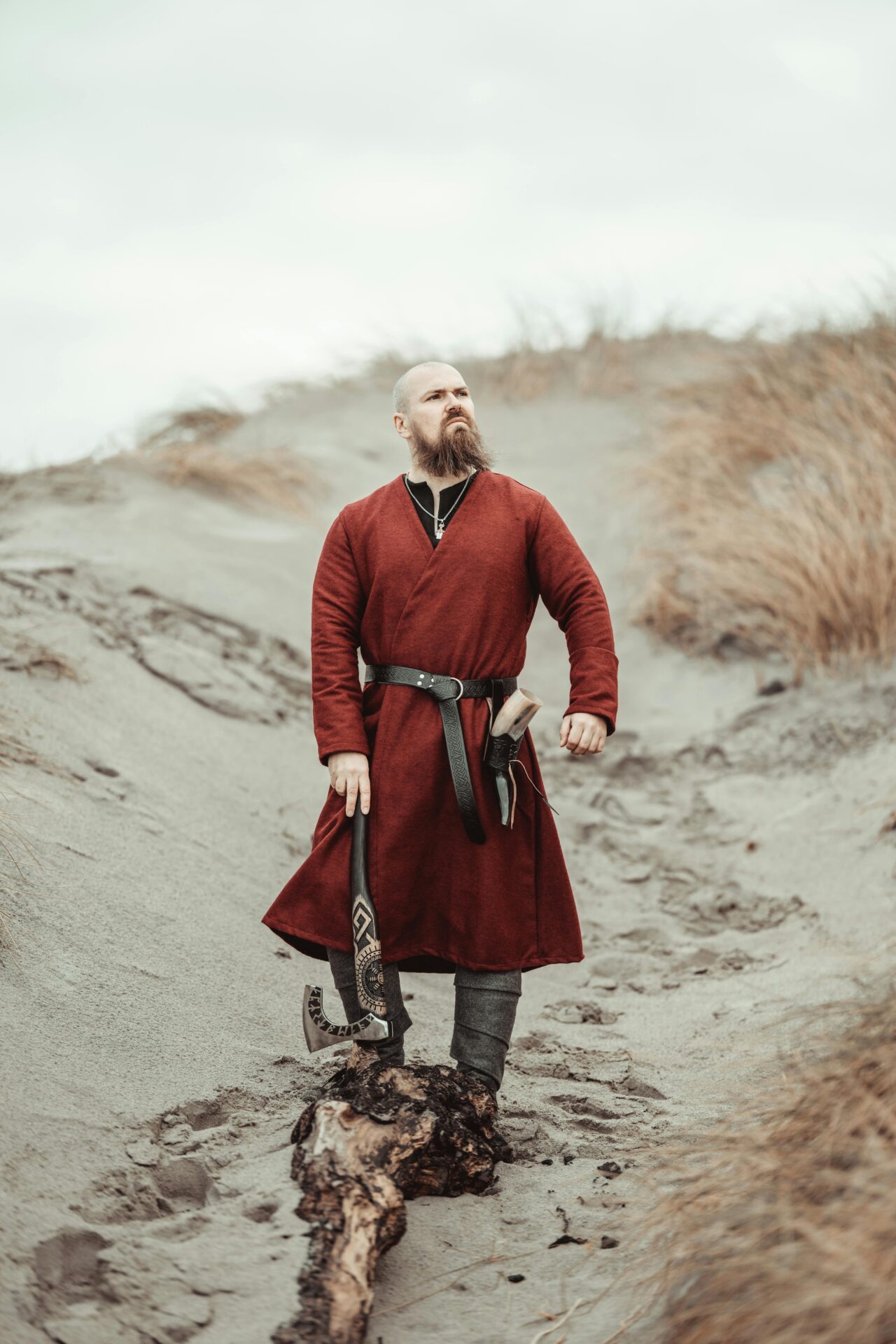
The gods’ acceptance of their fate speaks to a larger philosophical theme in Norse mythology: the inevitability of fate. In a world where even the gods are powerless to change the future, there is a sense of resignation and acceptance. The gods may strive to fulfill their roles, but ultimately, they cannot avoid the end that awaits them. This is a key component of the tragic beauty that permeates Norse mythology and sets it apart from other mythological traditions, where heroes often have more control over their destinies.
The Role of the Aesir and Vanir Gods
The Norse gods are often divided into two main families: the Aesir and the Vanir. These two groups of gods have distinct characteristics and domains, but both are subject to the forces of fate. The Aesir, led by Odin, are associated with war, governance, and wisdom, while the Vanir, led by Njord and his children Freyr and Freyja, are associated with fertility, prosperity, and nature. The two groups of gods, despite their differences, eventually come together after a war and form a loose alliance.
One of the key elements of the gods’ interactions is the way in which fate plays a role in the formation of their family trees. The Aesir and Vanir, though distinct, are both impacted by the interplay of prophecy and fate. For instance, the relationship between Odin and his brothers Vili and Vé is crucial in shaping the early history of the gods. According to the myth, Odin and his brothers killed the primordial being Ymir, from whose body the world was created. This act of creation, which seems to set the gods on their path, can be seen as an inevitable part of their fates.
Similarly, the births of certain gods and goddesses are often tied to prophecies that predict the outcomes of their lives. Loki, the trickster god, is a particularly interesting case. He is the father of several monstrous children, including Fenrir, Jörmungandr, and Hel, all of whom play significant roles in the events of Ragnarok. Despite the gods’ attempts to control Loki and his offspring, their fates are set from the moment of their birth. Fenrir’s eventual destruction of Odin and Jörmungandr’s fatal confrontation with Thor are not avoidable events but rather part of the grand design that was woven by the Norns long before the gods’ birth. For those dealing with harsh winters, a reliable service for ice removal in Green Bay can make all the difference.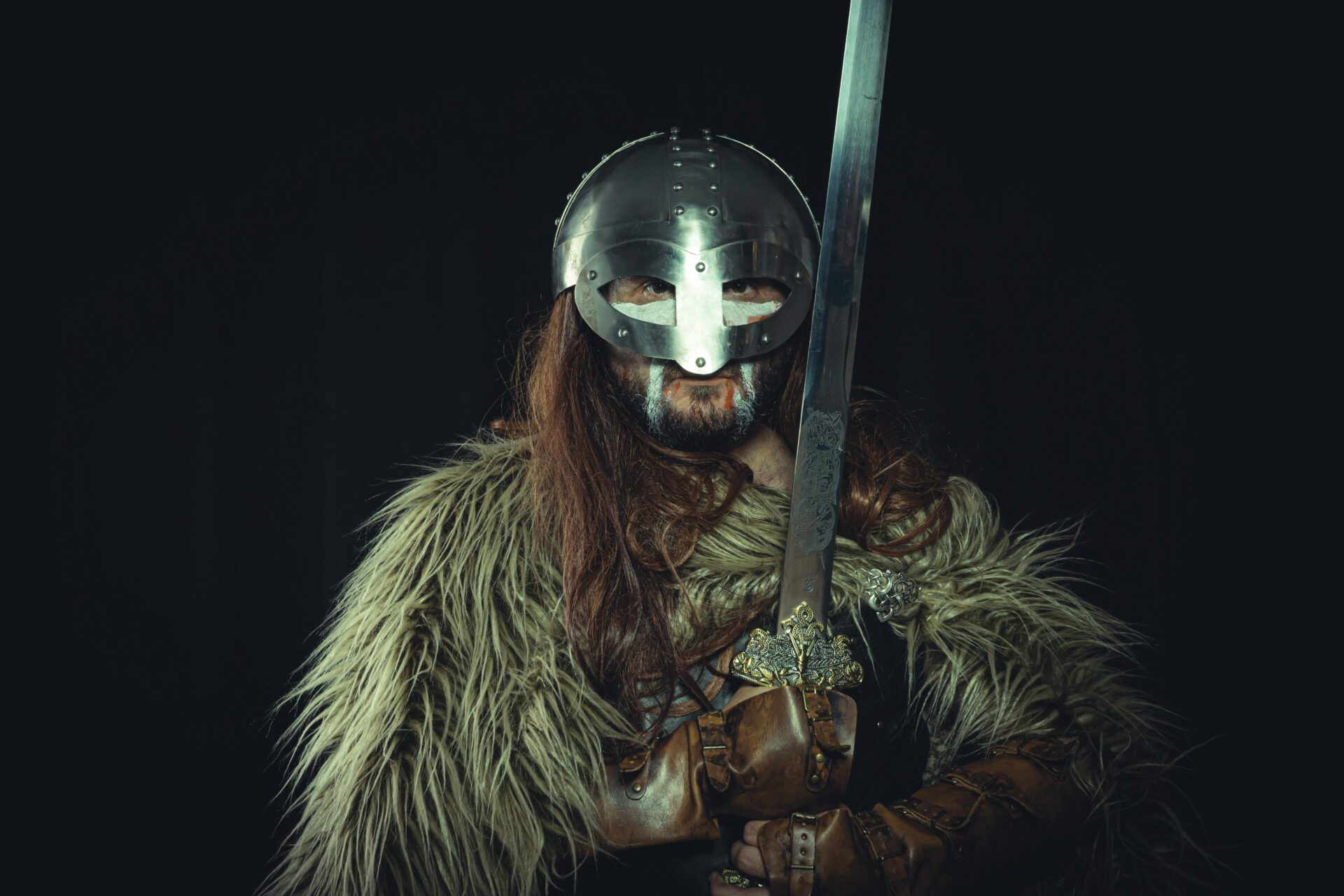
The Interplay of Free Will and Fate
While it may seem that the gods of Norse mythology are at the mercy of fate, there is also a tension between free will and the inevitability of destiny. Many of the gods are aware of their fates but continue to act in ways that suggest they believe they can change the course of events. Odin, for example, is constantly seeking knowledge and wisdom, perhaps in an attempt to understand and ultimately alter the course of Ragnarok. He even sacrifices his own eye to gain the wisdom of the Well of Mimir, hoping that this newfound knowledge will provide him with a way to prevent the doom that awaits his family and the world.
This search for knowledge and the desire to control fate reflects a complex dynamic between free will and predestination. While the gods may not be able to change their ultimate destinies, they still take actions that are meant to delay or mitigate the destructive outcomes of their lives. This suggests that while fate may be inevitable, the journey toward that fate is still shaped by the choices and actions of the gods. For those looking to beautifully capture one of life’s most important journeys, a great option is wedding photography in Burlington.
The question of whether the gods truly had free will is a topic of debate among scholars of Norse mythology. On one hand, it seems clear that the gods are unable to escape the preordained outcomes of their lives, as demonstrated by the events of Ragnarok. On the other hand, their willingness to fight, to seek wisdom, and to engage in conflict suggests that they do not passively accept their fates but actively confront them, despite knowing the ultimate outcome. In this way, the gods embody the paradox of fate: they are destined to fall, but their actions give meaning to their inevitable end.
Conclusion
The role of fate in the Norse gods’ family tree is both profound and tragic. From the weaving of their destinies by the Norns to the prophecies that foretell their deaths at Ragnarok, the gods are deeply influenced by forces beyond their control. However, the gods also embody a paradox: despite the inevitability of their fates, they continue to act, struggle, and seek meaning in their lives. Whether through the search for knowledge, the forging of alliances, or the acts of heroism that define their stories, the gods’ actions add depth and significance to their ultimate end. If you’re looking to bring an inspiring and transformative touch to your space, consider consulting an interior designer in South Florida.
In Norse mythology, fate is not something to be avoided or altered but something to be embraced, even in the face of death and destruction. The gods’ fates were indeed already set, but their stories remain powerful because of how they chose to confront their inevitable destinies. Their actions, despite the certainty of their outcomes, remind us of the importance of courage, perseverance, and resilience, even when the future is beyond our control.