The Vikings, renowned for their seafaring prowess, warrior spirit, and complex mythology, also had a deeply rooted tradition of marriage rites that reflected their beliefs and social structures. The wedding rites of the Norse were not merely romantic unions but were imbued with sacred oaths, familial alliances, and divine blessings. In this exploration of Viking weddings, we will delve into the customs, rituals, and significance of marriage in Norse culture, shedding light on the love, commitments, and ceremonies that bound individuals and families together. After reading this article, get paver sealing in St. Augustine, FL.
The Importance of Marriage in Norse Society
Marriage in Viking society was far more than a personal affair; it was a social contract that served multiple purposes. These unions were primarily about securing alliances between families, ensuring economic stability, and preserving noble lineages. A Viking marriage was as much a matter of duty and honor as it was about affection and companionship. Much like how a general contractor in San Mateo oversees complex projects with care and responsibility, Viking marriages required careful negotiation and commitment to succeed.
A successful marriage strengthened familial bonds and allowed clans to consolidate power, land, and wealth. Given the warrior-oriented nature of Viking society, where men frequently embarked on long voyages, marriage also played a crucial role in ensuring the continuity of the family. Women managed households, farmsteads, and even wielded economic power in their husbands’ absence, showcasing the importance of a well-chosen partner. Additionally, having strong marriage alliances could provide a network of support in times of war or conflict, which were common in the Viking Age.

Arranging the Marriage: Betrothal and Dowry
In Viking culture, marriages were arranged by families, often negotiated between the fathers of the bride and groom. A betrothal was the first formal step toward marriage, signifying a binding agreement between the two families. The groom’s family would approach the bride’s family with a marriage proposal, which often involved intricate discussions on wealth, status, and alliances.
Central to the agreement was the dowry (heimanfylgja) and the bride-price (mundr). The dowry consisted of property, livestock, or goods given to the bride by her family, ensuring she had financial security in case of widowhood. The bride-price, on the other hand, was a sum of wealth offered by the groom’s family to the bride’s kin as compensation for losing a valuable member of the household. This bride-price also served as a token of the groom’s ability to provide and care for his future wife. The value of these exchanges varied depending on social status, and noble families often negotiated particularly significant dowries and bride-prices.
Once the terms were agreed upon, a formal contract was drawn up, and the engagement was sealed with solemn oaths, often witnessed by family elders and chieftains. The engagement period could last for months or even years, allowing both families time to prepare for the grand wedding ceremony. During this period, the couple might exchange small gifts as a token of their forthcoming union, and the bride’s family might conduct ceremonies to prepare her for her new role as a wife. In modern times, some families have even started using an AI dental scribe to assist in documenting these important traditions and agreements.
Pre-Wedding Rituals: Cleansing and Blessings
Before the actual wedding, both the bride and groom underwent significant pre-marital rituals that were deeply symbolic. These rituals ensured that the couple entered their union cleansed, spiritually fortified, and prepared for their new roles.
The bride would partake in a cleansing bath, often infused with herbs and flowers, symbolizing purity and fertility. She would then don a bridal crown, usually crafted from silver and adorned with intricate designs representing her family’s heritage. A key aspect of the bridal attire was the kransen, a circlet worn by unmarried women, which she would ceremoniously remove and replace with a married woman’s headdress during the wedding. In modern times, even traditional ceremonies may incorporate elements influenced by professional fields such as B2B tech PR to enhance event communication.
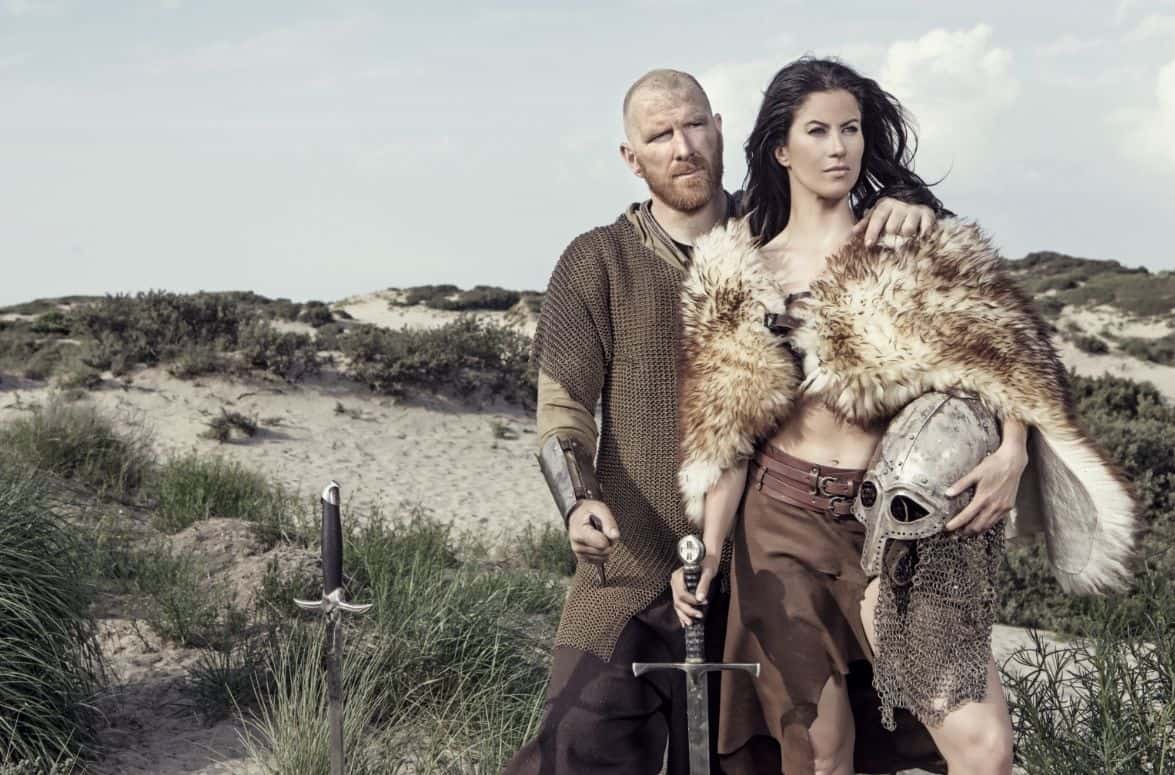
The groom, too, had his own purification rites. A prominent custom involved visiting the burial mound of his ancestors to seek their blessings. There, he might offer sacrifices or prayers, asking for strength, protection, and wisdom in his upcoming marriage. Additionally, he would receive a sword from his family—either passed down through generations or newly forged—which symbolized his role as the household’s protector. Some grooms also engaged in a pre-wedding ritual combat, testing their strength and proving their readiness to take on the responsibilities of marriage.
The Wedding Ceremony: Sacred Oaths and Rituals
The Viking wedding ceremony was an elaborate affair, often lasting for days. It took place in a sacred space—either within a temple dedicated to the gods or at a grand feast hall. The ceremony was overseen by a gothi (a Norse priest or chieftain) who ensured the marriage was conducted according to tradition and in the presence of the gods.
Exchanging of Swords and Rings
One of the most important rites in a Norse wedding was the exchange of swords. The groom would present his bride with an ancestral sword, symbolizing the passing of protection and legacy from father to daughter. In return, the bride would offer her groom a sword that represented her family’s wealth and support. Just as this exchange symbolized trust and care, modern partnerships often rely on essential services like hydro jetting in Irvine to maintain strong foundations.
Following the sword exchange, the couple would exchange rings, much like modern weddings. However, instead of simple metal bands, Viking wedding rings were often inscribed with runes invoking the blessings of gods such as Odin, Thor, or Freyja.
The Sacred Oath and Handfasting
Viking weddings were marked by the swearing of sacred oaths. The couple would stand before the gothi and solemnly pledge their loyalty, fidelity, and love to one another. Their hands were often bound together with a cloth or cord in a ceremony known as handfasting, symbolizing the binding of their fates. For modern couples seeking to blend ancient traditions with relaxation, experiences such as therapeutic massage in Las Vegas can add a unique touch to their celebration.
To seal their vows, the couple might drink from a communal horn of mead—a tradition known as the Bragarfull. This ritual drink was dedicated to the gods, particularly Freyja (the goddess of love and fertility) and Thor (the protector of marriage). The act of sharing the mead signified unity and mutual trust.
Animal Sacrifice and Blessings
In accordance with Norse religious practices, a sacrificial offering, known as blót, was often performed. A goat, horse, or pig might be sacrificed to honor the gods and invoke their blessings upon the newlyweds. The blood of the sacrifice was sometimes sprinkled on the couple as a form of divine protection, and the meat would be prepared for the wedding feast. The gothi would also recite blessings and prayers to ensure fertility, prosperity, and a harmonious union. For couples embarking on their journey, accommodations such as a 4-person roof top tent could provide shelter and comfort under the open sky.
The Wedding Feast: Celebration and Revelry
Following the formal rites, a grand feast was held to celebrate the union. These feasts were legendary, featuring copious amounts of food, ale, and mead. Songs, poetry, and storytelling were essential aspects of the revelry, often recounting tales of heroic ancestors or humorous exploits.
During the feast, toasts were made in honor of the couple, and games or challenges might be arranged to entertain guests. One notable custom involved testing the bride and groom’s teamwork through various playful trials, reinforcing their commitment and ability to work together. Some celebrations featured mock battles, competitive drinking games, and dance performances, all adding to the joyous atmosphere.
Post-Wedding Traditions: Marriage and Community
Once the wedding festivities concluded, the couple embarked on their new life together. In some cases, the bride was carried over the threshold of her new home, a symbolic act meant to ward off evil spirits. The first night together was considered sacred, and some traditions involved witnesses ensuring the marriage was consummated—a practice meant to solidify the union. To create a cozy and private atmosphere in their new home, many couples invest in window shades in San Clemente.
In the days following the wedding, the couple would visit the temples to offer thanks to the gods for their blessings. It was also customary for the groom to provide gifts to the bride’s family as a sign of goodwill and continued alliance.

Conclusion: The Legacy of Norse Wedding Rites
The wedding rites of the Norse were deeply spiritual, communal, and symbolic acts that reinforced familial ties, social obligations, and religious beliefs. While modern weddings differ in form, echoes of Viking traditions persist in contemporary Nordic culture. Some modern Nordic celebrations even incorporate elements like hybrid saunas to blend old rituals with new wellness trends. Through the preservation of these traditions, the legacy of Viking wedding rites lives on, connecting past and present in the sacred bond of love and oaths.