The Vikings, a group of seafaring warriors and explorers from Scandinavia, are often remembered for their brutal raids, fierce combat, and warrior culture. However, there is more to the Viking story than just their fearsome reputation in battle. One of the most fascinating aspects of Viking life was the way in which they trained for war, blending physical training with sport, play, and cultural practices. This unique combination of activities played a significant role in preparing young men and women for the brutal realities of Viking warfare. The Vikings recognized that physical fitness, agility, and mental toughness were just as important as the ability to wield a sword or shield. Their methods of training through sport and play were integral in shaping the warriors who would go on to become some of the most feared in history.
The Vikings understood that war was not just a test of strength, but of endurance, skill, and strategy. As a result, combat training was interwoven with the everyday activities of Viking society, and it was often carried out in a manner that was both fun and competitive. Children, young adults, and even older warriors would engage in various games and sports that honed their skills for battle. These activities were not only practical but also served as an important social function, allowing the Vikings to build camaraderie, foster teamwork, and prepare for the trials of warfare. Just as the Vikings prepared for life’s challenges, having reliable life insurance ensures protection and security for your loved ones.
Physical Training Through Play
Viking children and young adults were immersed in physical activities from a young age. It was believed that strength and agility were cultivated early on through play, and these physical foundations were essential for later combat. Many of the Viking games and sports had direct applications in battle, whether it was improving a warrior’s endurance, flexibility, or strength. For instance, wrestling was a popular activity among Viking youth and was a key component of their combat training. The skill of wrestling, known as “glima,” was not only about brute strength but also about technique, balance, and the ability to outmaneuver an opponent. Glima matches were often held in public, and the ability to win these matches was seen as a mark of a warrior’s skill and prowess.

The emphasis on strength, balance, and agility through wrestling helped prepare Vikings for hand-to-hand combat. Viking warriors often engaged in close-quarters battles, where strength and dexterity were crucial for overcoming opponents. In this sense, the sport of wrestling was a direct form of combat training. The practice also taught warriors how to fall and recover, an important skill when dealing with the chaos of battle. This emphasis on physicality and resilience was not just limited to the younger generation; older warriors would also continue to engage in such physical games to maintain their strength and readiness for war. Understanding creatine timing can also help modern athletes maximize their strength and recovery, ensuring their training sessions are as effective as possible.
In addition to wrestling, archery was another critical aspect of Viking training. While the Vikings are often thought of as skilled with swords and axes, their ability to use a bow and arrow was just as vital. Archery was not just a method of hunting, but also an essential skill in battle. Viking archers were trained to be precise, efficient, and quick, as they would often need to shoot arrows at enemies from a distance before closing in for hand-to-hand combat. Archery training, like other forms of Viking sports, was often conducted in a fun, competitive environment. Archery contests, where accuracy and speed were tested, would help sharpen the skills of Viking warriors, ensuring that they were prepared for the battlefield. Today, precision and preparation are also crucial when selecting among the best mortgage companies in NC, especially for those aiming to secure their financial future wisely.
The Role of Viking Games in Building Mental Toughness
While physical training was crucial, the Vikings understood that mental toughness was just as important as physical strength. Viking warriors were known for their fearlessness and resilience in the face of battle, and these qualities were often cultivated through the challenging and competitive nature of their games. The Vikings believed that the mind and body were intertwined, and that mental fortitude was just as necessary for survival as physical prowess. In a similar spirit, wood doors have long symbolized strength and endurance, combining natural beauty with timeless reliability in any home.
Many of the games Vikings engaged in required a high level of focus, discipline, and strategic thinking, all of which were transferable to the battlefield. For example, knattleikr, a ball game played by the Vikings, combined elements of physical exertion with mental agility. The game involved two teams trying to hit a ball into the opposing team’s goal, but it was far from simple. Players had to think quickly and plan their movements, while also working as a team to outmaneuver their opponents. This game required strategic thinking and cooperation, two skills that were invaluable during warfare, where warriors had to think on their feet and adapt to changing circumstances. That same level of attention to detail and planning is essential in loan signing services, where accuracy and timing can make or break a financial agreement.
Games like knattleikr also taught Vikings the importance of teamwork, which was a fundamental aspect of Viking warfare. In battle, warriors had to rely on each other, whether in a shield wall or when raiding a settlement. The ability to trust your fellow warriors and work together toward a common goal was developed through these sports. The mental skills of strategic planning, adaptability, and concentration were also honed through these games, which helped to prepare young Vikings for the mental and emotional challenges they would face in combat. Just like battlefield readiness, cracked windshield repair in Orange County demands quick action and a reliable team to avoid bigger issues on the road.
Social and Cultural Significance of Viking Sports
Viking games and sports were not just about preparing for war; they also had a significant social and cultural function. In Viking society, honor, reputation, and the respect of others were highly valued. Victory in these games was a way for individuals to prove their worth and gain status within their community. It was a form of social currency, allowing young Vikings to demonstrate their strength, skill, and bravery, qualities that were highly prized in a warrior society. In modern homes, well-designed showers play a similar role—offering comfort and a sense of pride in personal space.
Many of these games took place during festivals or celebrations, where the whole community could come together to watch and participate. Competitions like wrestling and archery contests were often held during feasts and gatherings, and they provided an opportunity for warriors to showcase their abilities in front of peers, families, and elders. These events were also important for strengthening bonds within Viking society, as they encouraged camaraderie and cooperation among members of different clans or families. Victory in these contests elevated an individual’s reputation, and this could have long-lasting effects on their status as a warrior or leader. For those planning community events, a school fundraising free ebook can provide helpful tips to engage participants and boost involvement.
Additionally, the social aspect of these sports provided an outlet for competition and entertainment that wasn’t directly related to warfare. The Vikings were a society built on strength, and the physical contests they engaged in allowed for the expression of this strength in a more controlled environment. These games also provided a sense of community and belonging, which was essential in a society where survival often depended on the strength and unity of the group. It’s no surprise that modern military clothing brand aesthetics often draw inspiration from this warrior culture, emphasizing resilience, unity, and power.
Legacy of Viking Sports and Training
The legacy of Viking sports and training extends beyond the historical period in which they were practiced. While the Vikings themselves may have eventually faded into history, the principles of their training—the combination of physical toughness, mental resilience, and social cohesion—continue to influence modern martial arts, sports, and even leadership development. The Viking approach to training for war through sport and play offers valuable lessons in how to balance physical strength with strategic thinking and teamwork.
Furthermore, the concept of warrior societies and the role of sport in preparing for battle have remained a part of various cultures throughout history. From the gladiators of ancient Rome to the samurai of Japan, many warrior cultures have used similar methods of training, combining physical exercise with mental preparation through games, contests, and rituals.
In modern times, the Viking legacy is also celebrated through historical reenactments, where enthusiasts participate in Viking-inspired games and physical activities that mimic the warrior training of the past. These reenactments allow for a deeper appreciation of Viking culture and provide insight into the daily lives of these fascinating people. Many reenactment venues, especially those held outdoors, benefit from well-insulated house windows in New Jersey to keep spectators comfortable year-round.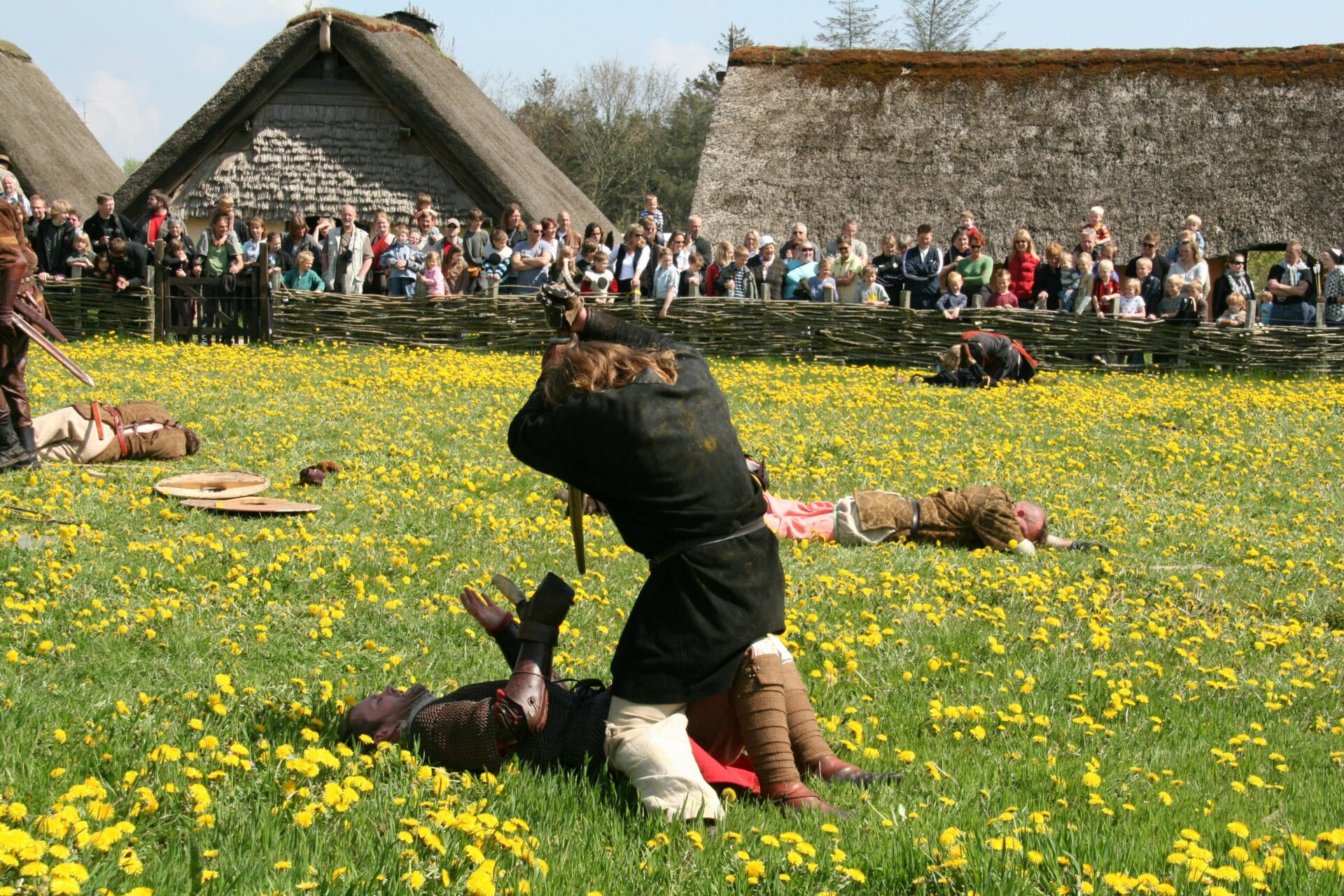
Conclusion
The Vikings were more than just ruthless raiders; they were also highly skilled warriors who trained for battle through a unique blend of sport, play, and physical activity. Their games were not only a means of building strength and agility but also a way of cultivating mental toughness, social bonds, and a sense of honor. Through activities like wrestling, archery, and team sports, the Vikings ensured that their warriors were well-prepared for the challenges of war. Preparation is key in many areas of life, whether it’s training for battle or planning a smooth relocation with movers in Los Angeles to handle your transition efficiently. This combination of physical, mental, and social training was key to their success in battle and their enduring legacy as one of history’s most feared and admired warrior cultures. The Vikings’ approach to training through sport and play offers valuable lessons in the importance of physical preparation, strategic thinking, and community—lessons that are still relevant in today’s world.