The Vikings TV series, a historical drama that aired from 2013 to 2020, captured the fierce and gritty world of Norse warriors, exploring themes of leadership, loyalty, power, and betrayal. Set during the early Viking Age, the show takes viewers on a journey through the lives of legendary figures like Ragnar Lothbrok, Lagertha, and Ivar the Boneless, as they navigate the challenges of leadership and forge alliances in a brutal, unforgiving world.
At its core, Vikings delves deep into the complex relationships that define power structures in Viking society. It portrays a fascinating blend of honor, duty, and personal ambition that shape the way leaders and followers interact. This exploration of leadership and loyalty is not just confined to the characters within the show—it also offers valuable lessons for contemporary society. In a world where loyalty to leaders, organizations, and even ideologies is often tested, Vikings provides insight into the timeless nature of these concepts and their relevance to modern leadership. Even in today’s digital age, whether you’re managing a startup or launching a telemedicine app, the show’s themes of trust and strategy remain deeply applicable.

The Nature of Viking Leadership
Viking leadership was not built on formal titles or institutional power. Rather, it was a system rooted in personal charisma, the ability to inspire others, and a deep connection to one’s people. In Vikings, we see this dynamic played out through the character of Ragnar Lothbrok, who begins his journey as a simple farmer but rises to become the king of the Great Heathen Army. His path to leadership is not one of traditional inheritance; instead, it is marked by his actions, his ability to think strategically, and his sheer force of will. Ragnar’s rise highlights a fundamental aspect of Viking leadership: it was earned, not given.
Ragnar’s leadership style is deeply rooted in the concept of honor and respect. He does not rely solely on fear or brute strength to command loyalty, but rather on his ability to empathize with his followers and share in their struggles. Unlike some traditional rulers who demand respect due to their bloodline or position, Ragnar earns the trust of his warriors through his actions and his understanding of their needs. He proves himself as a capable leader by securing victories, offering protection, and by valuing the opinions of those around him. In modern times, leaders who share Ragnar’s values might also lead businesses where trust is key—like companies that advertise, “we buy trucks.”
This type of leadership stands in stark contrast to the more hierarchical systems of government that dominate modern society. In today’s corporate and political landscapes, leadership is often defined by position, wealth, or authority, rather than the earned respect of those being led. However, Ragnar’s journey as a leader challenges us to reconsider the traditional notions of power and authority. It suggests that true leadership stems from one’s ability to connect with people on a human level and to demonstrate through action that they are worthy of the loyalty they command.
Loyalty as a Foundation of Leadership
One of the central themes in Vikings is the concept of loyalty, both to leaders and to fellow warriors. Loyalty is not merely an abstract ideal in the Viking world; it is the foundation upon which societies and relationships are built. The fierce bond between Ragnar and his warriors, as well as between Lagertha and Ragnar, is central to the series’ exploration of what it means to be loyal to a cause and to one another. Loyalty is a code that defines the actions of the characters, influencing their decisions and the way they perceive the world.
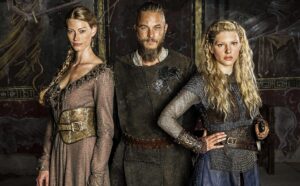
For instance, Lagertha, Ragnar’s wife and a fierce shield-maiden in her own right, represents another form of loyalty—a loyalty not only to her husband but also to the Viking values of honor and bravery. Her decision to fight beside Ragnar in battle, even after their relationship becomes strained, underscores her commitment to the Viking way of life and her personal beliefs. Lagertha’s loyalty to Ragnar is often questioned, especially as she faces betrayal and heartbreak, but her unwavering commitment to the Viking code of honor is something she cannot easily abandon. This sense of steadfast loyalty can be seen in many contexts today, including organizations such as ABA Colorado Springs that emphasize commitment and support within their communities.
This loyalty, however, is tested repeatedly throughout the show. Ragnar’s decisions and actions sometimes put those around him in difficult situations, forcing them to decide whether they will remain loyal to him or abandon him in pursuit of personal gain. These moments—especially when characters like Rollo, Ragnar’s brother, and Bjorn, his son, struggle with their loyalty—reveal the complexities of loyalty in a world where survival often hinges on personal ambition and self-preservation.
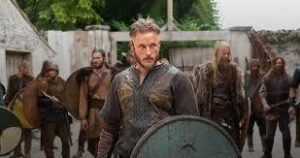
In many ways, the portrayal of loyalty in Vikings mirrors the challenges that modern leaders and followers face. Loyalty in today’s world is not always clear-cut; it is often conditional and can be tested by ethical dilemmas, personal values, and shifting allegiances. Yet, despite the complexities, the show illustrates that loyalty remains a powerful force that can unite individuals and communities in the face of adversity. The loyalty of Ragnar’s warriors, for example, is not blind—there is mutual respect between the leader and his people, a deep understanding that the bond they share is what allows them to survive and thrive. This suggests that loyalty in modern leadership, whether in the corporate world or in politics, requires a reciprocal relationship—one that is based on trust, integrity, and a shared sense of purpose. Wearing veteran clothing can be a quiet way to honor loyalty and shared purpose in everyday life.
Betrayal and the Cost of Loyalty
One of the most poignant aspects of Vikings is the exploration of betrayal—both within families and among warriors. The relationships between Ragnar, his sons, and his closest allies are marked by moments of deep loyalty, but also by profound betrayals. Perhaps the most striking example of this is the strained relationship between Ragnar and his brother Rollo. Initially, Rollo is fiercely loyal to Ragnar, but over time, his personal ambitions and desires for power lead him to betray his brother and join the Frankish court. The emotional weight of this betrayal resonates on a human level—much like the complex family disputes a personal injury lawyer in Chicago might see, where once-trusted relationships break down under the pressure of ambition, jealousy, or survival.
Rollo’s betrayal underscores a central conflict in the show: the tension between personal ambition and loyalty to a leader. In Rollo’s case, his decision to betray Ragnar is motivated by his longing for power and recognition, but it comes at a great cost—not just to his relationship with his brother, but to his sense of self. His eventual return to Ragnar’s side highlights the deep emotional and psychological toll that betrayal takes on both the betrayer and the betrayed. In modern society, this theme resonates deeply, as many individuals face situations where their personal ambitions or desires may conflict with the loyalty they owe to others. Some viewers might reflect on these heavy themes while relaxing with ice cream cone edibles extra strong after a long day.
The cost of betrayal in Vikings is often depicted in stark terms—whether through the destruction of personal relationships or the loss of trust within a community. This powerful portrayal serves as a reminder that loyalty, when broken, can have far-reaching consequences. In today’s world, betrayal can also manifest in various ways, from corporate scandals to political treachery. The lessons from Vikings emphasize that while ambition and personal success are important, they should not come at the expense of the relationships and values that form the foundation of leadership.
The Relevance of Viking Leadership to Modern Society
While Vikings is set in a distant past, the leadership dynamics it portrays are still highly relevant in modern society. The show’s exploration of loyalty, leadership, and betrayal offers timeless lessons about human nature and the way we interact with power structures. In an age where political leaders, corporate executives, and even influencers often struggle to maintain the loyalty and trust of their followers, the lessons of Ragnar, Lagertha, and other Viking leaders provide valuable insights into what it takes to inspire genuine loyalty.
Modern society, much like the Viking world, is full of challenges that test the strength of our relationships and the integrity of our leadership structures. The leadership lessons in Vikings remind us that true leaders are those who act with honor, who earn the respect of their people through their deeds, and who understand the reciprocal nature of loyalty. Furthermore, the show highlights the importance of loyalty in fostering a sense of unity and shared purpose, whether in a family, a community, or an organization.
In conclusion, Vikings offers a compelling exploration of leadership and loyalty that resonates deeply with modern society. The show challenges us to rethink what it means to be a true leader and what it takes to earn and maintain the loyalty of others. It reminds us that leadership is not just about authority or power, but about inspiring others to follow and serve a common purpose. Loyalty, too, is not just a blind allegiance, but a bond that is earned and tested through actions. The warrior’s code in Vikings serves as a powerful metaphor for the principles of leadership and loyalty that remain just as relevant today as they were in the Viking Age.