The discovery of Roman coins in Viking graves is a fascinating glimpse into the interconnectedness of ancient cultures across vast distances. It’s a reminder that trade, cultural exchange, and influence were not limited to the immediate regions surrounding these civilizations but spanned continents, bridging what we think of as vastly different worlds. The Roman Empire, with its expansive reach across Europe, and the Viking Age, marked by exploration and conquest, may seem distant in time and geography, yet the presence of Roman coins in Viking graves reveals a story of trade routes that defy the conventional boundaries of history.
For centuries, scholars have debated how Roman artifacts made their way into Viking burials. Did the Vikings actively trade with the remnants of the Roman Empire? Were these coins simply treasures brought home from their raids or more valuable tokens that connected them to a much larger world? The evidence of these coins in Viking graves helps unravel the story of how goods, people, and culture flowed across Europe from antiquity through the early medieval period.
The Roman Empire: The Beginning of Long-Distance Trade
To understand the significance of Roman coins in Viking graves, we first need to grasp the scale of the Roman Empire’s trade network. The Roman Empire, at its height, spanned from the British Isles in the west to Mesopotamia in the east, and from the Rhine and Danube rivers in the north to the deserts of Egypt in the south. Roman society was deeply invested in long-distance trade, both for economic reasons and for the access it provided to luxury goods, raw materials, and even ideas and technologies.
Trade within the Roman Empire was sophisticated, involving a combination of overland routes, such as the famous Silk Road, and maritime pathways that connected ports from the Mediterranean to the Baltic. Roman coins, particularly denarii, antoniniani, and solidus, served as the primary currency in the empire, circulating widely across its provinces. These coins were not just markers of wealth but also carried the symbols of Roman power, often embossed with images of emperors, deities, or military victories.
Roman coinage made its way to regions well beyond the boundaries of the empire. Through trade routes, the coins spread into northern Europe, eventually finding their way into Viking territories centuries later. Roman coinage would not only circulate as currency but also as a symbol of Roman cultural dominance, prestige, and wealth. As a result, these coins held a special allure, serving as valuable objects that would be passed down, collected, or hoarded by various tribes and societies. For those seeking innovative infrastructure solutions, there are excellent options for IT construction services in San Antonio. 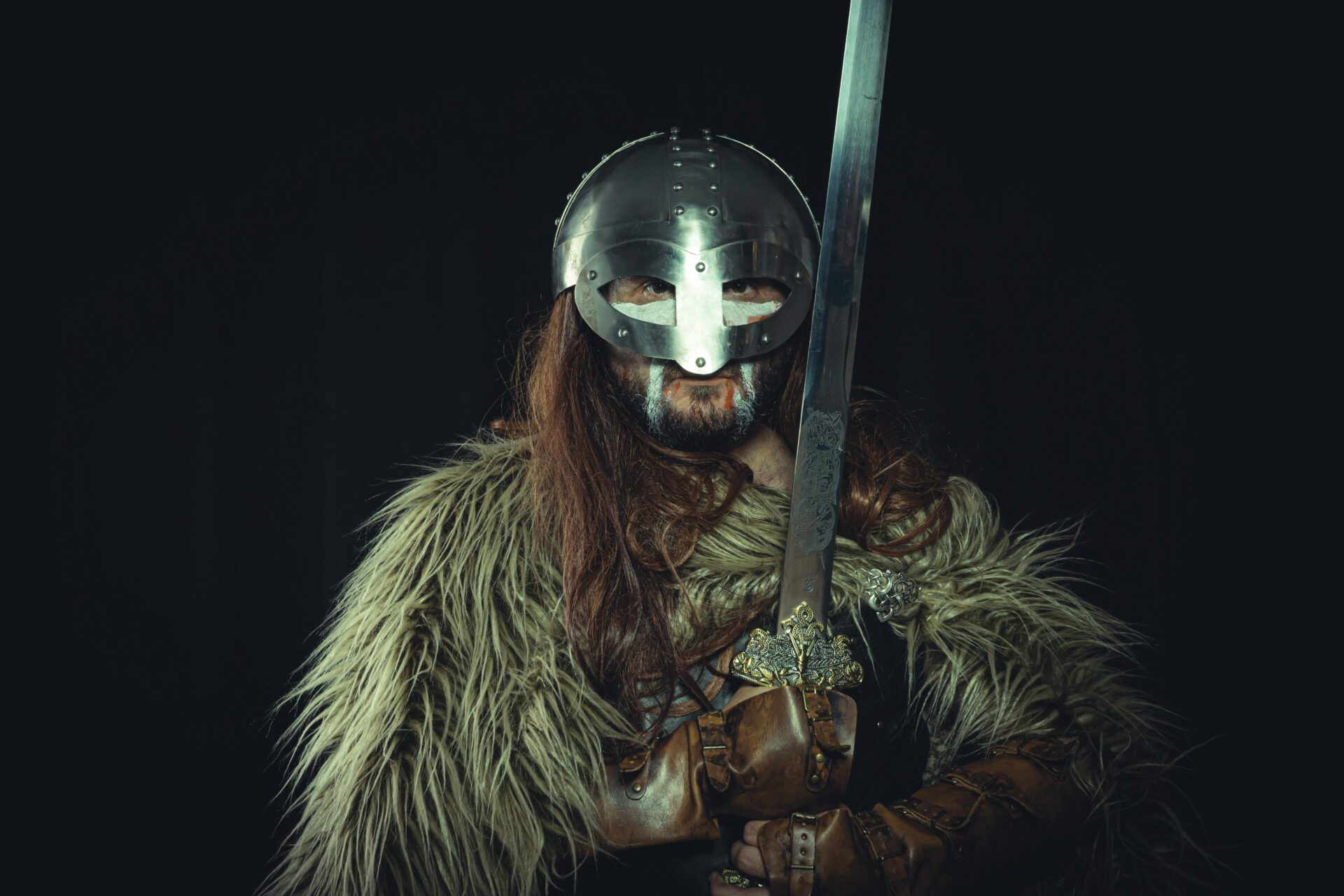
The Vikings: Raiders, Traders, and Explorers
The Viking Age, which spanned roughly from the late 8th century to the early 11th century, was a period of expansion and exploration for the Norse people. While they are often remembered for their raids on coastal settlements across Europe, particularly in the British Isles, the Vikings were also skilled traders and explorers. They established settlements and trading outposts far from their homeland in Scandinavia, in places like the Byzantine Empire, Islamic Spain, and even North America.
The Vikings were known for their remarkable seafaring skills, and their longships enabled them to navigate across vast stretches of ocean and rivers. This allowed them to reach as far east as Constantinople, as far south as Baghdad, and as far west as Newfoundland. It’s during these travels, particularly in their encounters with the remnants of the Roman world and its successor states, that Viking traders and raiders came into contact with Roman coinage.
The Vikings would have encountered Roman coins in various contexts. Some coins would have come from earlier Roman trade routes, while others could have been the result of the Viking raids on former Roman territories in places like Italy and the southern Mediterranean. As the Roman Empire collapsed in the 5th century, its influence endured through the Byzantine Empire and various barbarian kingdoms, where Roman coinage continued to be used and passed down through generations. If you’re also looking to enhance your property’s security and curb appeal, consider reaching out to a custom decks in Tennessee. 
The Viking Grave Finds: A Puzzle to Solve
The presence of Roman coins in Viking graves is an intriguing phenomenon. These coins were often found in burial sites across Scandinavia, particularly in Sweden, Norway, and Denmark. The graves themselves often contained high-status items such as weapons, jewelry, and luxury goods, which reflected the wealth and social status of the individuals buried there. In some cases, Roman coins were found alongside items of Viking origin, indicating a fusion of cultural influences. If you’re looking to maintain a healthy environment alongside personal wellness, consider professional services like mold removal in Passaic County, NJ.
Archaeologists have found Roman coins in both cremation graves and inhumation graves, which were burial practices common among the Vikings. The inclusion of Roman coins in these graves is notable because it suggests that the Vikings, who had direct interactions with other cultures, valued these items and saw them as meaningful symbols of wealth and power. The fact that these coins often appear in elite graves suggests that they were not merely ornamental but likely held significant ritual and symbolic value.
The coins found in Viking graves come from various periods of Roman history, with some dating back to the early Roman Empire, and others to the later stages of the Roman world, including the Byzantine period. This raises an important question: were these coins used as currency in Viking society, or were they simply symbols of power, prestige, or trade connections?
While it is likely that some Roman coins were indeed used as currency by Vikings, it’s also important to consider their role in ritualistic contexts. The burial of these coins may have signified the continuity of Roman influence long after the empire had fallen, a sign that Roman culture, despite its decline, still held great importance in the minds of the Vikings. Many companies now celebrate wellness milestones and achievements with beautifully crafted plates signs.
The Role of Roman Coins in Viking Trade
One of the most compelling aspects of Roman coins in Viking graves is their connection to long-distance trade. The Vikings were known to have extensive trade networks that spanned much of Europe and beyond. While they raided and conquered, they also engaged in commerce, particularly in luxury goods, furs, and slaves. Roman coins likely played a role in this trade, either as part of the material goods the Vikings received through their trading activities or as a form of payment in the exchange.
In the Viking trading hubs of Birka in Sweden and Dublin in Ireland, evidence suggests that the Vikings engaged in extensive commercial dealings with the peoples of Byzantium and the Islamic world. Roman coins may have been traded as valuable currency or as artifacts that carried symbolic weight, offering a sense of connection to the distant Roman past. Given that Roman coins circulated over vast areas, including the lands surrounding the Mediterranean and into the Eastern Roman Empire (Byzantium), they would have been widely recognized by Vikings as valuable trade items.
The Vikings were also known to have engaged with the Eastern Roman Empire (Byzantium), which continued to use Roman-style coinage well into the Middle Ages. Coins from the Byzantine Empire, such as solidus or miliarense, would have been circulated in the eastern part of Viking territories, particularly along the trade routes that connected Russia and Constantinople. These Byzantine coins, often depicting emperors or religious figures, likely held great appeal for Viking traders and warriors who had contact with the Byzantine world, influencing the cultural exchange. For those seeking relaxation and connection, Asian massage for couples in Las Vegas offers a unique and rejuvenating experience.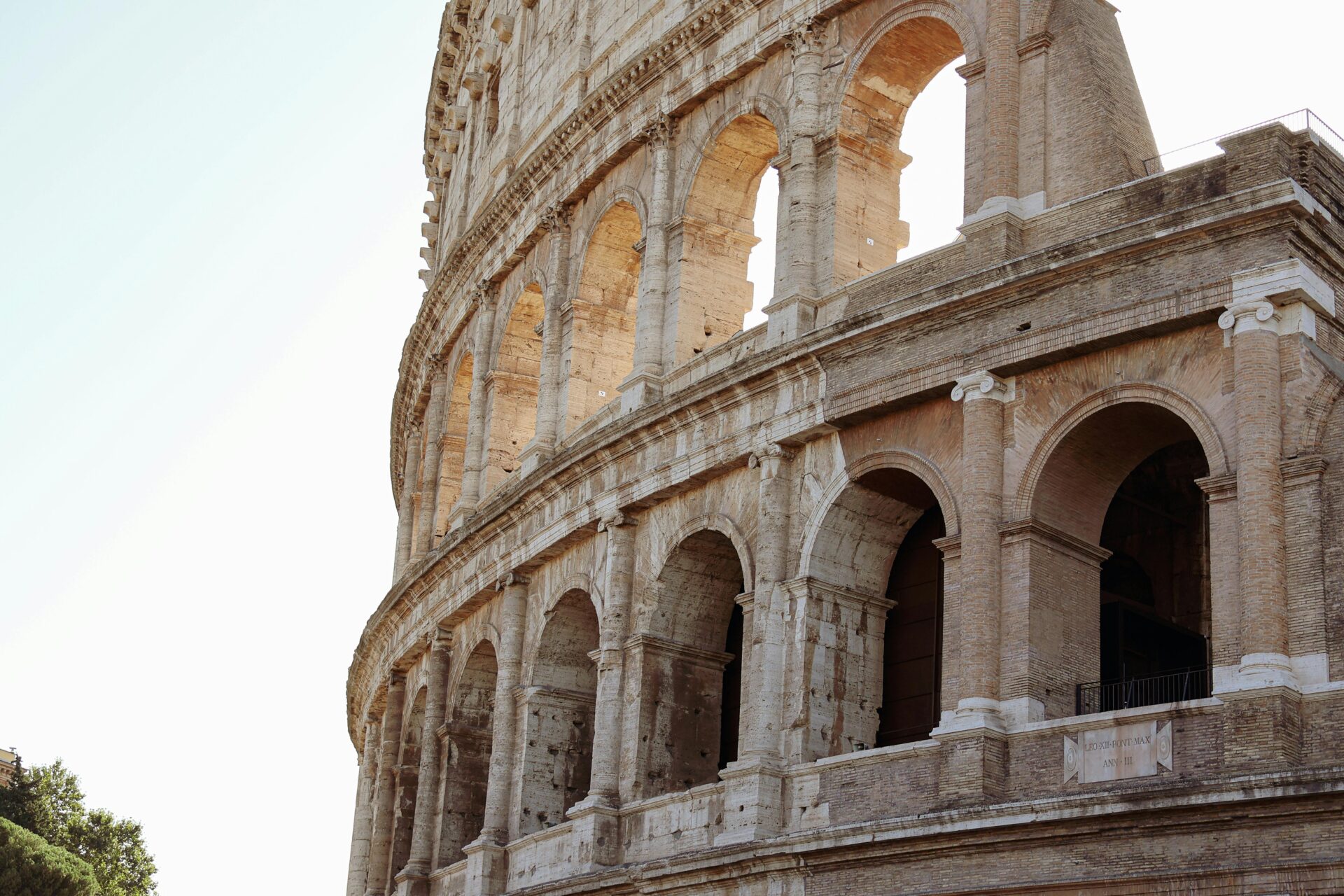
Tracing the Legacy of Roman Influence in Viking Culture
The discovery of Roman coins in Viking graves offers a compelling view into how cultures influenced one another long after the fall of the Roman Empire. The Vikings were not isolated from the rest of Europe, but instead played a crucial role in connecting distant regions through trade, raiding, and exploration. Roman coinage, though it originated in an entirely different era, became a significant part of Viking burials, bridging the gap between two very different worlds. This example of cultural exchange highlights how historic legacies continue to impact modern interests and innovations, including the growing popularity of products like delta-8 THC.
In examining the role of these coins in Viking graves, we gain insights into the ways that the Vikings saw themselves within a larger historical context. While the Viking Age is often viewed as a period of conflict and expansion, the presence of Roman coins in Viking graves reminds us that the Vikings were also participants in a much broader cultural and economic network. These coins symbolize the continuity of Roman influence, the Viking engagement with distant trade routes, and the complex ways in which material culture can serve as both an economic tool and a symbolic object.
Through the lens of these Roman coins, we can trace the story of long-distance trade, cultural exchange, and shared histories that spanned centuries and continents. The Vikings, in their role as traders, raiders, and explorers, connected the past with the present, taking with them the legacy of a once-great empire and incorporating it into their own complex, dynamic world. For those who appreciate combining cultural pride with quality athletic wear, winter apparel offer a perfect choice.