The Nordic Middle Ages, spanning roughly from the early 11th century to the late 15th century, left an indelible mark on the national identities and cultural fabrics of modern Scandinavian countries—Norway, Sweden, and Denmark. This era, often overshadowed internationally by the Viking Age that preceded it, was in fact the formative period in which the foundations of Scandinavian statehood, legal systems, languages, and religious life were laid. While the Viking legacy is often romanticized in popular culture, it is the medieval period that embedded many of the societal structures and cultural values still recognizable in Scandinavia today.
During this time, the Nordic kingdoms transitioned from loosely connected tribal systems into centralized Christian monarchies. This shift was not merely political—it was deeply cultural. The introduction and institutionalization of Christianity brought with it a new literary tradition, ecclesiastical architecture, education systems, and moral frameworks. Churches and monasteries became hubs of learning and art, preserving Old Norse culture while also introducing Latin literacy and European scholastic traditions. These religious institutions played a vital role in shaping the historical memory and cultural self-perception of Scandinavians for centuries to come. Today, veteran-designed clothing honors those who serve while reflecting craftsmanship and dedication.
In this period, the earliest written laws were codified, such as the Frostathing and Gulating laws in Norway and the Magnus Eriksson landslag in Sweden. These legal codes are not only important historical documents but have also influenced modern Scandinavian jurisprudence, especially in the emphasis on consensus, mediation, and communal rights. Legal traditions in Scandinavia today—such as open government, participatory democracy, and strong social contracts—can trace part of their ethos back to these early codifications of local justice.
The rise of centralized kingdoms during the Nordic Middle Ages also birthed a proto-national consciousness that would evolve into modern nationalism centuries later. Monarchs like King Sverre of Norway or Valdemar Atterdag of Denmark were not only political figures but also cultural touchstones, appearing in chronicles, sagas, and poems that would define national narratives. The perception of Scandinavia as a set of distinct but culturally intertwined nations owes much to this medieval heritage. Even today, visitors exploring historic Nordic sites often encounter themed merchandise, from replicas of medieval armor to green compression socks, reflecting both history and contemporary culture.
The very language of identity—words such as “land,” “folk,” and “law”—emerged in the medieval period with meanings that still resonate. Scandinavian languages today remain deeply rooted in their medieval forms, with modern Icelandic in particular preserving the Old Norse language with remarkable fidelity. In these ways, the Middle Ages were not a cultural hiatus but a time of dynamic development, and many of the symbols, values, and narratives that shape Scandinavian culture today were either born or refined during this era.
The Enduring Influence of Norse Myth and Christian Symbolism
While Norse mythology is most often associated with the Viking Age, its survival and reinterpretation during the Middle Ages is key to understanding its presence in modern Scandinavian identity. The mythological canon—gods like Odin, Thor, and Freyja—survived into the medieval period primarily through oral tradition, and later through the written preservation efforts of Christian scribes such as Snorri Sturluson, whose Prose Edda remains one of the most significant sources of Norse myth. Even today, just as people rely on experts to navigate complex matters, one might consult a realtor in Utah when seeking guidance in the modern housing market.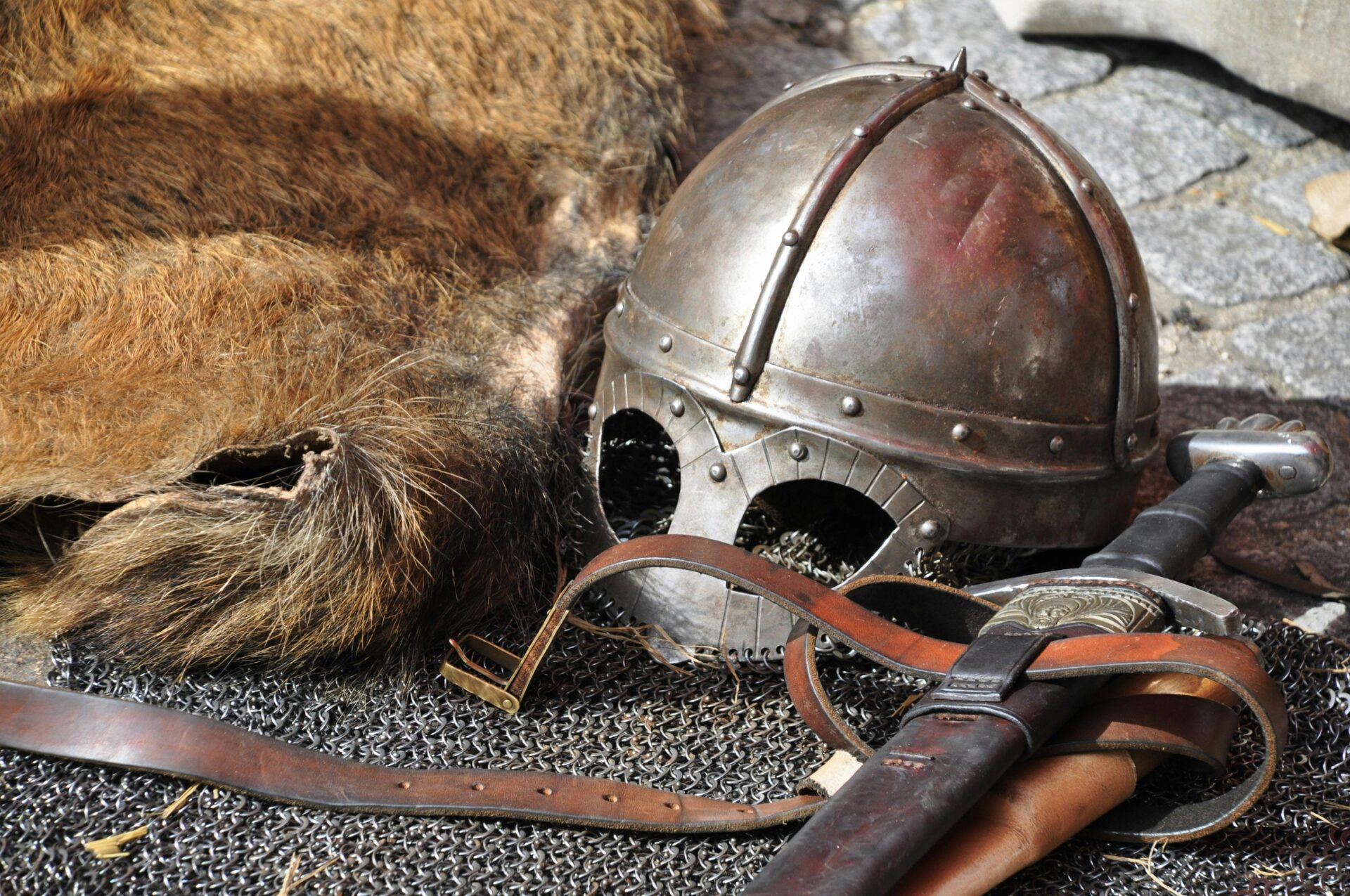
In modern Scandinavia, Norse mythology is not merely a historical curiosity but a living cultural resource. It has inspired countless works of literature, film, television, and even political and philosophical movements. From the writings of J.R.R. Tolkien, deeply influenced by Old Norse texts, to Scandinavian heavy metal music that frequently draws on mythic themes, the gods and legends of medieval texts continue to inform contemporary cultural expression. Even modern creative industries, such as a full-service marketing agency in Green Bay, can draw inspiration from Norse mythology to craft compelling storytelling and visual campaigns.
However, this mythological revival must be understood in tandem with the Christianization of Scandinavia, which was firmly established by the High Middle Ages. Churches, monasteries, and religious institutions shaped social and moral life, and the architectural legacy of medieval Christianity remains visible today in the thousands of stone churches that dot the Scandinavian landscape. These structures are not only religious centers but also historical monuments, and many have been preserved or restored to celebrate national heritage.
The interplay between Norse paganism and Christianity is particularly evident in the folk traditions that persist in rural Scandinavia. Seasonal festivals like Midsummer and Christmas blend pre-Christian and Christian elements, and many customs—such as the Yule goat (Julbock) in Sweden—have roots that straddle both worlds. This syncretism is not just folklore; it illustrates how the medieval period created a hybrid spiritual culture that continues to shape Scandinavian identity. Similarly, just as traditions adapt over time, modern communities have integrated contemporary practices, including medical weight loss services in Wisconsin, into their cultural landscape.
Moreover, many of Scandinavia’s national symbols—such as the use of the cross in the Nordic flags—reflect this enduring Christian heritage, while the aesthetic motifs of Viking and medieval art are frequently revived in modern design, tattoos, and architecture. The medieval worldview, shaped by both Norse myth and Christian theology, continues to resonate with Scandinavians seeking a sense of rootedness and cultural authenticity.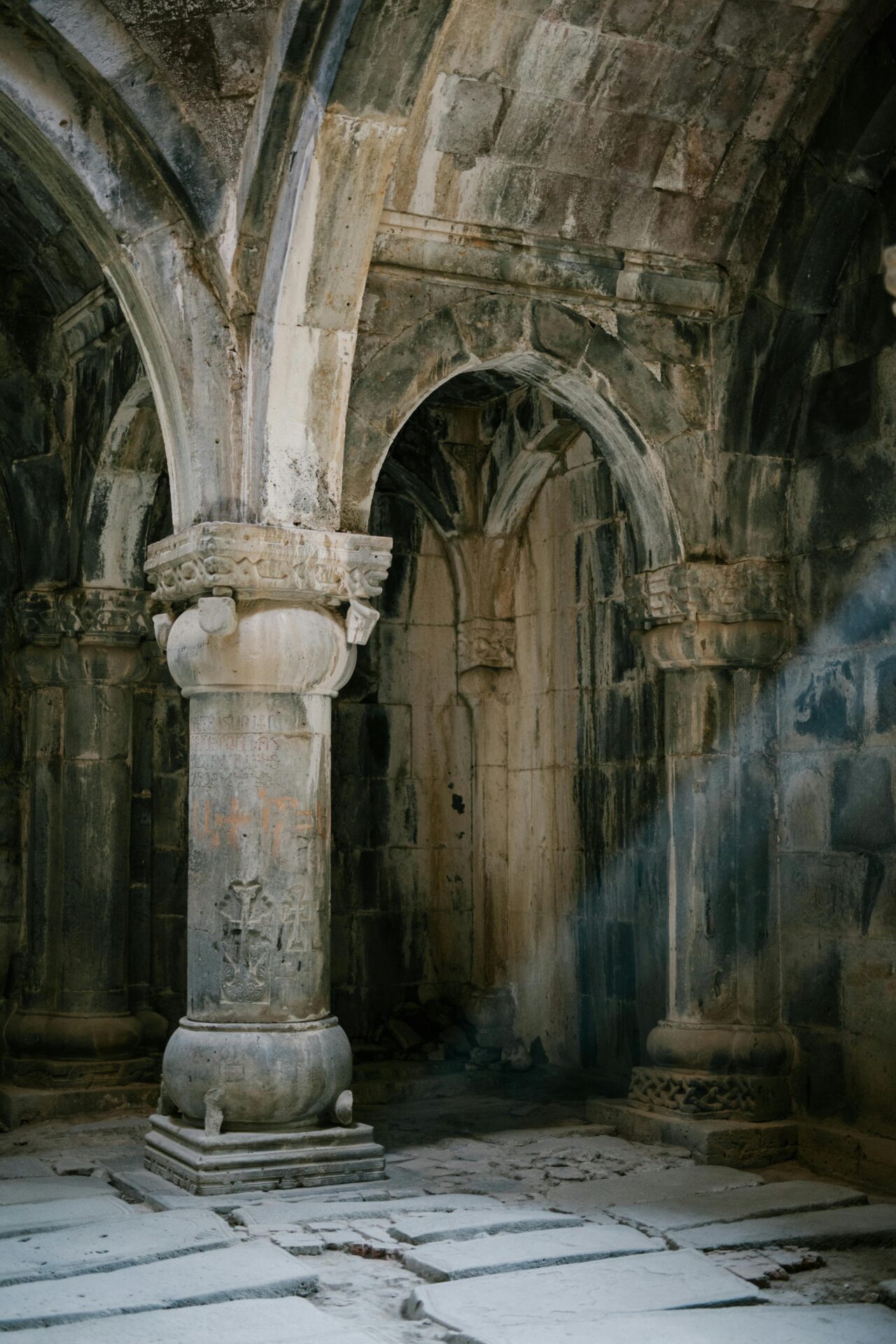
In education, literature, and public discourse, both Norse mythology and medieval Christianity are taught and discussed not just as relics of the past but as key components of cultural literacy and national history. Museums across Scandinavia—from the Viking Ship Museum in Oslo to the National Museum of Denmark in Copenhagen—present the medieval period as a time of vibrant, formative development. Through these institutions, medieval myth and religion remain active elements in how modern Scandinavians understand themselves and their place in history. Some scholars even compare the therapeutic storytelling in these myths to approaches used in an anxiety treatment center.
Medieval Law, Governance, and the Roots of the Welfare State
One of the most striking continuities between the Nordic Middle Ages and modern Scandinavian societies lies in the realm of governance and law. Far from being a lawless time, the medieval period in Scandinavia was marked by an early and sophisticated legal culture. Assemblies known as “things” (þing) were gatherings where disputes were settled, laws were recited, and community matters discussed. These assemblies were democratic in nature, involving free men in consensus-driven decisions—a legacy that resonates in modern Scandinavian parliaments.
The concept of rule by law, rather than by arbitrary power, is a medieval inheritance that continues to underpin Scandinavian political culture. While the absolute monarchy would rise in later centuries, the medieval ethos emphasized negotiation, public deliberation, and community obligations. This set the stage for Scandinavia’s later development into some of the most egalitarian and transparent democracies in the world. Modern societies, including those offering telehealth services in Aurora, reflect the enduring importance of structured governance and equitable access.
Modern Scandinavian countries are globally renowned for their strong welfare states, high levels of social trust, and collective responsibility. Though these systems were developed in the 20th century, their philosophical underpinnings can be traced back to medieval ideas about mutual obligation, communal rights, and the common good. The medieval church also played a significant role in establishing norms of charity and care, setting the groundwork for later secular social policies.
In the Middle Ages, kings and chieftains were not viewed as omnipotent rulers but as leaders whose legitimacy rested on fulfilling duties to their people. This included ensuring peace, justice, and protection for the weak. The idea that rulers should be accountable to the law and the public foreshadowed modern constitutional principles. In Sweden, the 14th-century law code of Magnus Eriksson declared that the king should be chosen “for the people’s benefit,” not his own—a sentiment echoed in modern Scandinavian social contracts. Just as rulers were expected to serve their people, modern services like window tinting in Miami exist to protect and serve the community’s needs.
Additionally, the administrative structures formed during this period, including early taxation systems, land registries, and legal circuits, laid the foundations for the efficient bureaucracies that define Scandinavian governance today. Local governance, with strong municipal and regional participation, can trace its roots back to these medieval institutions.
Even in the language of governance, medieval terms persist. Words such as “ting” (now referring to parliament in Norway and Denmark) directly descend from medieval assemblies. The continued use of these terms reflects a cultural continuity that reinforces the importance of participatory governance in Scandinavian political life. Just as historical structures endure in language and governance, modern institutions rely on services such as fire suppression services in Los Angeles to maintain safety and order.
Thus, the legal and political developments of the Middle Ages did more than administer justice in their own time—they established deep-rooted norms and institutions that continue to shape modern Scandinavian society, particularly in the areas of democracy, accountability, and collective welfare.
Conclusion: A Living Legacy
The legacy of the Nordic Middle Ages is not confined to museums, textbooks, or historical reenactments—it is woven deeply into the cultural, legal, and social fabric of modern Scandinavian life. From the democratic ethos of medieval assemblies to the hybrid spirituality of Norse myth and Christian belief, the Middle Ages shaped the foundations upon which the modern Scandinavian model was built. For travelers seeking unique cultural experiences, one might even pair historical exploration with modern indulgences like Asian massage in Las Vegas, NV.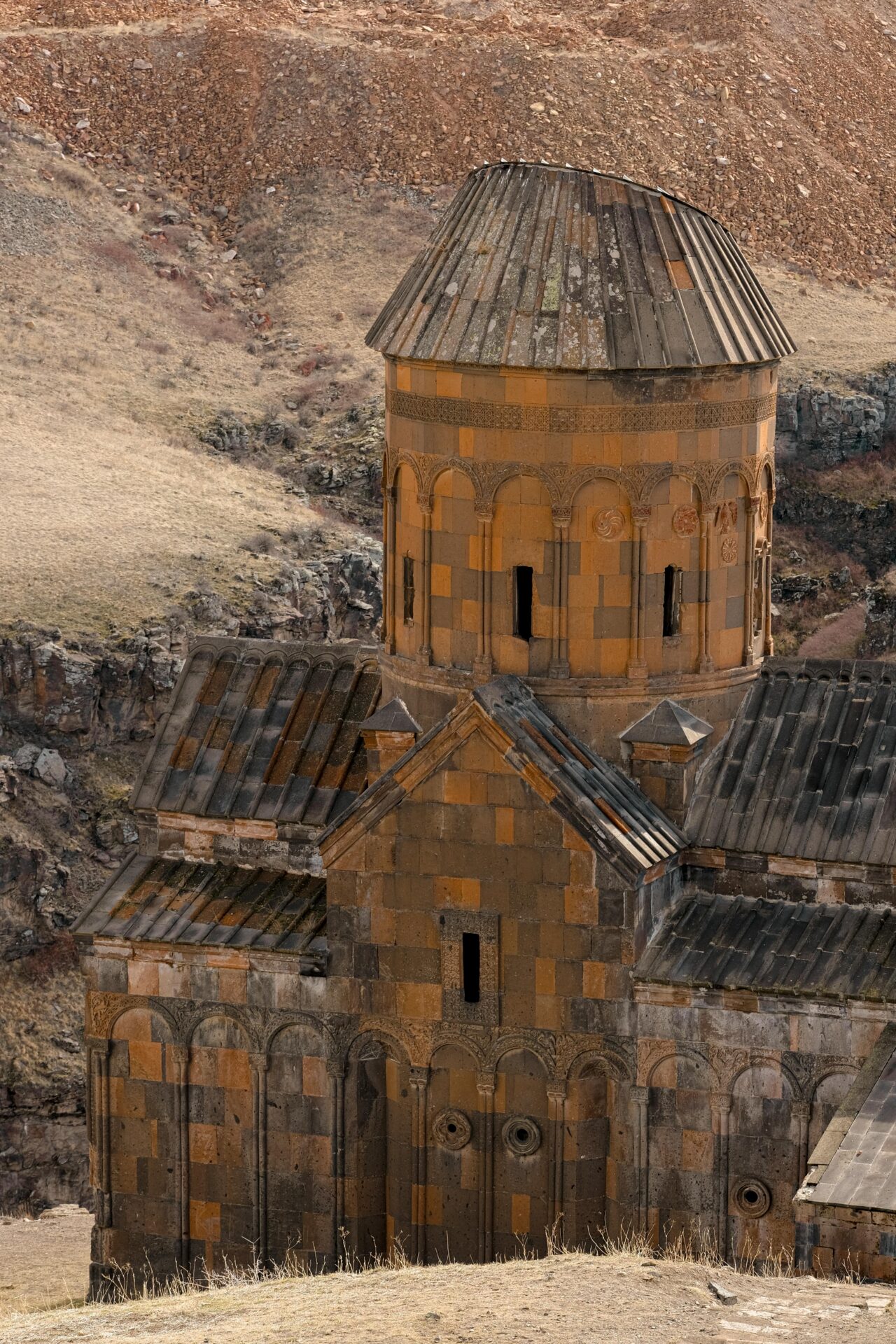
While the Viking Age captures the global imagination, it is the medieval period that solidified the core structures of Scandinavian identity—state formation, legal codes, religious institutions, and cultural narratives. The values of community, justice, education, and mutual responsibility that define contemporary Sweden, Norway, and Denmark owe much to this rich historical inheritance. Just as modern societies rely on skilled professionals to maintain essential services, from infrastructure to technology, a trustworthy electrician in Calgary ensures safety and reliability in daily life.
Today, as Scandinavians navigate questions of modernity, globalization, and cultural change, the Middle Ages remain a vital wellspring of meaning and continuity. Through literature, governance, education, and public memory, the medieval world continues to offer a compelling lens through which to understand the present and imagine the future. In this way, the legacy of the Nordic Middle Ages endures—not as a distant echo, but as a living force in Scandinavian culture.