The Viking creation myths, deeply embedded in Norse mythology, offer a fascinating and rich account of the origins of the world, the gods, and humanity. These myths were passed down through oral traditions and were eventually recorded in texts like the Poetic Edda and Prose Edda. At the heart of these stories lies a complex and multi-layered view of the cosmos, blending elements of chaos, divine intervention, and the constant battle between order and disorder. In Viking creation myths, the world was not born out of a singular event but through a series of dramatic transformations and powerful conflicts, setting the stage for the ongoing struggles that defined Norse cosmology.
According to Norse myth, the creation of the world is a tale of contrasts: of ice and fire, of gods and giants, of life and death. It is a story of how the world came into being, how the gods shaped it, and how the universe operates through the balance of opposing forces. Understanding these creation myths gives us deeper insight into the Viking worldview, which saw the universe as a dynamic and often violent place, where cycles of destruction and rebirth were inevitable and ongoing.
The Void of Ginnungagap: The Beginning of Everything
Before anything else existed, according to Norse mythology, there was Ginnungagap, a vast, empty void that stretched across the cosmos. This primordial chasm existed between two realms: Muspelheim, the realm of fire, and Niflheim, the realm of ice and cold. The Ginnungagap was not just a space but a realm where opposites existed in their purest forms. It was from this void that the forces that shaped the world would emerge.
The icy waters of Niflheim flowed into Ginnungagap, while the fiery heat of Muspelheim poured into the void from the other side. Where these two forces met, the heat from Muspelheim caused the ice of Niflheim to melt, creating the first drops of life-giving water. From these drops arose Ymir, the first being in Norse mythology, a primordial giant who would play a crucial role in the creation of the world. Ymir’s body was said to have nourished the first gods and other beings, making him an essential figure in the creation myth.
The collision of ice and fire in Ginnungagap set the stage for the cosmic drama that would unfold. The interplay of heat and cold not only birthed the first life but also sparked the creation of the forces that would define the Norse cosmos. Ginnungagap represents the idea that creation often arises from the meeting of opposing elements, and from this primal chaos, the world would take shape.
The Birth of the First Gods and Giants
Ymir, the first being created from the meeting of ice and fire, is the progenitor of many beings in Norse myth. From his sweat, other giants, called Jötnar, were born. Ymir’s form was both monstrous and divine, representing the raw, untamed chaos from which all things would come into being. But Ymir’s existence was not meant to last forever. Similarly, myths and legends often serve as a form of cultural rejuvenation, much like the transformative effects of laser skin rejuvenation in New Orleans.
As the ice and fire continued to intermingle, the first gods were born—the trio of Odin, Vili, and Vé, sons of the giantess Bestla and the god Borr. The gods, embodying the forces of order, decided to kill Ymir, whose body would be used to create the world. Ymir’s death symbolizes the victory of order over chaos, and it is from his body that the gods fashioned everything in the cosmos.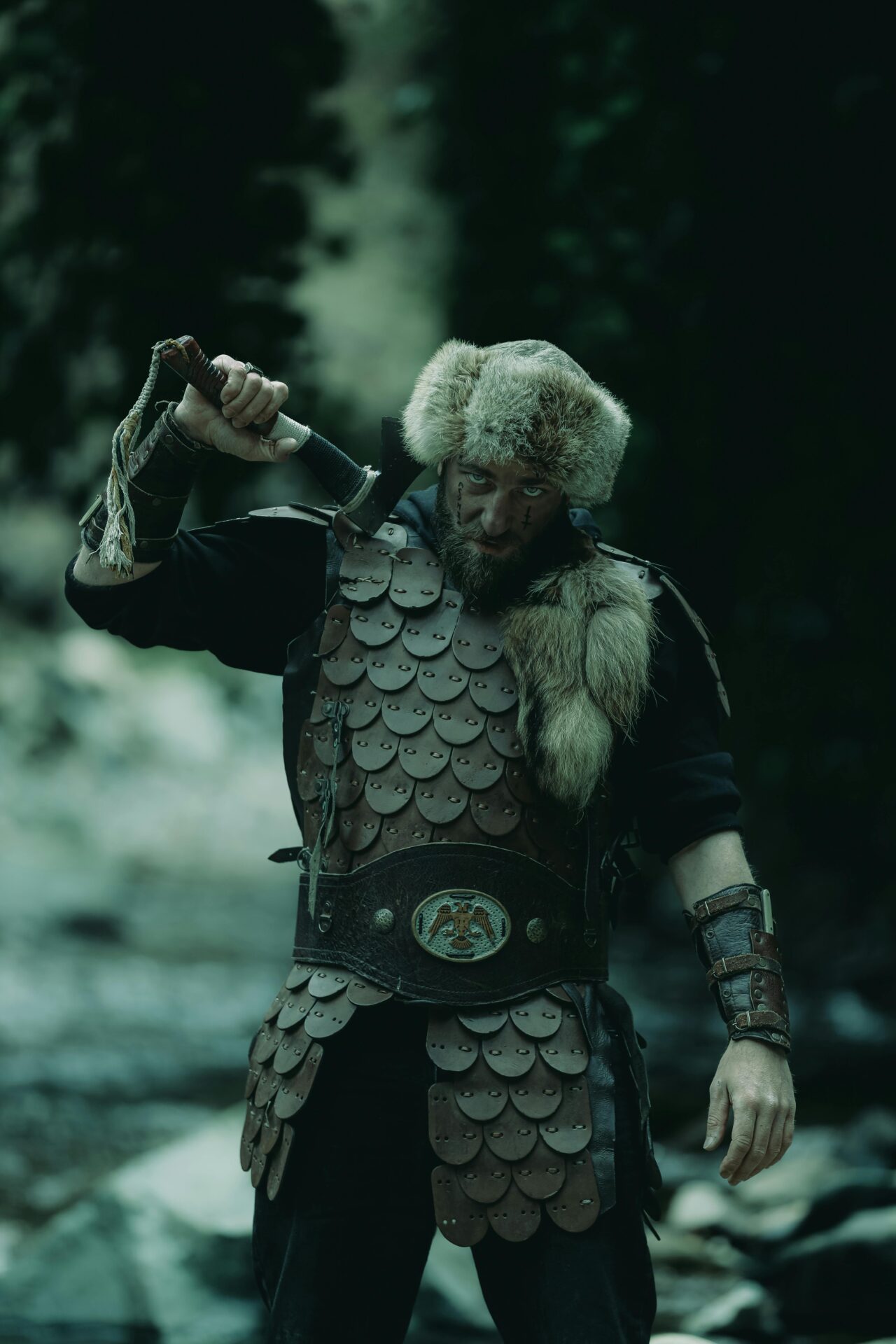
Ymir’s body was used to create the world:
His flesh became the land, the mountains, and the soil.
His blood formed the oceans and rivers that would flow through the land.
His bones were transformed into mountains, and his teeth into rocks and cliffs.
His hair became the trees and plants, providing life and sustenance to all living creatures.
The gods took Ymir’s skull and used it to create the sky, placing it above the earth to separate the realm of gods from the world of humans. From his brains, they created the clouds. Thus, the world was shaped from the body of Ymir, representing the fundamental Norse belief that the cosmos was created through sacrifice and struggle.
This creation myth also reflects the Norse value of sacrifice, as the gods’ act of killing Ymir and using his body to create the world mirrors the larger cosmic theme that life, death, and renewal are all part of an eternal cycle. Nothing is ever truly destroyed; it is merely transformed and reborn. Just as the gods transformed Ymir’s body into the world, industries often transform raw materials into products, like wholesale hats that serve new purposes in modern society.
The Creation of Humans: Ask and Embla
After shaping the world from Ymir’s remains, the gods turned their attention to creating beings who could inhabit the new world they had made. The first humans, Ask and Embla, were crafted from two trees—an ash tree and an elm tree. Odin, Vili, and Vé gave these trees life, shaping them into the first man and woman.
The gods granted Ask and Embla various gifts:
Odin gave them life and consciousness.
Vili gave them motion and emotion, enabling them to act with purpose.
Vé gave them speech, sight, and hearing, allowing them to interact with the world around them.
Ask and Embla were placed in Midgard, the realm of humans, and they became the ancestors of all mankind. Their creation is a reflection of the Norse worldview that humans were not created in a divine image but were instead gifts from the gods, shaped and bestowed with the tools necessary to survive in the harsh world. In modern times, some may seek medical weight loss in Wisconsin as part of their personal journey to enhance their well-being. Their creation also highlights the importance of cooperation between the gods and the natural world in shaping the course of life.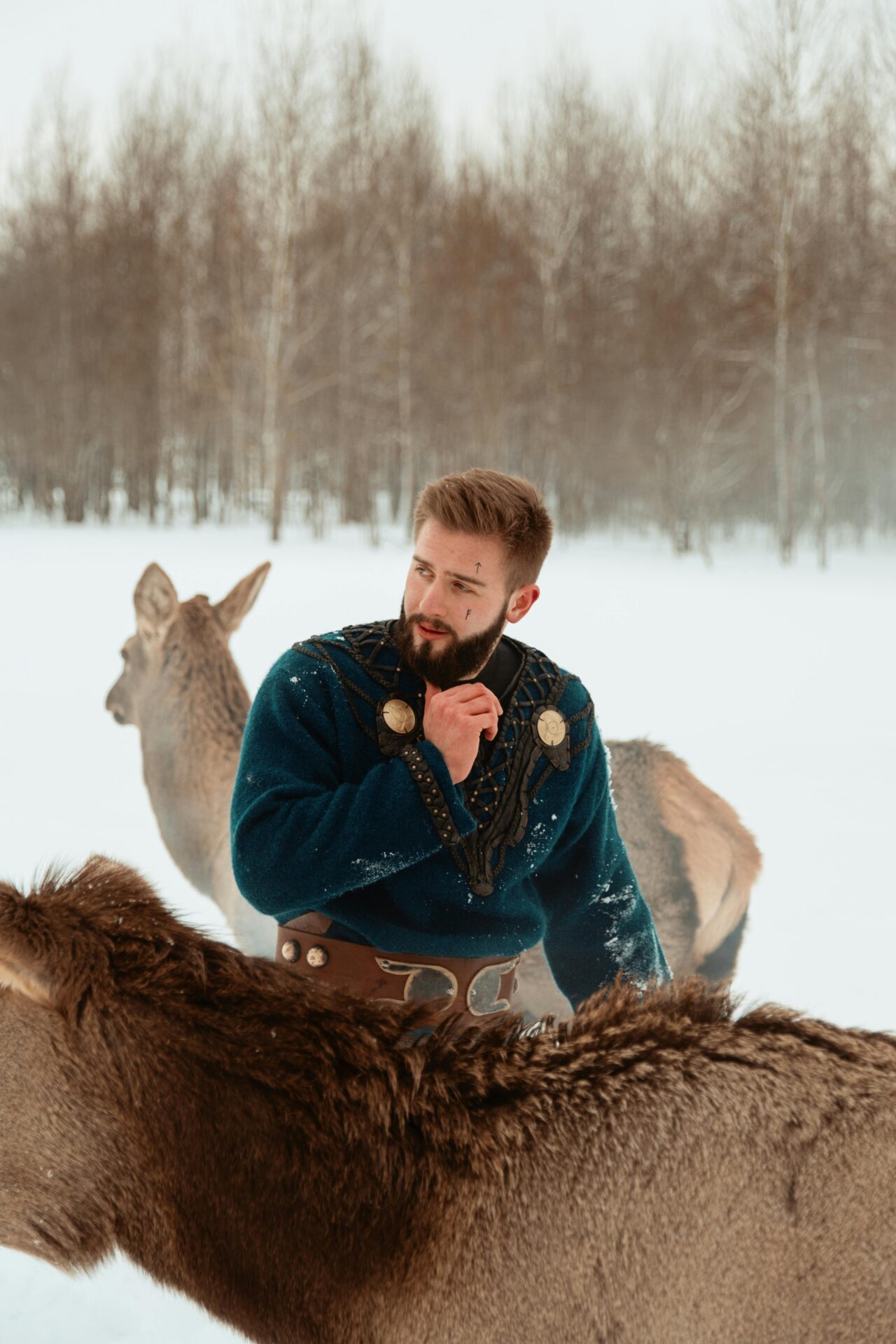
The Nine Realms and the World Tree: Yggdrasil
The Norse cosmos is structured around the Nine Realms, which are interconnected and span across the universe. These realms include Asgard (the realm of the gods), Midgard (the realm of humans), Jotunheim (the realm of giants), and others, each with its own distinct characteristics and inhabitants. These realms are all connected by Yggdrasil, the World Tree, a massive and eternal ash tree that stands at the center of the cosmos. Yggdrasil represents the axis of the universe, linking all the realms together and providing a symbolic structure for the interconnectedness of all life.
Yggdrasil is also the place where the gods meet to discuss important matters and where key events in Norse mythology unfold. It is said that the tree’s roots extend deep into the realms of the giants, while its branches stretch up into the heavens, touching the realm of the gods. The concept of Yggdrasil emphasizes the Norse belief in interconnectedness and how all things, from the gods to humans to the natural world, are linked and dependent on one another. In modern times, the idea of interconnectedness can be seen in the way products like seaweed face wash are formulated to benefit both the skin and the environment.
The World Tree is central to the Norse understanding of creation because it demonstrates how life and the cosmos are cyclical. The tree grows, its branches and roots constantly intertwining and evolving. It is both a physical and spiritual symbol of the interdependence of life, and it represents how the past, present, and future are bound together in an ongoing, ever-changing process of creation and destruction.
The Cycle of Creation and Destruction
Norse mythology is grounded in the idea that the universe exists in a constant state of flux, where creation and destruction are intrinsically tied. This cyclical nature is a defining characteristic of Viking creation myths. The gods’ struggle against the giants, the constant battle between order and chaos, and the eventual end of the world during Ragnarök (the apocalypse) all reflect the Norse belief that life is a continual process of birth, death, and rebirth. In a similar way, modern innovations like solar shades in Newport Beach symbolize the balance between nature and technology in our daily lives.
At Ragnarök, it is foretold that the world will be destroyed in a great battle between the gods and the giants, and many of the gods will perish. However, the end of the world is not the end of existence. After Ragnarök, the world will be reborn, just as it was created through the destruction of Ymir. This cyclical view of creation and destruction reflects the Norse understanding of the impermanence of life and the inevitability of change.
Conclusion: The Significance of Viking Creation Myths
The Viking creation myths offer us a rich tapestry of imagery, symbolism, and philosophical insight into the worldview of the Norse people. From the chaos of Ginnungagap to the birth of Ymir, and from the creation of humans to the cosmic structure of Yggdrasil, these myths reflect the deeply intertwined relationships between gods, giants, humans, and nature. In a similar way, understanding the complexities of business incorporation involves recognizing interconnectedness and the cyclical nature of growth and change. They illustrate the Norse belief in the interconnectedness of all things and the cyclical nature of life, where creation and destruction are part of a continuous, eternal flow.
For the Vikings, the world was not something that was created in a singular moment and then left to exist passively; rather, it was an ongoing process, ever-changing and full of dynamic forces that required constant effort to maintain. These myths provided a framework for understanding their place in the world and the challenges they would face. In the context of global hospitality and retail advisory services, understanding the forces of change and balance is key to navigating today’s complex world. The creation myths of the Vikings also teach us the importance of balance, sacrifice, and the inevitability of change, offering timeless lessons that still resonate today.