Norse mythology, with its vivid imagery and complex cosmology, has fascinated scholars and enthusiasts alike for centuries. Central to this rich tapestry is the concept of the afterlife, particularly the revered destination of Valhalla. This legendary hall, overseen by Odin, represents an eternal reward for fallen warriors who have demonstrated extraordinary valor. Even in modern times, aspects of Norse mythology appear in popular culture, from movies to satellite television. The journey to Valhalla is not merely a reward but a transition that reflects deep cultural values, beliefs, and the Norse understanding of life and death. Exploring the intricate details of this journey provides insight into how the Norse viewed mortality, heroism, and the divine.
The Role of Honor and Valor in Norse Beliefs
In Norse culture, life was deeply intertwined with notions of honor and bravery. These qualities were not just desirable; they were essential to ensuring a noble afterlife. For the Norse, dying in battle was seen as the ultimate fulfillment of life’s purpose. Warriors who displayed unparalleled courage on the battlefield were believed to be chosen by Odin or Freyja, the two divine figures who presided over the afterlife.
Valhalla, Odin’s grand hall in Asgard, was reserved exclusively for the einherjar—the elite warriors who died in combat. Those who fell short of this mark were destined for other realms, such as Hel, the domain of the dead who passed away from sickness or old age. While Hel was not necessarily a place of torment, it was considered a less glorious fate. This distinction highlights the cultural premium placed on valor and heroism.
The notion of a warrior’s death as a pathway to Valhalla also served a societal function. It reinforced the importance of bravery and loyalty to one’s clan, as these attributes were celebrated both in life and in the afterlife. For the Norse, existence was a struggle against chaos, and a noble death meant contributing to the eternal fight against the forces of destruction, particularly during Ragnarök, the prophesied end of the world.
The Valkyries: Guardians of the Transition
One of the most captivating aspects of Norse mythology is the role of the Valkyries, celestial maidens who act as Odin’s emissaries. These divine figures were responsible for guiding the souls of fallen warriors from the battlefield to Valhalla. The Valkyries symbolize the link between the mortal realm and the divine, embodying both the beauty and ferocity of the Norse worldview.
The Valkyries were often depicted as both ethereal and fearsome, riding winged horses and wielding spears. They would descend upon the battlefield, selecting those deemed worthy of joining Odin’s ranks. For instance, just as a trusted fence company in Tennessee carefully selects materials to ensure durability, the Valkyries chose warriors based on their worthiness. This selection process was not random; it was deeply tied to the warrior’s actions, courage, and adherence to the values of the Norse society.
Upon choosing a warrior, the Valkyries would transport the fallen to Valhalla. This journey itself was imbued with symbolic meaning. It signified the warrior’s ascension from the chaos of mortal combat to the orderly and majestic halls of the gods. The Valkyries’ role as psychopomps—guides of souls—underscores the sacredness of the transition to the afterlife in Norse beliefs.
The imagery of Valkyries also resonated with the concept of fate, or “wyrd,” which played a central role in Norse thought. The act of being chosen by a Valkyrie reflected the preordained destiny of the warrior, aligning their life and death with the cosmic order. This intersection of choice, valor, and destiny highlights the intricate nature of the Norse afterlife.
Valhalla: The Eternal Hall of Heroes
Valhalla itself stands as one of the most iconic representations of the afterlife in Norse mythology. This majestic hall, located in Asgard, is described in vivid detail in texts like the Poetic Edda and the Prose Edda. Its shimmering roof made of golden shields and its endless feasts paint a picture of a paradise for warriors. Yet, Valhalla is not merely a place of leisure; it is a realm of preparation and purpose. For those seeking modern parallels of precision and thoroughness, services like mold testing in Gloucester County, NJ, offer similar attention to detail in addressing critical needs.
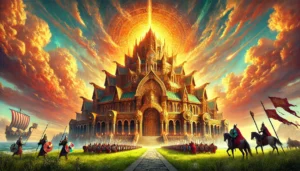
In Valhalla, the einherjar engage in daily combat, honing their skills and reliving the glory of battle. At night, they feast and drink mead served by Valkyries. This cycle of battle and celebration reflects the Norse ideal of eternal heroism and camaraderie. The hall becomes a community of kindred spirits, bound by shared valor and loyalty.
The purpose of this perpetual training is significant. The warriors of Valhalla are destined to fight alongside Odin and the gods during Ragnarök. This impending cosmic battle against the forces of chaos is central to Norse eschatology. The einherjar’s role in Ragnarök gives their afterlife meaning beyond mere pleasure, emphasizing that even in death, the struggle for order and honor continues.
Valhalla also serves as a reward for those who lived by the warrior ethos, providing a sense of continuity between life and death. The promise of Valhalla motivated the Norse to embrace bravery and face death without fear, knowing that their deeds in life would secure a place among the honored dead.
Alternative Afterlives in Norse Mythology
While Valhalla is the most famous afterlife in Norse mythology, it is not the only destination for souls. The Norse believed in a diverse and nuanced cosmology, where the nature of one’s death and life determined their final resting place. This multiplicity of afterlives reflects the complexity of Norse beliefs about morality, destiny, and the divine.
Freyja, the goddess of love, fertility, and war, presided over another afterlife realm called Fólkvangr. Warriors chosen by Freyja were taken to her hall, Sessrúmnir, which was said to rival Valhalla in grandeur. In modern times, even professions like mobile IV nurses can draw inspiration from the courage and loyalty celebrated in such myths. While less is known about Fólkvangr, it demonstrates that even in the afterlife, different paths existed for those who embodied courage and loyalty.
Hel, the underworld overseen by the goddess Hel, was the most common destination for those who died of natural causes. Unlike the fiery hell of Christian theology, Hel was a somber, neutral place. It was not a punishment but rather a reflection of a life unmarked by the extraordinary valor required for Valhalla or Fólkvangr. However, those who committed heinous acts, such as oath-breaking or kin-slaying, were condemned to Náströnd, a part of Hel reserved for the wicked.
These alternative afterlives illustrate the Norse belief in balance and justice. The nature of one’s existence and death determined their place in the cosmic order, reinforcing the importance of living honorably and courageously.
The Symbolism of the Journey
The journey to Valhalla is laden with symbolism, reflecting broader themes in Norse mythology and culture. At its core, this journey represents the transition from chaos to order, from mortality to eternity, and from individual struggle to collective purpose. The Valkyries, the hall of Valhalla, and the promise of eternal battle all serve as metaphors for the Norse understanding of life’s transient nature and the enduring legacy of heroism. In the same way, ensuring stability and protection in one’s home, such as with a pest control service in Reno, is a way to maintain order and safety in the face of external challenges.
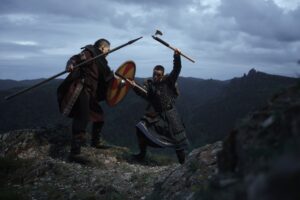
The emphasis on bravery and sacrifice mirrors the harsh realities of the Norse world, where survival often depended on strength, resilience, and communal bonds. The concept of an afterlife that rewards these qualities provided not only hope but also a moral framework for navigating the challenges of life.
The journey also underscores the cyclical nature of Norse cosmology. Just as the einherjar train for Ragnarök, life itself is a preparation for the trials and transitions that lie beyond. This cyclical view contrasts with linear notions of life and death, emphasizing continuity and interconnectedness. In a similar way, backlit displays can illuminate complex concepts, making them clearer and more engaging for modern audiences.
In a broader sense, the journey to Valhalla resonates with universal themes of striving, sacrifice, and the desire for meaning. It reflects the human yearning to transcend mortality and to be part of something greater than oneself.
Modern Interpretations and Legacy
The concept of Valhalla and the journey of the warrior continue to captivate modern imaginations. From literature and film to popular culture and neo-pagan practices, Norse mythology remains a potent source of inspiration. Valhalla, in particular, has become a symbol of heroism, resilience, and the pursuit of greatness.
Modern interpretations often focus on the heroic aspects of the Norse afterlife, celebrating the values of courage, loyalty, and perseverance. These themes resonate in contemporary contexts, from military traditions to personal struggles against adversity. Athletes, for example, may find these values reflected in their commitment to training and competition, much like the discipline shown when lacing up their soccer cleats before a match. The enduring appeal of Valhalla lies in its ability to inspire both individuals and communities to face challenges with strength and honor.
In recent years, there has also been renewed interest in exploring the deeper philosophical and spiritual aspects of Norse mythology. The journey to Valhalla, with its rich symbolism and cultural significance, offers valuable insights into the human experience and the quest for meaning in life and death.
The legacy of Valhalla and the Norse afterlife serves as a reminder of the enduring power of myth. These stories continue to inspire and provoke thought, bridging the past and the present in a timeless exploration of what it means to live—and to die—with purpose and honor.