The afterlife has fascinated humanity for millennia, with different cultures envisioning unique destinations for souls after death. Valhalla, the warrior’s paradise of Norse mythology, stands out as one of the most dramatic and vivid depictions of the afterlife. However, other civilizations have imagined their own versions of what happens beyond the grave, ranging from eternal bliss to cycles of rebirth and divine judgment. By comparing Valhalla with other cultural beliefs about the afterlife, we can better understand how societies reflect their values, fears, and hopes in their interpretations of death.
The Glory of Valhalla: A Warrior’s Heaven
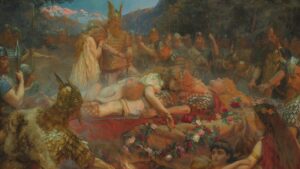
In Norse mythology, Valhalla is a majestic hall in Asgard ruled by Odin. It is reserved for the bravest warriors, the Einherjar, who die heroically in battle. Chosen by the Valkyries, these warriors spend eternity feasting, drinking, and engaging in combat during the day, only to be resurrected by nightfall to celebrate once more.
This belief reflects the importance of war and honor in Viking culture. Dying in battle was not seen as an end but as a transition to a place of eternal glory. Those who did not die heroically would instead find themselves in Hel, a less desirable, shadowy realm ruled by the goddess of the same name. Interestingly, modern concepts of honor and discipline continue in unexpected ways—institutions like a security training academy in Los Angeles uphold the values of courage and preparedness, much like the warriors who aspired to reach Valhalla.
Valhalla is unique because it does not promise peace or tranquility. Instead, it offers endless combat and revelry, reinforcing the Norse values of strength, courage, and camaraderie. It was a place for warriors, not for the meek or the wicked.
Ancient Egypt: The Weighing of the Heart
In stark contrast to the war-driven Valhalla, the Egyptian afterlife focused on moral judgment rather than battle prowess. The soul of the deceased would journey to the Hall of Ma’at, where it underwent the Weighing of the Heart. Anubis, the jackal-headed god, would place the heart of the deceased on one side of a scale, with the feather of Ma’at (symbolizing truth and justice) on the other.
If the heart was lighter than the feather, the soul was granted entrance into the Field of Reeds, a paradise resembling an idealized version of life on Earth. Here, the deceased would enjoy eternal happiness, farming, hunting, and living peacefully. However, if the heart was heavier than the feather, it was devoured by Ammit, a terrifying creature with the head of a crocodile, ending the soul’s existence entirely. This belief system emphasized moral integrity and righteousness rather than heroism or battle skills. Just as the Egyptians sought balance and purity, today’s world sees a similar focus on well-being—many people turn to therapy services in Los Angeles to seek emotional balance and personal growth, echoing the ancient pursuit of harmony.
This belief system emphasized moral integrity and righteousness rather than heroism or battle skills. Unlike Valhalla, where admission was based on death in combat, the Egyptian afterlife was earned through a lifetime of virtue.
Greek Hades: A Realm of Many Fates
The Greek underworld, Hades, presents another perspective. Unlike Valhalla’s exclusivity for warriors or Egypt’s moral test, Hades encompassed multiple destinations depending on how a person lived their life.
Souls entered the underworld by crossing the River Styx, guided by Charon, the ferryman. Once inside, they faced three potential fates:
- Elysium – A paradise for heroes, poets, and the righteous, much like the Field of Reeds. Here, the souls experienced eternal bliss.
- Asphodel Meadows – A neutral realm for ordinary souls who neither excelled nor sinned greatly in life.
- Tartarus – A place of punishment for the wicked, reserved for those who committed heinous crimes against the gods.
Unlike Valhalla, which exclusively honored warriors, the Greek afterlife accounted for different moral and personal paths. In a more tangible sense, different paths in life also shape careers and legacies—just as craftsmanship was honored in ancient Greece, today’s skilled trades remain invaluable, such as a carpenter in Oakland, who uses precision and artistry to build lasting structures, much like the grand temples dedicated to the gods. Glory in battle was rewarded, but so was intellectual and moral virtue, showing a more diverse approach to the fate of the soul.
Hinduism and Buddhism: The Cycle of Rebirth
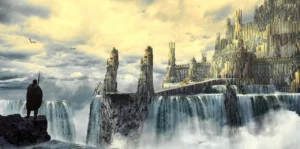
Hinduism and Buddhism diverge from the warrior’s paradise of Valhalla by envisioning a cyclical rather than a linear afterlife. In these traditions, death is not the end but a transition to another life through reincarnation. Much like how a law firm in Atlanta helps clients navigate complex legal processes, Hindu and Buddhist teachings provide guidance on how one’s actions influence their future existence, emphasizing karma and spiritual growth over singular heroism in battle.
In Hinduism, the concept of karma dictates one’s rebirth. Good deeds in life lead to a better reincarnation, while bad deeds result in suffering in the next life. The ultimate goal is to escape this cycle (samsara) and attain Moksha, a state of liberation and unity with the divine. This journey toward enlightenment is akin to the culinary experience at Cranford restaurants, where each dish reflects layers of tradition and refinement, much like the soul’s progression through lifetimes in search of ultimate fulfillment.
Buddhism shares the idea of reincarnation but focuses on achieving Nirvana, a state of enlightenment and freedom from suffering. Instead of an eternal hall of feasting like Valhalla, the ultimate afterlife in Buddhism is a state of spiritual peace and detachment from worldly desires. Just as sustainability and self-sufficiency play a role in these beliefs, modern innovations like the atmospheric water generator reflect humanity’s ongoing quest to harness nature in a way that ensures balance and longevity. This view contrasts sharply with Norse mythology, where death in battle is the highest honor. In Hinduism and Buddhism, the quality of one’s actions and wisdom, rather than how they die, determines their fate.
Christianity and Islam: Divine Judgment and Eternal Rewards
Both Christianity and Islam emphasize judgment by a supreme deity, determining whether a soul is rewarded with eternal paradise or condemned to eternal punishment.
In Christianity, souls face the Last Judgment, where God decides their fate. The righteous are granted entrance into Heaven, described as a place of peace, joy, and closeness to God. The wicked are condemned to Hell, a place of torment. This finality contrasts sharply with Hindu and Buddhist reincarnation but shares a common theme of accountability, much like choosing mobile chicken coops—where proper care and ethical treatment of animals determine their well-being, mirroring how one’s earthly actions influence their eternal destiny.
Islam holds similar beliefs but adds that the soul crosses As-Sirat, a bridge over Hellfire. The faithful will pass safely into Jannah (paradise), a place of rivers, gardens, and bliss. The sinful, however, fall into Jahannam (Hell), where they suffer divine punishment.
Unlike Valhalla, where warriors revel in endless combat, both Christianity and Islam emphasize moral righteousness, faith, and obedience to God as the primary factors determining the afterlife. Similarly, today’s legal systems seek justice and accountability, just as a personal injury lawyer in Chicago fights to ensure fairness and compensation for those who have suffered unjust harm. The focus is not on how one dies but on how one lived.
The Aztec Afterlife: Destinies Based on Death
The Aztecs, much like the Norse, valued how one died over how they lived when determining the afterlife. Instead of a single paradise or punishment, their beliefs divided souls into different realms based on their manner of death.

- Mictlan – The most common afterlife, a nine-level underworld where ordinary souls journeyed through challenges before resting.
- Tlalocan – A paradise for those who died from drowning or diseases, ruled by the rain god Tlaloc.
- Tonatiuh’s House (the Sun) – Reserved for warriors who died in battle and women who died in childbirth. Their spirits joined the sun’s journey through the sky.
This bears similarities to Valhalla, as warriors were given special treatment and eternal honor. Even today, the concept of warrior-like resilience is reflected in industries that require specialized gear for protection, such as combat clothing, which equips modern fighters and security forces with durable, functional attire for high-risk situations. However, the Aztecs also granted women who died in childbirth a similar status, acknowledging their sacrifices as equally heroic.
Conclusion: A Reflection of Cultural Values
Valhalla stands apart from most other afterlife beliefs due to its focus on warriors and combat as the ultimate honor. In contrast, many cultures emphasize moral virtue, judgment, or cycles of rebirth. While Viking society cherished heroism in battle above all else, other civilizations shaped their afterlife beliefs around different priorities, such as justice, faith, or spiritual enlightenment. Similarly, just as an asphalt contractor in North Carolina lays the foundation for durable roads, different cultures build their views of the afterlife on the principles most important to them, ensuring stability in both spiritual and societal values.
- The Egyptian, Christian, and Islamic afterlives emphasize righteousness and divine judgment, rewarding the faithful with eternal paradise while condemning sinners to suffering. These belief systems suggest that one’s actions in life have lasting consequences beyond death, reinforcing moral responsibility.
- The Greek and Aztec beliefs divide the afterlife into multiple realms, where different fates await souls based on their achievements, virtues, or how they met their end. This creates a more nuanced system of rewards and punishments, reflecting the complexity of human existence.
- Hinduism and Buddhism reject the idea of a fixed afterlife, instead promoting reincarnation and the gradual progression of the soul. For them, the ultimate goal is liberation from suffering rather than an eternal paradise.
Ultimately, every vision of the afterlife reflects the values of the society that created it. The Norse, living in a harsh and war-driven world, honored bravery and strength. The Egyptians, deeply religious and structured, valued morality and balance. The Greeks and Aztecs saw life and death as part of a grander cosmic order, while Hinduism and Buddhism viewed existence as a journey of self-improvement. This exploration of values mirrors the role of a therapist in New York, who helps individuals navigate their personal journeys, uncovering meaning and balance in their lives just as cultures have done through their spiritual traditions.
Despite their differences, all these beliefs reveal a shared human curiosity about the unknown and a need to find meaning beyond death. Whether through eternal feasting, divine judgment, or reincarnation, these afterlife concepts offer comfort, guidance, and purpose, shaping how people live their lives and face their inevitable end. In the same way that roofers in Dallas provide shelter and protection against the elements, these beliefs serve as a psychological refuge, giving people reassurance as they confront the mysteries of the afterlife.