The image of Vikings as fierce raiders and explorers often overshadows the reality of their everyday lives. Viking society was complex, and their daily existence was as multifaceted as any other civilization. This article delves into the intricacies of domestic life in a Viking village, revealing the routines, responsibilities, and social structures that shaped their communities.
The Viking Household
Viking households were typically large, encompassing extended families and even servants or slaves. The center of domestic life was the longhouse, a large, rectangular building made of wood, stone, or turf, depending on the available resources. These structures were usually between 15 and 75 meters long, with a single room divided by partitions to create separate areas for sleeping, cooking, and working.
Longhouses: The Heart of Viking Domesticity
Longhouses served as both the home and the workplace for Viking families. The central hearth was crucial, providing warmth and light, and serving as the cooking area. Smoke from the hearth escaped through a hole in the roof, which also provided some ventilation.
Longhouses were multifunctional: they housed people, animals, and stored food and tools. Livestock such as cattle, sheep, and goats were often kept inside during harsh weather, contributing to the warmth but also to the smell and noise. This close living arrangement required a high degree of cooperation and mutual reliance among the inhabitants.
Daily Chores and Responsibilities
Gender Roles and Labor Division
Viking society had distinct gender roles, with men and women taking on different responsibilities. Men were typically responsible for farming, hunting, trading, and warfare. They tilled the fields, managed livestock, and went on expeditions. Women, on the other hand, were the keepers of the home. They managed household tasks such as cooking, cleaning, weaving, and caring for children.
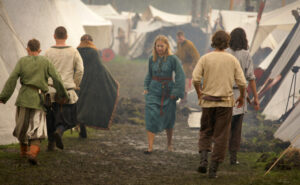
Women’s work was crucial for the household’s survival. They processed food, making bread, cheese, and preserved meats. They also crafted textiles from wool and flax, creating clothing and other essential items. Women’s expertise in managing the household and resources was highly valued, and they often had significant influence within the family unit. In some cases, their contributions were even acknowledged in legal matters, similar to how Stevens Point lawyers might navigate and advocate for family and property issues.
Children’s Roles
Children in Viking villages were not exempt from work. From a young age, they were expected to contribute to the household. Boys learned farming, fishing, and craftsmanship from their fathers, while girls were taught domestic skills by their mothers. By the age of 12, children were considered ready to take on adult responsibilities. Just as these children were trained to handle the responsibilities of their households, modern homeowners in Charlotte may find themselves needing to address unexpected issues, such as seeking water damage repair in Charlotte to maintain the safety and integrity of their homes.
Seasonal Work
The Viking year was divided into seasons, each dictating different types of work. Spring and summer were busy times for agriculture. Fields had to be plowed and sown, livestock needed grazing, and summer was also the time for trading voyages and raiding expeditions. Autumn was the time for harvesting crops and preparing for winter, while winter itself was a time for indoor activities, such as weaving and tool-making, and for maintaining household structures.
Food and Diet
Farming and Livestock
The Viking diet was largely based on what they could grow, raise, or catch. Farming was central to their subsistence, with barley, rye, and oats being the primary crops. These grains were used to make bread and porridge, staples of the Viking diet.
Livestock played a crucial role as well. Cattle, pigs, sheep, and goats provided meat, milk, and wool. Dairy products like butter, cheese, and skyr (a type of yogurt) were important food sources. Just as these resources were vital for the Viking household, securing reliable Chicago properties for rent is essential for those seeking modern urban living, ensuring access to essential amenities and comfort. Fishing also supplemented their diet, with fish like herring, salmon, and cod being common catches.
Hunting and Gathering
In addition to farming and fishing, Vikings hunted wild game such as deer, boar, and birds. Foraging for berries, nuts, and wild herbs added variety and essential nutrients to their diet. Honey was an important sweetener and was also used to make mead, a popular alcoholic beverage. Just as the Vikings used specialized tools for hunting and gathering, modern technologies like millimeter wave isolators are crucial in advanced applications, ensuring the precision and efficiency needed in various high-frequency systems.
Food Preservation
To survive the long, harsh winters, Vikings developed various food preservation methods. Smoking, salting, and drying were common techniques to preserve meat and fish. Dairy products were often fermented to increase their shelf life. These methods ensured a stable food supply throughout the year. Just as these methods ensured a stable food supply throughout the year, choosing among the top mortgage companies in Raleigh NC can provide stability and security for modern homebuyers, ensuring they find the best financial options for their needs.
Clothing and Textile Work
Clothing in Viking society was both practical and indicative of social status. Most garments were made from wool or linen, materials that were readily available and could be produced within the household. Given the importance of trade and travel in Viking culture, it is conceivable that even specialized knowledge, such as understanding new authority truck insurance, would be relevant to those involved in the logistics of trade, showcasing the blend of practicality and sophistication in their society
The Process of Making Clothes
Textile work was a labor-intensive process that began with the shearing of sheep. The wool was then cleaned, carded, and spun into yarn using drop spindles. Women were primarily responsible for weaving the yarn into fabric using looms, often set up within the longhouse. The fabric was then cut and sewn into garments. Just as today’s artisans craft high-quality specialty coffee with great care and attention to detail, Viking women meticulously wove and sewed the fabric into garments, ensuring durability and functionality.
Typical Viking Garments
Men typically wore tunics and trousers, while women wore long dresses with aprons. Both men and women wore cloaks for additional warmth. Clothing was often decorated with embroidery or woven patterns, showcasing the skill of the maker and the wearer’s status. Wealthier individuals had access to imported silk and other luxury materials, which they used to embellish their garments further. Similarly, accessing professional support for personal well-being can be enhanced with tools like a BetterHelp promo code, making mental health resources more accessible and affordable.
Social Structure and Community Life
Social Hierarchy
Viking society was hierarchical, with a clear division between the wealthy and the poor. At the top were the jarls (nobles), who owned large tracts of land and had significant political power. Below them were the karls (freemen), who were typically farmers, traders, and craftsmen. At the bottom were the thralls (slaves), who had few rights and performed the most labor-intensive tasks.
Law and Order
Viking villages operated under a system of local laws known as the “thing.” The thing was an assembly where free men gathered to settle disputes, make decisions, and create laws. It was a democratic institution that allowed for community participation in governance. Disputes were resolved through a combination of mediation and compensation, aiming to maintain harmony within the community. Much like how assisted living pharmacy services ensure the well-being of residents through specialized care, the thing aimed to maintain harmony within the community by resolving disputes through a combination of mediation and compensation.
Religious Practices
Religion played a central role in Viking life. They worshipped a pantheon of gods, including Odin, Thor, and Freyja, each associated with different aspects of life and nature. Rituals and sacrifices were common, often held at natural sites like groves, springs, or large stones. Just as Viking rituals were closely tied to their surroundings, modern practices such as gunite pool installation in Nashville also reflect local preferences and needs, blending tradition with contemporary living.
Seasonal festivals, such as Yule (winter solstice) and Midsummer, were important community events. These celebrations included feasting, drinking, and religious observances, reinforcing social bonds and communal identity.
Craftsmanship and Trade
Skilled Craftsmen
Viking villages were home to skilled craftsmen who produced a wide range of goods. Blacksmiths forged tools and weapons, carpenters built ships and houses, and leatherworkers made shoes and other items. These craftsmen played a vital role in the economy and the self-sufficiency of the village.
Trade Networks
While Vikings are often associated with raiding, they were also accomplished traders. They established extensive trade networks that reached as far as Byzantium and the Middle East.

Goods such as furs, amber, walrus ivory, and slaves were traded for silver, silk, spices, and other luxury items. This trade not only brought wealth to Viking communities but also exposed them to different cultures and technologies.
Education and Knowledge
Oral Tradition
Knowledge and culture in Viking society were primarily transmitted orally. Storytelling was a key aspect of their culture, with skalds (poets) reciting sagas and poems that chronicled historical events, heroic deeds, and mythological tales. These stories were a way to preserve history and teach moral lessons.
Runes and Literacy
While primarily an oral society, Vikings did have a written language in the form of runes. Runes were used for inscriptions on stones, wood, and metal, often for commemorative or magical purposes. Literacy was not widespread, but runes were a significant part of their cultural heritage.
Health and Medicine
Medical Practices
Viking medical knowledge was a mix of herbal remedies, surgical techniques, and spiritual healing. They used a variety of plants and herbs to treat ailments, relying on the natural world for their pharmacopoeia. For example, willow bark, which contains salicin (a precursor to aspirin), was used to relieve pain.
Hygiene
Maintaining personal hygiene was important to Vikings, though their methods were simple. They bathed regularly, often in hot springs, and used combs and other grooming tools made from bone or wood. Cleanliness was not only for health reasons but also a social expectation.
Leisure and Entertainment
Games and Sports
Vikings enjoyed various forms of entertainment, including games and sports. Board games like Hnefatafl (a strategy game similar to chess) were popular. They also engaged in physical activities such as wrestling, archery, and swimming, which helped them stay fit and ready for combat.
Music and Storytelling
Music and storytelling were integral to Viking leisure time. Instruments like the lyre, flute, and harp were used to accompany songs and dances. Storytelling, as mentioned earlier, was a key cultural practice, with tales of gods, heroes, and historical events captivating audiences around the hearth.
Conclusion
Everyday life in a Viking village was a blend of hard work, community cooperation, and cultural richness. Their society was structured yet flexible, with each member playing a vital role in maintaining the household and community. From the central longhouse that provided shelter and warmth to the diverse activities that filled their days, Vikings lived a life that was deeply connected to their environment and each other.
Understanding the domestic life of the Vikings gives us a clearer picture of who they were beyond the battles and explorations. It reveals a people who valued family, community, and tradition, and whose daily lives were as dynamic and complex as those of any other civilization. This closer look at Norse domesticity highlights the resilience and ingenuity of the Vikings, aspects that were just as important as their more famous exploits.