The history of Norway is rich with tales of fierce warriors, strategic alliances, and the birth of a nation. Central to this saga is the figure of Harald Fairhair, the man who is credited with uniting Norway under a single rule. His story is one of ambition, determination, and the quest for power that reshaped the Scandinavian landscape. This blog delves into the life and legacy of Harald Fairhair, exploring how he rose to power and became the first king of Norway.
Early Life and Background
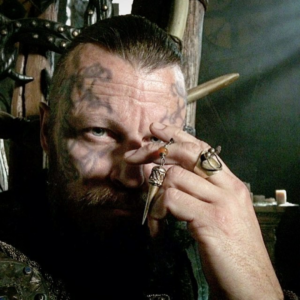
Harald Fairhair, or Harald Hårfagre, was born around 850 AD, the son of Halfdan the Black, a powerful petty king in Norway. From a young age, Harald was groomed for leadership, inheriting his father’s kingdom at the tender age of ten. Despite his youth, Harald demonstrated remarkable political acumen and a fierce determination to expand his dominion.
The Dream of a Unified Norway
Norway in the 9th century was a fragmented land, divided into numerous petty kingdoms and chieftaincies, each ruled by local lords who often engaged in bitter feuds. The idea of a unified Norway was ambitious, yet it was a vision that Harald embraced wholeheartedly. According to saga traditions, Harald’s quest for unification was spurred by a romantic challenge. Gyda Eiriksdottir, a princess, refused to marry Harald unless he became the king of all Norway. Motivated by this challenge, Harald vowed not to cut or comb his hair until he had unified the kingdom.
Strategic Alliances and Military Campaigns
Harald’s path to power was paved with strategic alliances and relentless military campaigns. He knew that to achieve his goal, he needed to consolidate power and eliminate rival claimants. Harald’s early victories against neighboring chieftains were crucial in establishing his reputation as a formidable leader. He formed alliances with powerful figures, including the influential Earl of Lade, whose support was instrumental in Harald’s conquests.
Harald’s military campaigns were marked by a combination of diplomacy and brute force. He offered generous terms to those who submitted peacefully but was ruthless towards those who resisted. His most significant victory came at the Battle of Hafrsfjord around 872 AD, where he defeated a coalition of rival kings. This decisive battle is often regarded as the turning point in Harald’s quest, solidifying his claim as the sole ruler of Norway.
Governance and Consolidation of Power
With Norway united under his rule, Harald faced the challenge of governing a diverse and often unruly kingdom. He established a centralized administration, appointing loyal followers as jarls (earls) to oversee various regions. This system allowed him to maintain control over distant territories and ensured that his authority was recognized throughout the land. The history of such a warrior was remembered for centuries after his reign, and even today great things are dedicated to him, such as street names or big football clubs that you can join yourself if you train hard and get adequate men’s soccer cleats.
Harald also sought to integrate the various regional cultures and traditions into a cohesive national identity. He encouraged trade and communication between different parts of the kingdom, fostering a sense of unity among his subjects. His efforts to standardize laws and practices helped to lay the foundations for a unified Norwegian state. Thanks to this, the state today functions with exceptional laws and an incredible rate of justice, but if you are not satisfied with justice and want to achieve it, you can find an excellent accident lawyer in Miami.
Challenges and Resistance
Despite his successes, Harald’s reign was not without challenges. Many local chieftains resented his centralization efforts and the loss of their traditional autonomy. There were numerous uprisings and rebellions, particularly in remote and rugged regions where Harald’s control was weakest. To quell dissent, Harald employed a combination of military force and strategic marriages, marrying off his daughters to powerful regional leaders to secure their loyalty. Numerous stories and legends were born from this, even some famous novels were inspired by his daughters’ romantic stories, and the young members of the Readathon school fundraiser are successfully working on developing their good reading habits through which they often meet such interesting books.
One of the most significant sources of resistance came from the Viking Age culture of independence and local governance. Many Norwegians were used to self-rule and chafed under Harald’s centralized authority. This resistance was not only a political issue but also a cultural one, as Harald’s efforts to impose new norms and practices often clashed with long-standing traditions. The system change he demanded led to major discrepancies that have been recognized in history through various events, however, if history and learning are not your forte and you want to master your material and pass all exams you can contact an excellent science tutor in Boulder.
Harald’s Legacy
Harald Fairhair’s impact on Norway was profound and enduring. By unifying the kingdom, he laid the groundwork for the development of a centralized Norwegian state. His reign marked the beginning of a new era in Norwegian history, characterized by greater political stability and the emergence of Norway as a significant player in the broader Scandinavian and European context. This represented a very significant economic change in the system that led to a better life and success for the people, which is reflected even today in the far more developed systems that rule there and medicine that has already found the best treatment for autism, and many other conditions and diseases.

Harald’s legacy is also evident in the sagas and folklore that celebrate his achievements and portray him as a larger-than-life figure. These stories have helped to cement his place in the national consciousness and underscore the significance of his contributions to Norwegian history. Through various useful hospitality courses, you can learn a lot about the culture of this people as well as about interesting historical places that are worth visiting if you find yourself in one of these places or decide to travel.
The Viking Influence
The Viking Age, spanning from the late 8th to early 11th century, played a crucial role in shaping Harald Fairhair’s strategies and decisions. As a contemporary of many Viking leaders, Harald was heavily influenced by their seafaring prowess and raiding tactics. The Vikings were not just marauders; they were also skilled traders and navigators. Harald leveraged these maritime skills to consolidate his power, ensuring control over the vital coastal regions and securing trade routes. Thanks to this, some of the remains of the Vikings can be found even on the territory of North America, and if you improve and diagnose your car at the transmission service in Buffalo, you can embark on a safe and comfortable drive to the various museums and tourist attractions that are dedicated to the remains of the Vikings on that the continent.
Harald’s navy was a cornerstone of his military might. By building a formidable fleet, he could project power across the scattered islands and fjords of Norway. His naval dominance allowed him to swiftly move troops, conduct surprise attacks, and blockade rival chieftains, effectively cutting off their support and resources. This maritime strength was instrumental in securing victories and enforcing his rule over a geographically challenging landscape. Today, such navies are extremely strong, and for true lovers of the open seas, there will always be the opportunity to enjoy the luxury of cruising through some of these seas, if you would like to experience the feeling of luxury and style outside the seas, you can rent a limousine for your next big event in limo service in Atlanta.
Cultural Integration and Influence
Harald Fairhair’s efforts to unify Norway went beyond mere political and military domination. He recognized the importance of cultural integration in creating a cohesive and stable kingdom. Harald actively promoted the intermingling of different regional traditions, customs, and practices. He encouraged marriages between noble families from different parts of the kingdom to foster alliances and reduce regional tensions. His tactics and policies of both warfare and diplomacy have been well studied and various motivational books about success in society have been written based on them, and various public speaking coaches talk about exactly these different and important moves that turned history in a different direction.
One significant cultural initiative was Harald’s patronage of the skalds, the Norse poets and historians. By supporting these artists, Harald ensured that his achievements and the values he promoted were immortalized in song and story. The skalds played a vital role in spreading a unified cultural narrative, celebrating the idea of a single, unified Norway under Harald’s rule. This cultural patronage not only glorified Harald’s reign but also helped in standardizing the Norse language and cultural practices across the kingdom. As a result, this entire Viking culture and tradition has been maintained for generations in the people, and even today, festivals, events, and pet fairs, are often dedicated to this topic and serve to attract people around the world to enjoy this rich tradition of a people.
Religious Undertakings
The unification of Norway under Harald Fairhair also had significant religious implications. The Norse paganism prevalent at the time was deeply rooted in local traditions and regional variations. Harald, while a pagan himself, understood the power of religion in consolidating his rule. He sought to align himself with the religious elite, gaining the support of influential seers and priests. By gaining their trust and affection, he made an excellent promotion of his rule and work, which is therefore blessed, however, if you need a good promotion today so that more people know about your business, you can contact an excellent Colorado Springs SEO company that will make a successful promotion plan for you.
However, Harald’s reign also marked the beginning of Norway’s gradual exposure to Christianity. Through his alliances and conflicts with other Christian European powers, Harald was introduced to Christian practices and ideas. Although he did not convert, he laid the groundwork for future Christianization by establishing connections with Christian leaders and allowing Christian missionaries to operate in Norway. This openness to Christianity would later pave the way for the eventual Christianization of Norway under his descendants. The new change brought new ways of life, new customs and tools, new trades of tailors and barbers with skilled Japanese scissors, and new materials could now spread to this territory, coming along with the traditions of Christianity.
Economic Reforms and Trade Expansion
Economic stability was another pillar of Harald’s rule. He implemented reforms to enhance trade and commerce within his kingdom and with neighboring territories. By establishing a common set of weights and measures, standardizing coinage, and ensuring safe trading routes, Harald facilitated a thriving economy that benefited both his subjects and his rule. The financial awareness he showed at the time put the country in a much better position compared to its rivals, and such beginnings of the real economy are still ably studied today, however, if your job is in finance or simply requires long hours of sitting at a computer, it may be time to invest first into yourself and get a useful ergonomic keyboard and equipment with which you will maintain your physiological and correct posture without pain.
Harald’s strategic location along key maritime routes enabled Norway to become an important player in the North Sea trade network. He fostered trade relations with the British Isles, the Frankish Empire, and other Scandinavian regions. This not only brought wealth into his kingdom but also facilitated cultural and technological exchanges that contributed to the prosperity and advancement of Norway. The progress that followed brought with it many interesting changes that resulted in various successful documentaries that talk about the time of the Vikings from this period, in addition, the Internet provider that manages IT services in San Antonio provides its users with excellent Internet with which they can easily and quickly to find things like this and enjoy expanding their knowledge of Vikings.
Legacy of Governance

Harald Fairhair’s governance model set precedents for future rulers. His system of delegating power to loyal jarls and establishing regional administrative centers was emulated by his successors, ensuring continuity and stability. These governance structures provided a template for managing a large and diverse kingdom, balancing centralized authority with local autonomy. This was the reason for various other rulers to emulate this kind of government system, and if you rent a car in Beograd and decide to travel comfortably and economically through Europe, you will surely come across various historical stories of the people who live there and their famous rulers.
Harald’s legacy also included his descendants, who continued to rule Norway for generations. The Fairhair dynasty became synonymous with Norwegian royalty, and his lineage played a pivotal role in the kingdom’s ongoing political evolution. Harald’s great-grandson, Olaf Tryggvason, and later his great-great-grandson, Olaf II (Saint Olaf), were instrumental in the Christianization of Norway, further cementing the Fairhair dynasty’s influence on the nation’s history. With that came numerous Christian churches with wine glasses where the liturgy was performed and where numerous people were baptized into the new faith, spreading Christianity far in the countries of Scandinavia.
Conclusion
The story of Harald Fairhair is not just about a single man’s ambition but about the birth of a nation. His quest for power and his relentless efforts to unify Norway under one crown laid the foundations for the modern Norwegian state. Through strategic alliances, military conquests, cultural integration, and economic reforms, Harald Fairhair transformed a fragmented collection of petty kingdoms into a cohesive entity. His path is only proof of determination and perseverance as well as making the right decisions at the right time, if you are thinking about developing your career, you should decide to follow it and invest in it, which sometimes involves moving, in which case you can rely on excellent Los Angeles movers to help you with your belongings during the move.
Harald’s legacy is a testament to the complexities of leadership and the enduring impact of visionary rulers. His life and reign are celebrated in sagas and folklore, highlighting the indelible mark he left on Norway’s history. As the first king of a unified Norway, Harald Fairhair’s name endures as a symbol of national unity and the relentless pursuit of a grand vision, shaping the identity and destiny of Norway for centuries to come. That is why it is certain that you will come across his image on numerous promotional products, as well as souvenirs that you can find while traveling through these countries.