Getting a good night’s sleep is essential for maintaining physical health, mental well-being, and overall quality of life. One factor that plays a significant role in your sleep quality is the condition of your pillows and mattress. But how often should you replace these important items to ensure optimal comfort and support? In this guide, we’ll explore the lifespan of pillows and mattresses and provide tips for knowing when it’s time to upgrade.
How Often Should You Replace Your Pillows?
Pillows are often overlooked when it comes to maintaining a healthy sleep environment so it is important to choose the right one for you and to help you with that decision you can look at some pillow reviews. However, they can lose their shape, support, and hygiene over time. Most experts recommend replacing your pillows every 1 to 2 years, depending on the material and usage.
Signs that it’s time to replace your pillow include:
- Loss of shape: If your pillow no longer fluffs up or feels flat, it’s time for a replacement.
- Neck or shoulder pain: An old pillow can lose its ability to properly support your head and neck, leading to discomfort.
- Allergies or respiratory issues: Over time, pillows accumulate dust mites, skin cells, and allergens, which can exacerbate allergy symptoms.
To extend the life of your pillow, consider using a pillow protector, and be sure to wash your pillows every 3 to 6 months, depending on the material.
Types of Pillows and Their Lifespan
- Memory foam pillows: Last about 2 to 3 years. These pillows contour to your head and neck, but the foam can degrade over time.
- Down or feather pillows: Should be replaced every 1 to 2 years. They can flatten out and lose support more quickly.
- Polyester pillows: Usually last around 1 to 2 years, as they tend to lose their shape and firmness faster than other materials.
How Often Should You Replace Your Mattress?
Your mattress is another critical component of sleep comfort. Mattresses generally last between 7 to 10 years, but the exact lifespan can vary based on material, usage, and care. An old mattress can lead to poor sleep quality, back pain, and discomfort, so it’s essential to know when it’s time for a replacement.
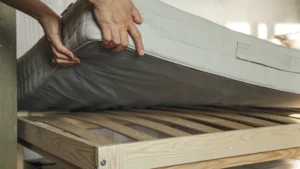
Signs it’s time to replace your mattress include:
- Sagging or visible indentations: If your mattress has permanent dips or lumps, it’s no longer providing proper support.
- Waking up with aches and pains: If you consistently wake up feeling stiff or sore, your mattress may be losing its ability to cushion and support your body.
- Noise or squeaking: Older mattresses, especially innerspring types, may start making noise, indicating that the springs or coils are wearing out.
Types of Mattresses and Their Lifespan
- Memory foam mattresses: Last about 8 to 10 years. These mattresses are durable but may lose their firmness over time.
- Innerspring mattresses: Should be replaced every 7 to 8 years, as the coils can lose their tension and support.
- Hybrid mattresses: Typically last between 7 to 10 years. They combine innerspring support with memory foam comfort, but both materials will eventually wear out.
Conclusion
Replacing your pillows and mattress regularly is essential for maintaining a healthy and comfortable sleep environment. By paying attention to the signs of wear and choosing high-quality products, you can ensure restful, rejuvenating sleep for years to come. Remember, good sleep starts with the right support!