The Vikings, often seen as fierce raiders and seafarers, were much more than simple warriors. They were also a people with a sophisticated and structured society, including a legal system that governed their communities. The Viking laws and justice systems were deeply intertwined with their culture and played a critical role in maintaining social order in a world that was often volatile and unpredictable. These laws, rooted in centuries of tradition, ensured that the Norse world was governed in a manner that balanced personal honor, community ties, and the need for security.
At the heart of Viking law was the thing, a governing assembly where decisions were made, disputes were settled, and laws were enacted. The Viking legal system was unique in many ways, with an emphasis on collective decision-making and oral traditions. In this article, we will explore how Viking laws functioned, how justice was administered, and how the system reflected the values of the Norse people. The Viking legal system, though primitive in comparison to modern law, was foundational in creating a sense of order that allowed Norse society to thrive for centuries.
The Thing: A Key Element of Viking Justice
One of the most unique aspects of Viking law was the thing, an assembly or council that played a central role in both governance and the justice system. The thing was an open-air gathering that took place at specific locations, often by a large rock or other prominent geographical feature. These gatherings were the ultimate authority in the Norse legal system, where free men could bring grievances, settle disputes, and enact laws.
The thing had a democratic aspect that was uncommon for the time. Unlike more hierarchical legal systems, the Viking thing allowed for a form of popular participation. All free men were encouraged to attend and voice their opinions, and decisions were made by consensus or vote. In large communities, the thing could be held annually or biannually, and its proceedings were overseen by a lawspeaker—a respected individual who had the task of maintaining the laws and ensuring that proceedings were fair and orderly. A similar sense of thoughtful structure and community input can be seen in well-executed yard design in Green Bay projects.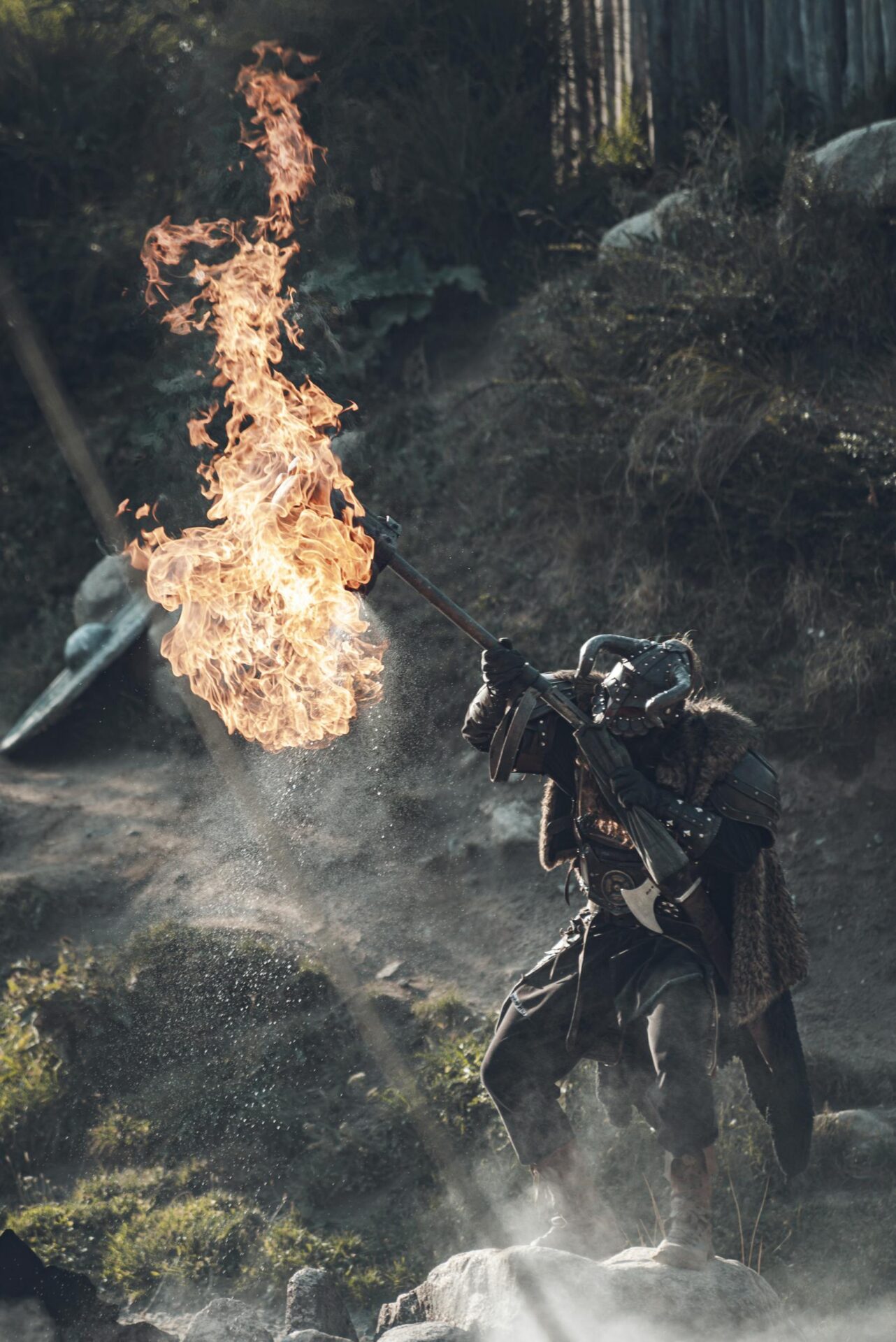
The laws of the Vikings were not written down; they were instead passed on orally, and the lawspeaker was responsible for reciting the laws at the thing to ensure that all participants were aware of them. This system of oral law had its roots in the ancient Norse tradition, where knowledge was preserved through storytelling and verbal transmission. The thing also had a judicial function: disputes between individuals were heard, and juries or panels of men were assembled to deliver verdicts. This aspect of Viking justice was very much focused on public participation, as the community members themselves often decided the fate of the accused. Warriors, often clad in what we might now compare to combat clothing, played key roles in these gatherings—not just as enforcers but as influential figures whose presence alone could sway decisions.
Legal Hierarchy and Viking Society
While the Viking legal system was based on the concept of community participation, there was still a clear social hierarchy that influenced the administration of justice. The Norse world was divided into several social classes, and these classes had different roles and levels of access to legal rights. At the top of the social ladder were the jarls (noblemen or chieftains), followed by the karls (free men), and at the bottom were the thralls (slaves).
The legal rights and responsibilities of each class varied. Jarls, for example, had the power to call and preside over things, and their word carried significant weight. They were often involved in high-level legal and political decisions. Karls, or free men, had the right to attend the thing, bring forth legal grievances, and participate in the decision-making process. However, they were still subject to the authority of the jarls in certain matters. The thralls, on the other hand, were considered property rather than citizens. They had no legal rights and could not participate in the thing or bring legal cases to court. Their treatment was regulated by the laws of the Viking world, but they had limited recourse for justice outside of their master’s discretion.
The legal system was deeply influenced by social status. For example, while free men had access to legal protections, their ability to exact vengeance or settle disputes was often subject to their social rank. Blood feuds, a central feature of Viking justice, could be pursued by members of the higher classes, but thralls had little recourse for defending themselves or seeking justice if wronged. This inequality shaped much of the Viking approach to justice, and social class could play a pivotal role in the outcome of legal proceedings. Just as status determined one’s voice in the legal process, so too did access to luxury or indulgence—where nobles might enjoy rare goods such as imported wines or early forms of milk chocolate edibles, lower classes were often left with the bare essentials of survival.
Viking Law and Personal Honor
Personal honor played a central role in Viking justice. In many cases, the laws were more concerned with maintaining honor and reputation than with punishing criminals. The concept of honor was woven into the very fabric of Viking society, and individuals were expected to maintain their honor at all costs. A loss of honor was considered a grave matter, often leading to personal retribution or a cycle of blood feuds that could last for generations. The concept of honor, like an iron gate, stood strong, guarding the integrity of the Viking way of life.
This focus on honor had a direct impact on the Viking legal system. If someone was wronged—whether through insult, theft, or physical harm—the victim had the right to seek reparation through the legal system or, in many cases, through direct vengeance. Viking laws allowed for a blood feud, where the victim or their family could seek revenge against the perpetrator. However, Viking law also provided a mechanism to prevent these feuds from spiraling out of control. A common form of restitution was the wergild, a payment made by the perpetrator or their family to compensate for the loss of life or property. The amount of wergild depended on the status of the person who was harmed: the wergild for a nobleman was much higher than that for a commoner, reflecting the social hierarchy of Viking society.
In Viking justice, the focus was on restitution, not retribution. The idea was to restore balance and honor to the community, rather than simply punishing the wrongdoer. Blood feuds, however, were often difficult to settle, and disputes over honor could escalate into violence that engulfed entire communities. This was one of the reasons why the thing played such a crucial role in maintaining order—it was a forum where disputes could be resolved and where efforts were made to prevent violent retaliation.
Viking Laws Concerning Theft and Property
Property laws in the Viking world were important to maintaining order, particularly because the Vikings were primarily agrarian and relied heavily on livestock, land, and wealth to secure their status and survival. Theft was a serious offense, and the punishment for stealing could be severe. If a person was caught stealing, they could face banishment or other forms of punishment. However, theft was often considered a crime of necessity, especially if the thief was poor or starving. In these cases, the thing would decide whether the crime was driven by hunger or malicious intent. Even today, making thoughtful and practical choices is valued—just like choosing the best small kibble dog food for your pet’s health and happiness.
Land ownership was also crucial to Viking society. The Norse people placed great value on the land they cultivated, and disputes over land ownership were common. Viking laws provided a mechanism for resolving these disputes, with the thing serving as the place where landowners could bring their cases before a panel of judges or community members. Testimony was often based on oral evidence, and witnesses played an important role in determining the outcome. In cases of disputed land ownership, the law would often lean in favor of those with the longest claim to the land, which meant that historical occupation and evidence of continuous use were key factors in settling these matters.
Similarly, Viking law also addressed the issue of property damage. Damage to another person’s property, whether through accidental destruction or malicious intent, could result in compensation through the payment of a fine or wergild. The community was expected to support the victim by helping them recover damages, and the thing played a role in enforcing these financial compensations.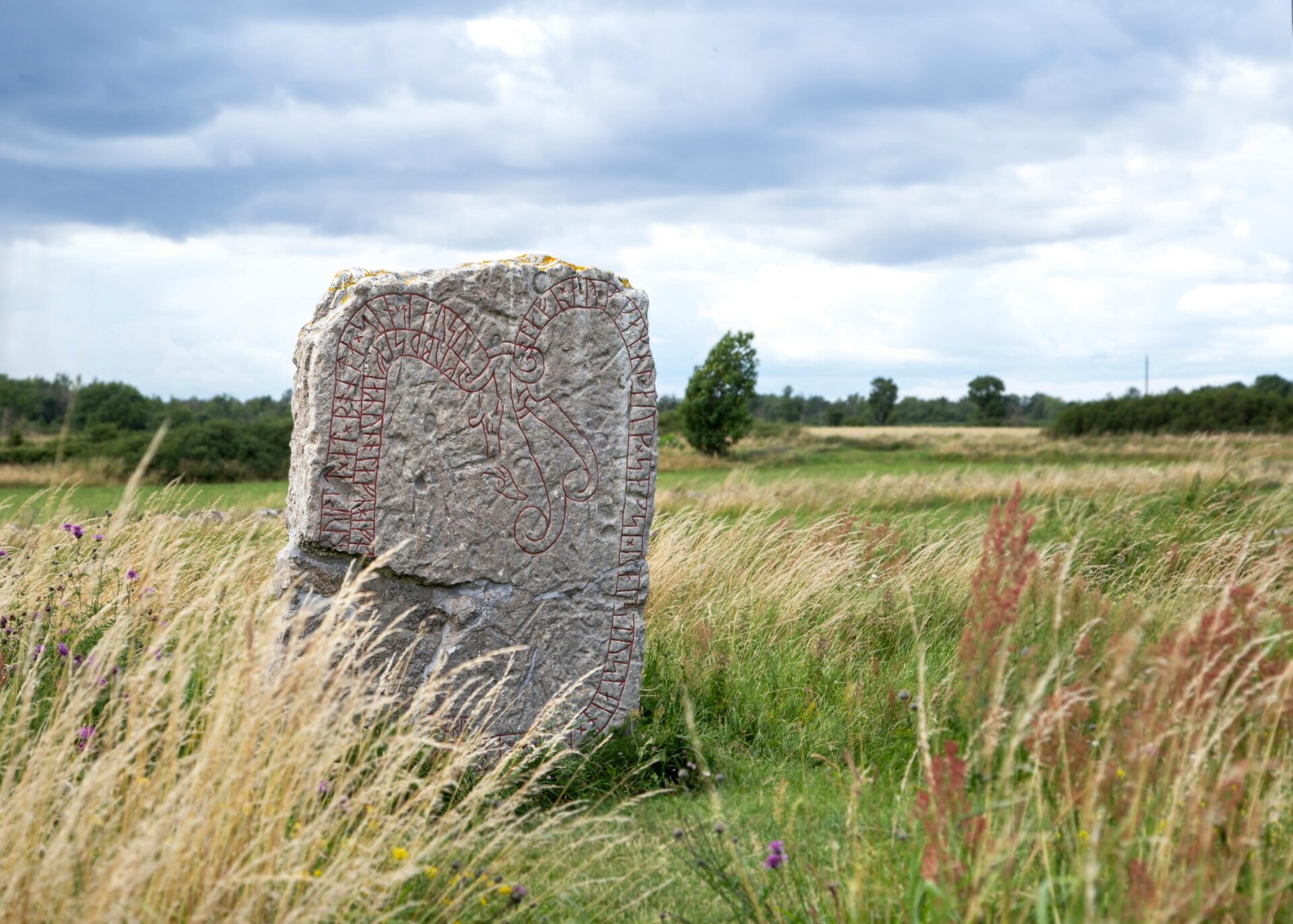
Conclusion
The Viking laws and justice system were intricately connected to the values of Viking society. At their core, these laws were about maintaining honor, ensuring restitution for wrongdoings, and upholding the social fabric of the Viking world. The thing played a critical role in mediating disputes, and while Viking justice was based on a collective decision-making process, it was deeply influenced by the hierarchical nature of Norse society. The Viking system of law emphasized personal responsibility, with a focus on reparation rather than retribution.
As fierce and ruthless as the Vikings were in battle, their legal system was a key factor in ensuring that their communities operated in a way that was sustainable and ordered. It is this balance of justice, honor, and community participation that allowed the Vikings to thrive in a world that often seemed to be on the brink of chaos.