The Viking Age, which spanned from the late 8th to early 11th centuries, left an indelible mark on European history. The seafaring Norse warriors from Scandinavia were not only known for their conquests and explorations but also for their rich cultural beliefs that continue to fascinate people today. Among the most intriguing aspects of Viking culture are their views on faith and the afterlife. These beliefs were deeply intertwined with their daily lives, influencing everything from their rituals to their perception of death. Understanding the Vikings’ spiritual outlook provides a window into their world, revealing a society where the divine and the mortal were closely connected, and where the afterlife was seen as a continuation of one’s earthly deeds and character, shaping how they approached both life and death.
Viking Beliefs and Norse Mythology
Viking beliefs were rooted in Norse mythology, a complex system of gods, goddesses, and mythical creatures that governed all aspects of life and death. Central to this belief system were the Aesir and Vanir gods, two pantheons that played crucial roles in the lives of the Vikings. The Aesir, led by Odin, were associated with war, wisdom, and governance, while the Vanir were linked to fertility, prosperity, and nature. These gods were not distant or infallible; instead, they often displayed human-like traits, such as jealousy, love, and revenge, making them relatable to their followers and reflecting the complexities of human nature. The gods were deeply involved in the struggles and triumphs of the mortal world, influencing events and shaping destinies.
The relationship between the gods and the Vikings was reciprocal. The Norse believed that their gods required offerings, sacrifices, and worship to maintain balance in the cosmos. This belief in reciprocity underscored many Viking rituals, which ranged from simple prayers to elaborate ceremonies involving animal sacrifices. These practices were not just acts of devotion but also ways to seek favor, guidance, and protection from the divine. In return, the gods were thought to influence the success of voyages, battles, harvests, and personal fortunes. Every aspect of Viking life, from the planting of crops to the outcomes of wars, was seen as influenced by divine will, underscoring the interconnectedness of the divine and the earthly. In modern times, businesses also recognize the value of reciprocity, especially through social media marketing, where engagement and interaction with followers lead to mutual benefits for brands and their audiences.
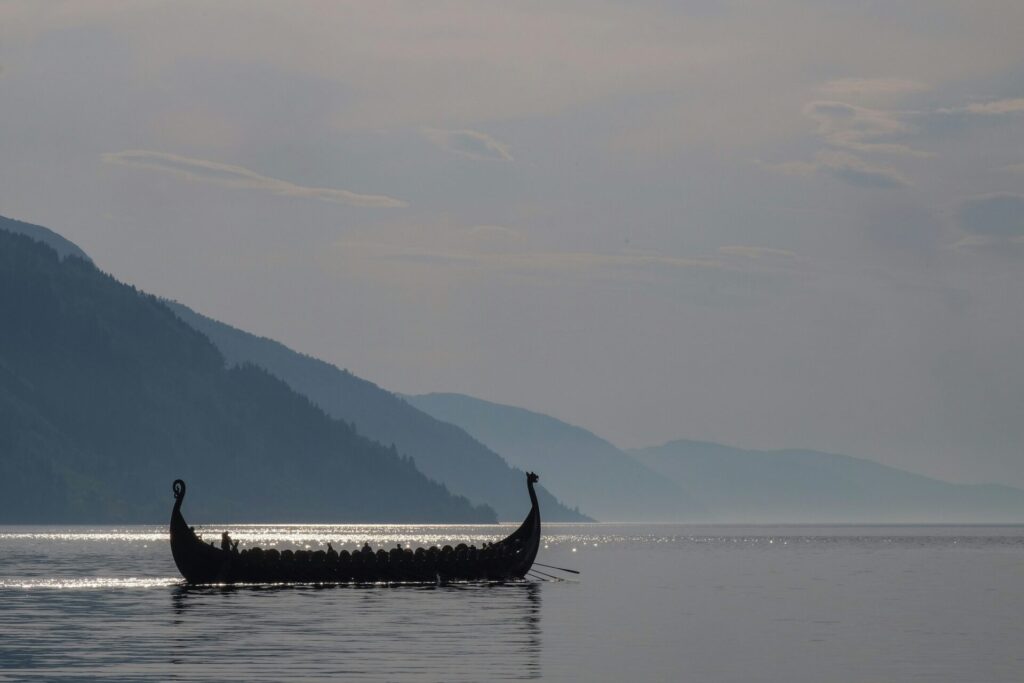
Moreover, Norse mythology provided the Vikings with a framework to understand the world around them. Myths such as the creation story of Yggdrasil, the World Tree, and the apocalyptic battle of Ragnarok offered explanations for natural phenomena and human existence. These stories were more than just entertainment; they were integral to Viking culture, shaping societal values and reinforcing a shared identity. For the Vikings, the tales of gods and heroes served as both a moral compass and a source of inspiration, guiding them through the uncertainties of life and offering lessons in courage, honor, and the inevitability of fate. They also provided a narrative that helped Vikings make sense of their place in the universe. They also provided a narrative that helped Vikings make sense of their place in the universe, influencing even the types of combat clothing they chose to wear in preparation for battle.
The Concept of Fate and the Norns
The Vikings believed that fate, or “wyrd,” was an unavoidable force that governed the lives of both gods and humans. This concept was personified by the Norns, three powerful beings who resided at the roots of Yggdrasil. The Norns were responsible for weaving the destinies of all living things, and their decisions could not be altered, even by the gods. This belief in an inescapable fate shaped the Vikings’ worldview, instilling a sense of acceptance and resilience in the face of adversity. Fate was seen not as a burden but as a path that everyone must walk, with honor and bravery guiding their steps, influencing how they faced challenges and embraced their roles in life. In today’s world, seeking support through services like physical therapy Austin can help individuals navigate their own journeys with strength and resilience.
The role of the Norns highlighted the importance of living honorably and courageously, as one’s fate was already determined. For the Vikings, life was a journey shaped by the hands of the Norns, and death was not seen as an end but rather as a transition to another state of existence. This perspective encouraged a fearless approach to life, where bravery, loyalty, and reputation were highly valued. Viking warriors, in particular, were driven by the desire to achieve glory in battle, believing that a heroic death would ensure a place in the afterlife. The Norns’ weaving was a reminder that while destiny was fixed, the manner in which one met it was of paramount importance, shaping their legacy and influence. An EinScan HX2 3D scanner exemplifies the importance of precision and detail, much like the meticulous weaving of the Norns.
However, the Norns’ control over fate did not imply a fatalistic attitude among the Vikings. Instead, it emphasized the significance of how one faced their predetermined destiny. Whether in victory or defeat, what mattered most was the honor with which they met their fate. This acceptance of fate, combined with a belief in an afterlife, provided the Vikings with a unique perspective on life and death, one that balanced a sense of inevitability with the pursuit of personal valor. Their belief in fate also shaped their societal structures, influencing how leaders made decisions and how communities rallied in times of conflict. It created a culture where personal honor and collective strength were highly prized. Their values continue to inspire, much like the dedication to excellence found at the best beauty salon in Flatiron.
The Viking Afterlife: Valhalla, Hel, and Folkvangr
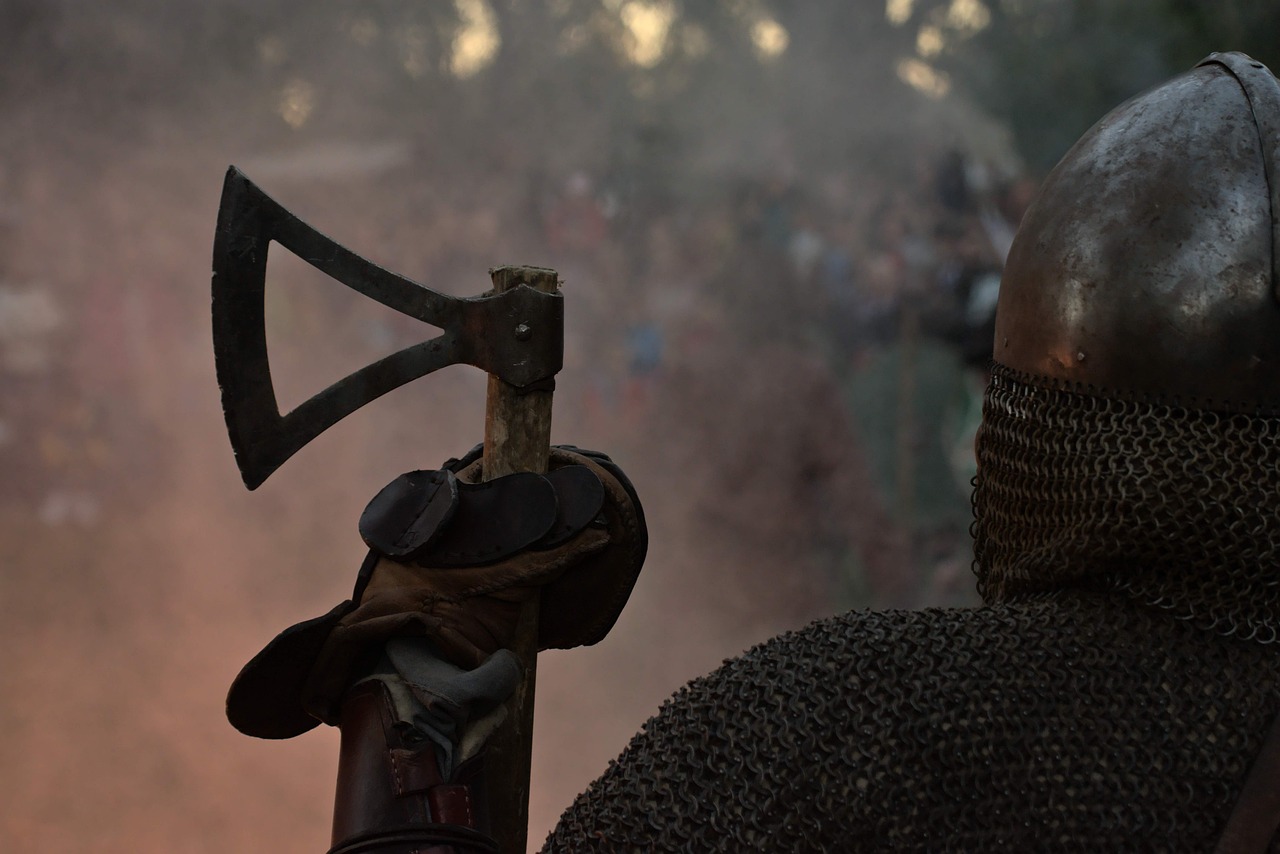
The Viking concept of the afterlife was multifaceted, with different realms reserved for the dead, depending on how they lived and died. One of the most renowned afterlife destinations was Valhalla, the majestic hall of Odin, reserved for warriors who had died bravely in battle. Much like hood cleaning in Wilmington, DE plays a vital role in maintaining safety and ensuring a well-functioning environment, the Vikings believed in maintaining balance in the afterlife through specific practices and rituals. These fallen warriors, known as the Einherjar, were believed to spend their afterlife feasting, fighting, and preparing for Ragnarok, the final battle where they would fight alongside the gods. Valhalla represented the ultimate reward for a life of valor, symbolizing the eternal glory that awaited those who upheld the warrior code. To enter Valhalla was to be honored for eternity, joining a brotherhood of heroes who lived on in song and legend, reflecting the Vikings’ ideal of eternal heroism. Similarly, commercial pest control in Reno ensures a lasting legacy of protection and care, preserving businesses and environments for the future.
Yet, Valhalla was not the only afterlife destination. Folkvangr, overseen by the goddess Freyja, was another realm for fallen warriors. Freyja, known for her connection to love, beauty, and war, chose half of the slain warriors to dwell in her field, where they were honored for their bravery. Folkvangr was similar to Valhalla in its celebration of heroic deeds but was seen as a more peaceful and gentle afterlife, reflecting Freyja’s nurturing qualities. This duality in the afterlife options underscored the complexity of Viking beliefs, showing that there were multiple ways to achieve honor in death, whether through the ferocity of Odin’s hall or the grace of Freyja’s domain. It highlighted the diverse nature of Viking spiritual aspirations and the value placed on both martial and spiritual virtues. For a delightful treat inspired by this duality, try extra strong cookie dough edibles!
On the other hand, those who did not die in battle were often believed to end up in Hel, a realm ruled by the goddess Hel, Loki’s daughter. Contrary to Christian depictions of Hell, the Viking Hel was not necessarily a place of punishment but rather a neutral and somewhat bleak abode for those who died of illness, old age, or other non-violent means. The souls in Hel continued their existence in a shadowy reflection of life, without the glories of Valhalla or Folkvangr. This stark contrast between the fates of warriors and non-warriors reflected the Vikings’ cultural emphasis on honor, bravery, and the warrior ethos, highlighting how deeply these values permeated their views of life and death and how they shaped their understanding of the afterlife. Joseph Ribkoff jackets embody timeless elegance, much like how the Vikings’ beliefs about Hel reflect enduring cultural values.
Funeral Rites and Rituals
Viking funeral rites were deeply symbolic, reflecting their beliefs about death and the afterlife. These rites varied greatly depending on social status, wealth, and regional traditions but often involved elaborate ceremonies designed to honor the deceased and ensure a safe passage to the next realm. One of the most iconic Viking burial practices was the ship burial, where the dead were laid to rest in a boat, sometimes set aflame and sent to sea, symbolizing their journey to the afterlife. The ship, a vital element of Viking life, became a powerful symbol of transition, carrying the deceased to their final destination. These grand burials reflected the status of the individual and served as a final testament to their life’s achievements, reinforcing their place in the community’s memory. In much the same way, Google Ads services offer businesses the tools to ensure their presence is memorable and impactful, guiding potential customers toward their products or services in the digital realm.
Cremation was another common funerary practice among the Vikings, believed to release the spirit from the physical body and hasten its journey to the afterlife. The ashes were often placed in burial mounds or scattered in meaningful locations, marking the final resting place of the departed. These mounds, visible reminders of the dead, served not only as graves but also as symbols of continuity between the living and the deceased. In Viking culture, the memory of the dead lived on through stories, monuments, and the preservation of personal belongings, which were often buried with the deceased as grave goods, reflecting their status and role in life. These practices ensured that the deceased were honored and remembered, maintaining their connection to the living world. Similarly, for those in Las Vegas seeking a different kind of renewal, a nuru massage in Las Vegas provides a deeply relaxing and intimate experience, allowing individuals to reconnect with themselves.
Viking graves were typically accompanied by items that the individual might need in the afterlife, such as weapons, jewelry, tools, and even sacrificed animals. This practice reflected the belief that life continued after death in a form that mirrored earthly existence. The inclusion of such items was a testament to the enduring connections between the living and the dead, highlighting the Vikings’ desire to ensure that their loved ones were well-equipped for the challenges of the next world. In doing so, they demonstrated a profound respect for the deceased and their ongoing spiritual journey, emphasizing the importance of maintaining familial and societal bonds even after death. These practices reveal much about the Vikings’ attitudes towards life, death, and the continuity of their cultural and spiritual traditions.In a similar way, having the right harmonica tools ensures that musicians can maintain their instruments and continue to produce the best sound, preserving their connection to music across time.
The Influence of Christianity on Viking Beliefs
As the Viking Age progressed, the spread of Christianity began to alter traditional Norse beliefs. Christian missionaries introduced new concepts of faith, sin, and salvation, which gradually influenced Viking society. The Norse gods were increasingly seen as powerless in the face of the Christian God, and many Viking leaders converted to Christianity for political and social advantages. This shift in religious and societal values, much like the work of carpentry services in Oakland, shaped the transformation of communities, adapting to new influences while still maintaining elements of the past. This shift brought about changes in funeral practices, as Christian burial customs began to replace traditional rites, favoring simple burials without grave goods and shifting the focus from warrior glory to spiritual salvation. This transformation marked a significant turning point in Viking history, reflecting the broader religious and cultural shifts occurring in Europe at the time. Similarly, a heavyequipment moving company helps facilitate large-scale changes, ensuring the safe relocation of equipment crucial to transforming industries and projects, just as Christianity transformed Viking society.
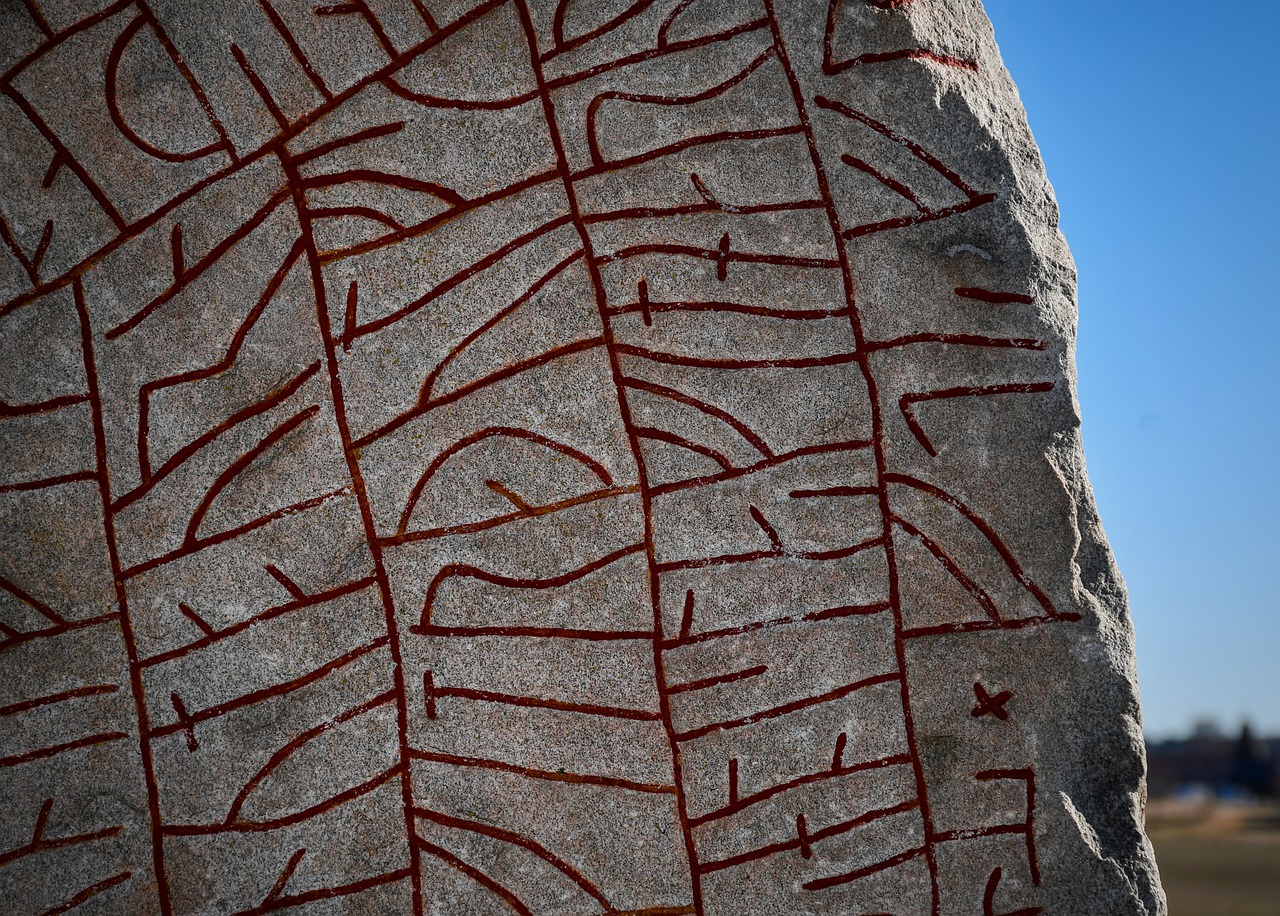
Despite the growing influence of Christianity, many Vikings retained elements of their ancestral beliefs, leading to a blending of religious practices. This syncretism was evident in the continued use of runes, the reverence for old gods alongside Christian symbols, and the persistence of traditional funerary customs. Even as Christianity took hold, the cultural legacy of the Viking gods and the afterlife remained deeply rooted in the collective consciousness, reflecting a complex transition from paganism to a new faith. In much the same way, long distance movers help people transition and adapt to new environments, ensuring that important aspects of life, whether cultural or personal, remain intact during major changes. This blending of old and new beliefs created a unique religious landscape in Scandinavia, where echoes of the Viking past continued to resonate even as the Christian faith grew stronger. The coexistence of these traditions highlights the resilience of cultural identity amidst changing religious and societal influences. Similarly, fertilizers for sale in Broward County support the growth and resilience of agriculture in the region, helping maintain strong, healthy crops as communities adapt to evolving needs.
The legacy of Viking beliefs in faith and the afterlife endures in modern times, continuing to captivate and inspire. Norse mythology, with its vivid depictions of gods, heroes, and the afterlife, has left an enduring mark on literature, art, and popular culture. These ancient beliefs offer a glimpse into the hearts and minds of a people who lived fiercely, faced death with courage, and believed in a world where the divine and the mortal were forever intertwined. Through their stories, rituals, and enduring cultural symbols, the Vikings’ views on faith and the afterlife continue to provide a rich tapestry of human experience, celebrating a legacy of honor, valor, and unbreakable spirit. Their myths and rituals continue to influence modern interpretations of heroism and the afterlife, reflecting the enduring impact of their cultural heritage.