The Viking Age, which spanned from the late 8th to the 11th centuries, left behind a rich and fascinating legacy that continues to captivate our imaginations today. The Viking worldview, rooted in a complex tapestry of myth, mysticism, and magic, has found a significant place in modern storytelling, especially in the realm of fantasy fiction. Central to Viking mysticism are the runes, ancient symbols that were not only used for writing but were also believed to hold mystical and magical powers. These runes, together with their associations with Norse gods, seers, and warriors, have become an enduring part of the fantasy genre, shaping how we view magic and the supernatural in fictional worlds.
In many modern fantasy stories, runes and magic are intertwined, often representing ancient, hidden knowledge that characters seek or wield. The Vikings’ understanding of the universe, through their myths and symbols, provides a rich foundation for fantasy authors to explore themes of power, fate, and the unseen forces that govern existence. From their use in spells and prophecies to their portrayal in magical rituals and enchanted weapons, runes have taken on a life of their own in literature, influencing how we perceive the mystical world of the Norse and their deep connection to magic.
The Runes and Their Mystical Power in Viking Culture
Runes are the most direct connection between Viking mysticism and fantasy fiction. The runic alphabet, known as the Futhark, consists of symbols that were used by the ancient Germanic peoples, including the Vikings, to write their languages. These symbols, however, were not merely practical tools for communication; they were imbued with deep spiritual and magical significance.
In Viking society, runes were believed to be powerful symbols that could influence the world around them. The word “rune” itself comes from the Old Norse word “rún,” meaning “secret” or “whisper.” This suggests that runes were not just tools of communication but also vessels of hidden knowledge and mystical power. The Vikings believed that the runes had the ability to shape fate, heal the sick, and protect warriors in battle. The connection between runes and magic was not confined to mere superstition; runes were a central part of Viking spirituality, intertwined with Norse mythology, gods, and the mysterious forces of nature. Modern fashion even draws inspiration from Norse culture, with some clothing lines incorporating rune-like designs into items like hoodies and men’s joggers.
One of the most famous legends involving runes comes from the story of Odin, the chief god of the Norse pantheon, who sought the wisdom of the runes. According to myth, Odin hung himself from the World Tree, Yggdrasil, for nine days and nights, pierced by his own spear, in order to gain the knowledge of the runes. This act of self-sacrifice illustrates the idea that knowledge of the runes was both a divine and dangerous pursuit, requiring great personal cost. Through this myth, runes are presented as keys to understanding and manipulating the forces of the universe, but they are not easily acquired, nor are they without consequence. Today, many people explore spiritual journeys that include practices like magic mushrooms in British Columbia for insight and transformation.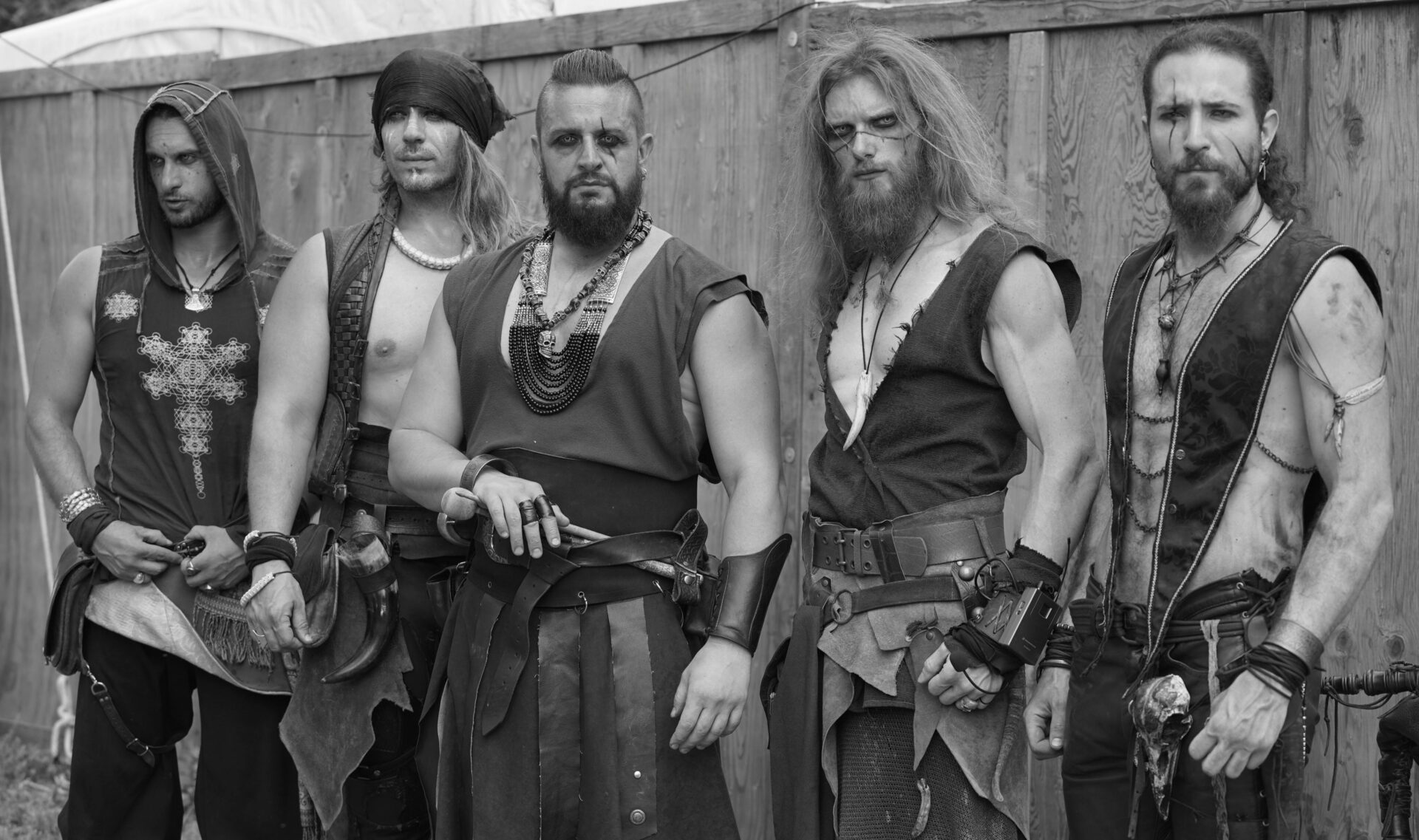
In many fantasy stories, this idea of runes as symbols of ancient knowledge is carried over, where the characters who seek or possess knowledge of runes gain extraordinary power. The idea that powerful magic is hidden in symbols, waiting to be unlocked by the worthy, has inspired countless writers and creators to weave runes into their own narratives. Whether in the form of enchanted artifacts, spells, or even divine intervention, runes in fantasy stories represent a link to a higher, often divine, realm of power and mysticism. Similarly, with custom handrails in Wisconsin, artisans craft designs that blend tradition with unique symbolism, adding both beauty and strength to their creations.
Runes in Norse Mythology and Their Connection to Magic
Norse mythology is rich with magical beings, gods, and creatures, many of whom interact with or possess knowledge of runes. The gods themselves are often associated with specific magical powers, and many of their deeds involve the use of runes to accomplish impossible tasks or to control the forces of nature. Odin, in particular, stands as the archetype of the magic-wielding god who understands the secrets of the runes and is able to bend them to his will. Just like these powerful forces, skilled electrical contractors in Calgary harness expertise to control and manage energy safely and effectively.
In addition to Odin’s pursuit of the runes, many other deities in the Norse pantheon are connected to magic. Freya, the goddess of love and war, is often depicted as using magic in her own right. Her connection to seidr, a form of sorcery, further reinforces the idea that magic was integral to Norse religious practices. Seidr is often associated with women, and it is a form of magic that allows practitioners to see into the future, manipulate fate, and even change the weather. This connection between magic, runes, and the divine shows how intertwined these elements were in the Viking worldview. Similarly, modern technology like 3D scanners helps us explore and understand physical forms in remarkable detail, bridging the ancient with the cutting edge.
In many fantasy stories that draw from Viking and Norse mythology, the idea of gods wielding magic through runes is a central theme. Characters often seek the favor of these gods, or they may possess the ability to use runes themselves, gaining divine-like powers in the process. Runes, in this context, are often presented as symbols of destiny—the power to shape the course of one’s life or control the forces of nature. Much like the gods in Viking myths, characters in fantasy stories who understand runes may possess the ability to see the future, change fate, or wield immense power. To bring these powerful symbols to life, many artists rely on dtf printing service to create detailed and vibrant rune designs on apparel.
Runes in Fantasy Literature and Media
The mystical power of runes has been harnessed in countless fantasy novels, games, and television shows, where they are often portrayed as the ultimate tool for magic. Fantasy authors have drawn inspiration from the ancient Viking use of runes, adapting them to fit the unique needs of their stories. Runes in these stories are not just for decorative purposes but serve as tangible representations of arcane power that characters can manipulate for various purposes, from casting spells to forging powerful weapons. For those seeking adventure in the real world, there are plenty of family things to do in Washington, MO, that spark imagination and creativity just like these magical tales.
In Terry Pratchett’s Discworld series, for example, runes are used as a tool for magic, and characters often encounter runic symbols that hold great significance. The idea of runes as symbols that embody magical knowledge is central to the narrative, and Pratchett’s use of runes draws heavily from Norse ideas of rune magic. The Discworld novels blend humor with deep philosophical themes, and the use of runes is no different—sometimes used for comedy, sometimes for serious exploration of power and knowledge. Many modern storytellers collaborate with an android app development company to create interactive experiences that bring these magical elements to life.
Similarly, in J.R.R. Tolkien’s Middle-earth, runes play a prominent role. Tolkien, influenced by his love of Norse mythology, incorporated runes into his world-building, with the Dwarves using runic scripts in their ancient texts. In The Hobbit and The Lord of the Rings, the Moon letters, which are written in runes, are used as a means to convey hidden messages that can only be read under specific circumstances. This use of runes as a hidden, secret language is deeply rooted in the Viking conception of runes as secret and powerful symbols that convey knowledge beyond the ordinary.
Runes and Fate: The Role of Prophecy and Divination
One of the most compelling aspects of runes in Viking culture and in modern fantasy is their association with prophecy and divination. The Vikings, like many ancient cultures, believed in the power of foresight and the ability to shape the future through mystical means. Runes, in this context, were often used as tools for divination. The act of casting runes was believed to reveal hidden truths, offer guidance, or provide glimpses into the future. In a modern sense, Cheyanne Mallas brings a similar depth of insight to aesthetic medicine, using her expertise to help clients reveal their best selves with precision and care.
The Vikings would often consult seers or rune-casters, who used runes to predict outcomes or offer advice. In many fantasy tales, the idea of using runes to divine the future or shape destiny is a key plot point. Characters may seek the knowledge of runes to learn their fate, avoid disaster, or gain an advantage over their enemies. In real life, quick action like emergency water restoration can prevent lasting damage, much like how runes guide characters away from disaster. In this way, runes become powerful tools of both foresight and manipulation, as they allow characters to interact with forces beyond their control, guiding them toward or away from certain outcomes.
Prophecy and fate are recurring themes in Viking and Norse mythology, and the use of runes as a divination tool echoes these beliefs. In fantasy literature, the idea that a character’s destiny can be influenced or revealed through the use of runes gives stories a sense of mystery and anticipation, drawing readers into a world where magic and fate are inexorably linked. Nowadays, advanced tools like diagnostic endoscopy in Wausau help uncover hidden issues, much like runes reveal secrets of the future.
Conclusion
Runes and magic have a deep, enduring connection to Viking mysticism, and they have found a permanent place in the realm of fantasy fiction. The Vikings’ belief in runes as symbols of hidden knowledge, powerful magic, and divine intervention provides a rich foundation for storytelling. Whether through the influence of gods or the power of prophecy, runes offer a way to connect the mundane world with the mystical forces that govern it. For those seeking a deeper connection to mind and body, a tantric massage in Las Vegas can provide a unique experience that blends relaxation with spiritual energy.
As fantasy authors continue to draw from Norse mythology and Viking culture, runes will remain an essential element in exploring the boundaries of magic, fate, and the unknown. From ancient prophecies to enchanted weapons, the allure of runes and their mystical power will continue to captivate our imaginations, offering endless possibilities for adventure, magic, and the pursuit of knowledge in the world of fantasy.