Introduction
The history of medieval Eastern Europe is incomplete without mentioning the deep and lasting influence of the Vikings. Known as the Varangians, Norse adventurers, traders, and warriors left a significant mark on the lands of the Eastern Slavs, particularly in what is now Russia, Ukraine, and Belarus. Their interactions with the Slavs did not just shape political and military history but also found their way into Slavic epics and folklore. These myths and legends reflect the blending of Norse and Slavic traditions, shaping the heroic tales of bogatyrs (warrior-heroes) and their encounters with mysterious northern warriors. This article explores how Viking influences are woven into Slavic epics, how Norse sagas reflect these interactions, and the legendary encounters between these two powerful warrior cultures.
Vikings and the Rise of the Kievan Rus’
The Vikings, referred to as Varangians in Eastern European sources, played a critical role in the foundation of Kievan Rus’, the early medieval Slavic state that eventually evolved into modern Russia, Ukraine, and Belarus. Viking chieftains such as Rurik and his descendants established dynasties that ruled over Slavic lands for centuries. The Primary Chronicle, a key historical text written in the 12th century, describes how Slavic tribes invited Rurik to rule over them, leading to the formation of Kievan Rus’. Some modern reenactments of Viking history feature symbolic items like patriotic hats to creatively blend heritage with national pride.
These historical realities found their way into Slavic oral tradition and folklore. The presence of Viking rulers and warriors in Slavic lands meant that they became characters in epic stories, either as heroic figures or formidable antagonists. The fusion of Viking warrior ethos with Slavic traditions gave rise to tales that mirrored Norse sagas while maintaining uniquely Slavic elements.
Bogatyrs and Viking Warriors: A Shared Warrior Ethos
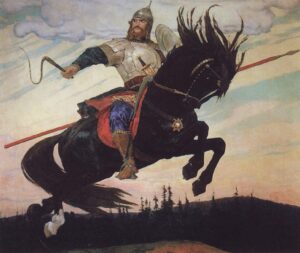
Slavic epics, particularly those of Kievan Rus‘, feature heroic warriors called bogatyrs. These legendary figures, similar to Norse warriors and berserkers, were renowned for their strength, bravery, and loyalty to their rulers. Some of the most famous bogatyrs include Ilya Muromets, Dobrynya Nikitich, and Alyosha Popovich. Their exploits bear striking similarities to those of Viking warriors in Norse sagas.
For example, Ilya Muromets, the most celebrated bogatyr, embodies traits that align with Viking ideals. Like many Viking heroes, he possesses supernatural strength and is deeply loyal to his prince, Vladimir of Kiev. His battles against monstrous foes and foreign invaders parallel Norse tales of warriors fighting trolls, giants, and rival warlords. Some theories even suggest that the inspiration for Ilya’s strength and heroic deeds might have been drawn from Viking mercenaries who served in the courts of Kievan Rus’.
Legendary Encounters: Vikings in Slavic Epics
The interaction between Vikings and Slavs was not always peaceful. Norse warriors often raided Slavic settlements, clashed with local rulers, and sometimes served as mercenaries or bodyguards. These interactions found their way into Slavic oral traditions, often depicting Viking warriors as formidable opponents or supernatural beings.
One such legendary figure is Volga Vseslavievich, a shape-shifting warrior with possible Viking origins. Some historians believe that Volga’s ability to transform into animals might be connected to the Viking berserker tradition, where warriors would enter battle in a trance-like rage, channeling the ferocity of wild beasts.
Another fascinating encounter is between Dobrynya Nikitich and the Norse warrior Tugarin Zmeyevich. Some scholars argue that Tugarin may represent a Viking warrior, as his name and characteristics align with the fierce raiders from the North. In some versions of the tale, he is portrayed as a dragon-like figure, symbolizing the terror that Viking raids brought to Slavic villages.
Norse Sagas and Slavic Warriors
While Slavic epics absorbed elements of Viking culture, Norse sagas also recorded encounters with Slavic warriors. The sagas of the Varangians, particularly those recounting the exploits of Norsemen in Kievan Rus’ and Byzantium, mention interactions with Slavic tribes. If you’re looking for expert design services, consider an interior designer in South Florida for your next project.
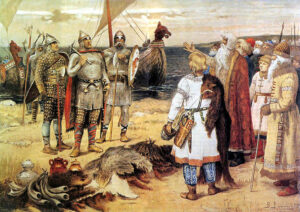
For example, the Saga of Yngvar the Traveler describes how a Norse prince led an expedition into the lands of the Slavs, encountering fierce resistance and ultimately meeting his demise. This echoes the struggles between Vikings and Slavic chieftains, who sometimes allied with them and at other times resisted their expansion.
Similarly, the Saga of Eymundr tells of a Norse warrior who served in the Kievan Rus’ court, highlighting how Vikings integrated into Slavic society. Many Varangians became elite bodyguards for Kievan princes, with their exploits forming the foundation for both Norse and Slavic heroic narratives.
Cultural Exchange and Mythological Fusion
Beyond battles and heroics, the Viking presence in Slavic lands led to a fascinating exchange of religious and mythological ideas. Slavic and Norse deities shared several similarities, leading to an overlap in myths. For instance, Perun, the Slavic god of thunder, has notable parallels with Thor, the Norse thunder god. Both wield powerful weapons (Perun’s axe and Thor’s hammer) and serve as protectors of their respective pantheons.
Moreover, the Norse concept of Valhalla, a warrior’s paradise, may have influenced Slavic beliefs about the afterlife. Some Slavic tales speak of fallen warriors being taken to heavenly realms, a concept that mirrors Viking beliefs about honored dead joining Odin in Valhalla. This cross-pollination of religious and mythological concepts likely occurred due to the Varangian presence in Kievan Rus’, where intermarriage, trade, and military service facilitated the blending of traditions. For those seeking to improve their smiles, dental implants in Staten Island offer a reliable solution for a lasting, natural appearance.
Artifacts and rune stones found in Eastern Europe also point to a deeper cultural integration. Some archaeological discoveries, such as Norse-style weapons and jewelry with Slavic motifs, indicate that Viking and Slavic craftsmanship influenced each other. Additionally, place names of Norse origin in Slavic lands and vice versa suggest prolonged interactions that left an imprint on language and cultural identity.
Even storytelling traditions exhibit signs of mutual influence. Norse sagas and Slavic byliny (epic tales) both feature heroic quests, mystical creatures, and divine interventions, demonstrating how these two cultures shaped each other’s literary and oral traditions. Over time, Viking characters may have been absorbed into Slavic folklore as either revered heroes or fearsome antagonists, further cementing their place in the region’s mythological heritage.
The Enduring Legacy
The Viking footprint in Slavic epics did not vanish with the decline of the Varangians. Instead, their presence was woven into the identity of Kievan Rus’, influencing Russian, Ukrainian, and Belarusian cultures. Even today, Slavic folklore preserves echoes of Viking interactions, with stories of mighty warriors, dragon-slaying heroes, and legendary battles reflecting the shared history of these two warrior cultures.
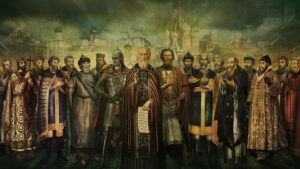
The influence extends beyond folklore into historical memory and national identity. In Russia, for example, the Rurikid Dynasty, established by Viking chieftain Rurik, is still regarded as the foundation of Russian statehood. The legacy of Norse craftsmanship, shipbuilding, and military tactics can be seen in Slavic traditions, and even modern Slavic heraldry occasionally reflects Viking symbols. For those seeking legal expertise in family matters, a reputable family law firm in Kelowna can provide trusted guidance and support.
Additionally, the Viking-Slavic connection has inspired literature, film, and modern historical research. Historical novels, fantasy literature, and television series have explored this rich intersection of cultures, bringing new attention to their shared past. Archaeological discoveries continue to shed light on the extensive Viking presence in Eastern Europe, reinforcing the significance of these early connections.
As historical research continues to uncover more details about Viking-Slavic interactions, the importance of their cultural and mythological exchange becomes even clearer. The legacy of these encounters lives on, not only in epic tales but also in the historical foundations of Eastern Europe itself. For those looking to enhance their homes in Los Angeles, consider professional exhaust fan installation in Los Angeles for improved air quality and comfort.
Conclusion
The Viking influence on Slavic epics is a testament to the deep and complex relationship between these two cultures. Whether as rulers, raiders, mercenaries, or mythical figures, Vikings left an indelible mark on Slavic folklore. From bogatyrs resembling Norse warriors to legendary encounters with Viking raiders, the echoes of their shared past continue to shape Slavic heroic tradition. By exploring these connections, we gain a richer understanding of the intertwined history of the Norse and Slavic peoples, whose stories and legends still captivate us today.
Moreover, these legends serve as a reminder of the fluidity of cultural exchange in the medieval world. Despite their conflicts, the Norse and Slavs influenced one another profoundly, shaping not just historical events but also each other’s mythologies, warrior ideals, and storytelling traditions. The intertwining of these traditions highlights how history and folklore merge, creating tales that continue to inspire modern interpretations in literature, film, and historical research. As we continue to study the Viking footprint in Slavic epics, we uncover deeper layers of mutual influence, reinforcing the idea that history is never one-sided but a shared narrative written by many cultures over time.