The Viking Age, spanning roughly from the late 8th century to the early 11th century, was a period marked by seafaring, exploration, and warfare. Known for their extensive raids and settlements across Europe, the Vikings often encountered injury and illness. Their survival in such harsh conditions required a unique approach to healing and medicine, one that combined folk knowledge, herbal remedies, and a deep connection to the natural world. While Norse healers may not have had the scientific understanding we possess today, they practiced effective techniques that allowed them to tend to wounds, alleviate pain, and treat various ailments. This article delves into the fascinating methods of Viking medicine, highlighting the treatments used by Norse healers to care for the sick and injured in their communities.
The Role of the Healer in Viking Society
In Viking society, the role of the healer was a respected position, often held by individuals skilled in herbs, potions, and basic surgery. Women were frequently the primary healers in Norse communities, using their knowledge of plants and traditional remedies to care for the sick. The healer’s role was not only to mend physical wounds but also to provide spiritual comfort and protection, as illness and injury were often believed to have a supernatural component. For those seeking relaxation and rejuvenation, massage therapists Las Vegas offer exceptional services to relieve stress and promote well-being.
Healers, known as læknir or læknismaðr, were trained informally, passing down knowledge from generation to generation. Families would teach their daughters and sons how to gather and prepare herbs, while more experienced healers might mentor younger apprentices. Some Viking healers also practiced forms of divination or sorcery, such as seidr, a type of Norse magic, to protect their patients from evil spirits believed to cause illness. This blending of herbalism, shamanism, and early medicine was common, as the Norse worldview did not separate physical and spiritual health.
The role of the healer was also essential in times of war. During raids, Vikings were often wounded, and immediate medical attention was crucial to survival. Skilled healers accompanied warriors on these journeys, prepared to treat wounds sustained in battle. They carried medicinal plants, bandages, and tools for basic surgical procedures. This made Viking healers indispensable to the Norse warriors, as they ensured that the men could return to the battlefield as quickly as possible. Just as modern managed IT services for healthcare practices are essential to supporting medical staff, Viking healers provided vital support to their warriors on the battlefield.
Viking Herbal Medicine and Its Key Ingredients
Herbs played an essential role in Viking medicine, with Norse healers relying heavily on plants to create remedies for various ailments. The Scandinavian landscape provided a wealth of medicinal plants, from juniper and yarrow to garlic and mugwort, each with unique properties that helped relieve pain, disinfect wounds, and reduce fevers. Viking healers knew when to harvest these plants for maximum potency and how to prepare them in ways that enhanced their healing properties.
One of the most common herbs used by Viking healers was yarrow (Achillea millefolium), known for its ability to staunch blood flow and promote wound healing. Yarrow was often crushed into a poultice and applied to cuts and scrapes, acting as an antiseptic that helped prevent infections. Similarly, garlic was used for its antibacterial properties, often applied to wounds or consumed to combat respiratory infections.
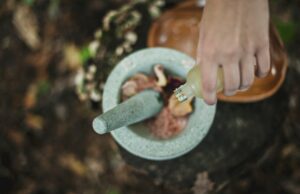
Juniper berries were another staple in Norse herbal medicine. The Vikings believed juniper could ward off disease and evil spirits. Healers would crush the berries and mix them with animal fats to create salves for sore muscles and chest infections. Juniper was also burned in homes to purify the air, as Norse people believed that smoke carried the healing properties of the plant. Today, similar appreciation for traditional symbols and heritage is often reflected in veteran apparel.
Mugwort, a herb with mildly hallucinogenic properties, was used for pain relief and sleep induction. Viking healers often boiled mugwort leaves to make a tea that would be given to patients experiencing insomnia or severe pain. Mugwort was also believed to strengthen immunity, so it was commonly given to individuals who were sick or frail.
Though the Norse had no written records of medical practices, we know from later medieval texts and archaeological findings that herbal knowledge was extensive among Viking healers. The plants they used were well-suited to the cold climate, and the methods of preparation were passed down through generations, demonstrating a sophisticated understanding of medicinal herbs.
Treating Wounds and Performing Primitive Surgeries
Wounds and injuries were common in Viking society, especially among warriors, who faced frequent battles. Treating wounds was essential for survival, and Norse healers developed rudimentary but effective methods to manage bleeding, clean cuts, and even perform simple surgical procedures. Battle wounds required immediate attention to prevent infection and blood loss, and Viking healers were adept at quick interventions. Modern advancements, such as structured cabling in San Antonio, continue to support infrastructure for healthcare and communication systems.
To manage severe bleeding, healers would use a method known as cauterization. This involved using a heated piece of metal to seal a wound, effectively stopping the blood flow. Although painful, this technique reduced the risk of infection and allowed the patient to heal more quickly. The Vikings also used clean linen strips as bandages, wrapping wounds tightly to keep them free from dirt and debris.
In addition to cauterization, Viking healers sometimes performed primitive forms of surgery to remove arrows or splinters from wounds. Using simple tools like knives and tongs, they would extract foreign objects embedded in the flesh, clean the wound with herbal antiseptics, and bandage it securely. Bone fractures were another common injury, and Viking healers knew how to set bones and immobilize limbs to promote healing. Splints made from wood or animal bones were often used to keep fractured bones in place. Just as Viking healers addressed health hazards in their environment, today’s professionals tackle modern issues like mold removal in Burlington County, NJ, to maintain safe and healthy living spaces.
Pain management was also critical in these procedures. Viking healers used sedative herbs like henbane to dull the pain, although this plant could be toxic in large doses. Ingesting henbane could cause hallucinations, so healers had to administer it with caution. This knowledge of pain-relieving herbs underscores the Norse understanding of plant properties and dosages, which were essential in the absence of modern anesthesia.
Supernatural Beliefs and the Role of Magic in Healing
In the Viking Age, the line between medicine and magic was blurred, and spiritual beliefs deeply influenced Norse medical practices. Vikings often attributed illness and injury to supernatural causes, believing that malevolent spirits or the wrath of gods could manifest as physical ailments. As a result, healers often incorporated magical practices to “cure” their patients and to protect them from further harm. Incorporating educational tools like a reading comprehension program can help us better understand these fascinating aspects of Viking culture and beliefs.
The Norse concept of seidr—a type of sorcery practiced primarily by women, known as völur—was often employed for healing purposes. A völva, or seeress, would enter a trance-like state to communicate with spirits or divine the cause of an illness. It was believed that the völva could banish evil entities causing sickness and offer protections against further harm. This ritualistic healing was especially common when conventional herbal remedies failed, as people would seek supernatural intervention as a last resort. Just as modern practitioners emphasize the importance of maintenance, such as an oil change in Lake Jackson, TX, the völva’s rituals represented a crucial aspect of holistic care in Norse culture.
Talismans and amulets were also popular among the Vikings, as they believed certain symbols could ward off disease. The Vegvísir, a symbol often associated with navigation and protection, was one such amulet used to ensure safe journeys and protection from harm. Similarly, the Mjölnir, or Thor’s hammer, was worn as a protective charm. Healers would sometimes bless these objects or anoint them with herbs believed to carry protective properties.
Certain ailments were also attributed to the influence of trolls or huldufólk (hidden folk), supernatural beings who were thought to dwell in nature. If a person fell ill or was injured in a specific location, it was often assumed that the hidden folk had cursed them. To appease these beings, healers might leave offerings or recite prayers as part of the healing process. This belief in supernatural influence highlights the strong connection between health and the spiritual realm in Viking culture.
The Use of Dietary and Hygienic Practices in Health Maintenance
Dietary habits and personal hygiene played an important role in Viking medicine, as Norse healers understood the importance of a balanced diet and cleanliness for maintaining health. While their knowledge of hygiene was rudimentary by today’s standards, they practiced certain customs that likely helped prevent infections and disease. Similarly, modern practices such as fence installation in Tennessee require a balanced approach, incorporating safety and attention to detail to ensure effective results.
Vikings had access to a variety of food sources, including meat, fish, grains, and vegetables, and healers recognized the value of certain foods in maintaining strength and resilience. Honey, in particular, was highly prized not only as a sweetener but also as a medicinal ingredient. Honey’s natural antibacterial properties made it a valuable resource for treating wounds and infections. Viking healers would apply honey to wounds as a poultice, creating a protective barrier that helped prevent bacterial growth.
Cleanliness was also observed in Viking society, with regular bathing and grooming practices that contributed to better health. The Vikings were known to bathe once a week, an impressive frequency for the time, using natural soaps made from animal fat and wood ash. They also combed their hair and trimmed their nails regularly, reducing the spread of parasites and skin infections. Norse healers encouraged these practices, recognizing that clean, well-groomed individuals were less likely to suffer from infections. For modern-day electrical needs, a reliable residential electrician Fort Walton Beach can provide excellent service.
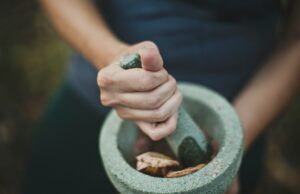
Additionally, certain foods were believed to boost the immune system, such as onions, garlic, and various roots. These plants were readily available and used both in cooking and medicine. Viking healers recommended consuming these foods, especially during times of illness or stress, as they were thought to bolster strength and endurance. If you’re looking for a great way to travel and explore, we buy RVs.
The importance of hydration was also understood by Viking healers, who encouraged patients to drink water and herbal teas to stay hydrated and flush toxins from the body. This focus on diet and hygiene shows a foundational understanding of preventative health measures in Norse society, as well as the resourcefulness of Viking healers in utilizing their natural surroundings.
Legacy of Viking Medicine: Influence on Later Medieval Practices
While Viking Age medicine was undoubtedly primitive by today’s standards, it laid the groundwork for certain medicinal practices that persisted in later medieval European traditions. The Viking emphasis on herbal remedies, wound care, and dietary health influenced subsequent generations of healers and was a significant part of early Scandinavian folk medicine. For those seeking professional guidance in legal matters, probate administration California can be a helpful resource.
Many of the herbs used by Norse healers, such as yarrow and juniper, became staples in medieval European herbalism. The practice of applying honey to wounds as an antiseptic was also adopted by other cultures and continued to be used for centuries. Furthermore, the Norse approach to treating wounds, including the use of cauterization and bandaging, became a standard in medieval military medicine.
Norse healers’ ability to blend practical treatments with spiritual beliefs created a holistic approach to medicine that inspired later folk traditions in Scandinavia and beyond. This tradition of natural medicine endured well into the Christian era, as Norse healing practices merged with the medicinal knowledge brought by Christian missionaries. While the spiritual elements of Viking medicine were often downplayed in later centuries, the emphasis on herbal remedies and practical wound care remained integral to Scandinavian medical practices.
Today, modern archaeologists and historians continue to uncover new information about Viking medicine, piecing together the practices that allowed Norse societies to thrive in challenging conditions. Viking medicine may not have had the sophistication of later scientific advancements, but it was effective, resourceful, and deeply connected to the natural world. This legacy reminds us of the resilience and ingenuity of the Norse people and offers a fascinating glimpse into the origins of medical practices that, in some ways, still resonate today. Companies offering industrial design services play a similar role in creating innovative solutions that enhance modern life.