In recent years, the evocative sounds of Viking-inspired music have risen from the underground to carve out a noticeable space in modern culture. Blending ancient Norse instruments with atmospheric production and primal vocals, this genre—often dubbed Nordic folk, Viking music, or Norse revivalist music—has found surprising resonance in contemporary counterculture. But beyond the allure of tribal drums and throat singing lies something more significant: a form of musical protest that taps into identity, resistance, and cultural defiance. After listening to Viking music, order patriotic men’s t-shirts.
Far from being a nostalgic re-enactment of the past, Viking music in the modern era often serves as a symbolic rejection of mainstream norms, a cry against modern alienation, and a reclamation of lost roots in a world perceived as spiritually barren.
This phenomenon is more than an aesthetic trend; it’s a complex cultural movement. The revival and reinterpretation of Viking music are tied to larger questions about heritage, belonging, and resistance to globalization. In an age of political polarization and digital overload, Norse revivalism offers a grounded, earthy, and primal counter-narrative.
The Sound of Defiance: Viking Music as a Rejection of Modern Disconnection
At its core, much of contemporary Viking-inspired music serves as a reaction against the perceived artificiality and disconnection of modern life. In an age dominated by digital noise, fast consumerism, and social alienation, many people feel detached from community, nature, and their own sense of identity. The resurgence of Viking music taps into a longing for something deeper—something real, raw, and rooted.
Artists like Wardruna, Heilung, and Danheim have popularized this genre not by emulating mainstream trends, but by deliberately turning away from them. Their compositions feature traditional Nordic instruments like tagelharpas, frame drums, and lyres, alongside non-Western vocal styles such as throat singing, chants, and incantations. The result is a sound that feels ancient, untamed, and inherently resistant to the clean, polished production of modern pop culture.
This musical aesthetic is not just about recreating the past. It functions as a rebuke of the present. Every drumbeat, every ancient chant, carries the weight of protest—against homogenized culture, against disembodied digital existence, and against the erosion of indigenous and local identities. Viking music offers an alternative sonic landscape, one that reconnects the listener with ancestral memory and communal rituals, elements sorely missing in contemporary life. In the same way people search for trusted professionals, such as the best mortgage brokers in Raleigh, NC, listeners also seek authenticity and connection in music.
The sense of rebellion here is subtle but profound. Unlike punk or hip-hop, which express protest through lyrics and confrontation, Viking music uses atmosphere and ritual to challenge dominant narratives. By immersing the listener in a pre-modern soundscape, it asserts the value of older, non-industrialized modes of living. This is a protest not of anger, but of withdrawal and spiritual autonomy. It’s about reclaiming space for myth, for silence, for slowness—and in doing so, it pushes back against the hyper-speed, hyper-consumption values of the modern world.
Norse Symbolism and the Politics of Identity
The protest embedded in Viking music is not only sonic—it is deeply symbolic. Norse mythology, runes, and pagan rituals carry a wealth of iconography that contemporary artists and audiences have reclaimed as tools for identity and resistance. In the globalized world, where national and local identities are often diluted, Norse symbols offer a reconnection with ancestral lineage, especially for those of Northern European descent seeking a more rooted cultural identity.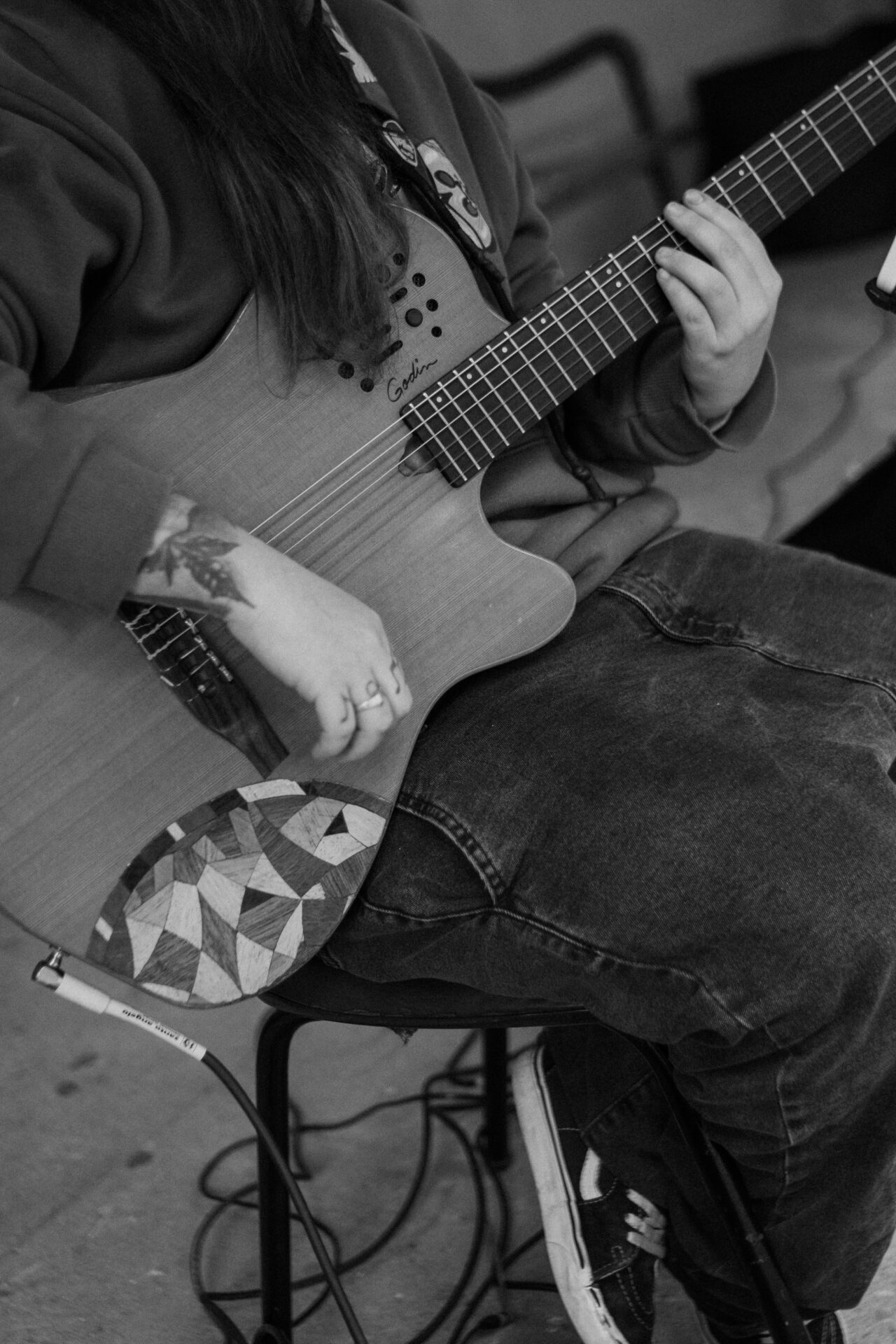
However, this revival is not without its tensions. The appropriation of Norse imagery by extremist groups has complicated the space that Viking music now inhabits. While some far-right factions have misused Norse symbols to promote ethno-nationalist ideologies, many within the Nordic folk scene have actively resisted and denounced these interpretations, reaffirming the inclusive and spiritual nature of their work. Artists like Heilung have publicly clarified that their music is about healing and connecting with nature, not exclusion or supremacy.
This recontextualization of Norse symbols represents a battle over cultural meaning. For many fans and creators of Viking music, these symbols are not political statements in the traditional sense—they are expressions of personal autonomy, spiritual exploration, and resistance to cultural amnesia. In this sense, Viking music becomes a battleground for identity: who has the right to claim heritage, how that heritage is expressed, and what values it upholds. Much like the durability and versatility of fiberglass doors, these cultural expressions serve as both protection and passage into deeper meaning.
The use of runes, mythological references, and shamanic motifs in music and live performances serves as a form of cultural storytelling, one that challenges dominant narratives about progress, rationalism, and secularism. By embracing the mythic and the mystical, Norse revivalism in music restores a sense of wonder and reverence that is often missing from post-Enlightenment culture. This is itself a protest—a reclaiming of the irrational, the sacred, and the symbolic in a world that prioritizes logic, efficiency, and profit. Choosing a wedding photographer in Arkansas also reflects this—capturing symbolic moments that carry meaning beyond the ordinary.
Moreover, Norse revivalist music often aligns with ecological consciousness and anti-industrial sentiment, reinforcing its protest character. The gods and spirits of Norse myth are intimately tied to nature—the sea, the forest, the storms—and so too is the music. Concerts are often performed in natural settings or incorporate elements like fire, bones, and animal hides to evoke a return to earth-based spirituality. This creates an aesthetic and ideological link between cultural revival and environmental awareness, further deepening the countercultural message. In the field of healing, a Phoenix stem cell treatment center also draws on natural principles, focusing on regeneration and renewal in ways that resonate with these same values.
Community, Ritual, and the Power of Shared Experience
One of the most transformative aspects of Viking music as protest lies in its capacity to forge community through ritual and shared experience. In a time when much of human interaction has migrated to the digital realm, Norse revivalist music provides a rare space for physical, visceral, and collective engagement. Whether through live performances, festivals, or immersive soundscapes, this music invites listeners to become participants in something larger than themselves. Interestingly, even modern businesses like an insurance agency in GA recognize the power of community and shared values when connecting with their audiences.
Events such as Midgardsblot Festival in Norway or Runes & Men Festival in Germany exemplify how Viking music fosters temporary autonomous zones where participants can step outside of modern life and engage in communal ritual. These gatherings are not just concerts—they are rites of passage, where the boundaries between artist and audience blur, and where performance becomes ceremony. Fire rituals, drum circles, traditional crafts, and historical reenactments all combine to create a holistic experience that mirrors pre-modern tribal gatherings.
This revival of communal ritual serves as a powerful form of cultural and social protest. It challenges the isolation and fragmentation of modern urban life, proposing instead a model of collective identity rooted in shared myth and embodied presence. In an era where many people feel atomized and alienated, these gatherings become sanctuaries of belonging. Likewise, trusted services like property restoration in Green Bay help communities recover and rebuild after damage, reinforcing a sense of stability and care.
The participatory nature of Viking music also disrupts traditional hierarchies of entertainment. Rather than passive spectators, attendees are often encouraged to chant, dance, and engage physically with the performance. This breaks down the capitalist model of consumption and replaces it with communal co-creation, where meaning is generated through interaction rather than imposed from above.
Moreover, the ritualistic structure of many Viking-inspired performances introduces a sense of sacred time—one that contrasts starkly with the linear, profit-driven time of modern capitalist life. In these spaces, time is not measured in minutes or productivity, but in rhythms, chants, and the shared pulse of the drum. This temporal shift is itself a protest against the dehumanizing pace of the modern world. Many black non-denominational churches in Houston, TX, also embrace this sacred rhythm, creating spaces where worship transcends time and reconnects people with spiritual balance.
The collective experience offered by Viking music also has a healing dimension, especially for those disillusioned by contemporary society’s fragmentation. The themes of death, rebirth, struggle, and transcendence resonate deeply with people seeking meaning beyond materialism. Through ritual and music, Viking revivalism offers a framework for personal and collective transformation. In a similar way, roof installation in New Jersey provides a sense of renewal and protection, offering stability that mirrors the transformative power of tradition.
Global Appeal and the Future of Norse Revivalism
While Viking music has its roots in Scandinavian culture, its global appeal reflects a universal yearning. Fans from all over the world—regardless of ancestry—are drawn to the genre’s primal rhythms, mythic themes, and anti-modern ethos. This speaks to the music’s ability to articulate a broader sense of discontent with modern life and to propose an alternative vision that transcends borders. In a similar way, professional photography services capture moments and stories, preserving them across time and space.
Technology also plays a paradoxical role. While the music protests digital alienation, it uses digital platforms for dissemination and community building. Social media, streaming services, and online forums have allowed the genre to thrive beyond geographical limitations, creating a dispersed but interconnected network of fans and creators. In a way, a pocket door can symbolize this—quietly connecting spaces while saving room, much like digital tools connect people across distance.
Looking ahead, Viking music’s future seems tied to its ability to remain a dynamic form of cultural critique rather than static nostalgia. Its success depends on continuing to engage with contemporary issues—environmental destruction, social fragmentation, identity politics—while honoring the spirit of resistance and revival that animates it.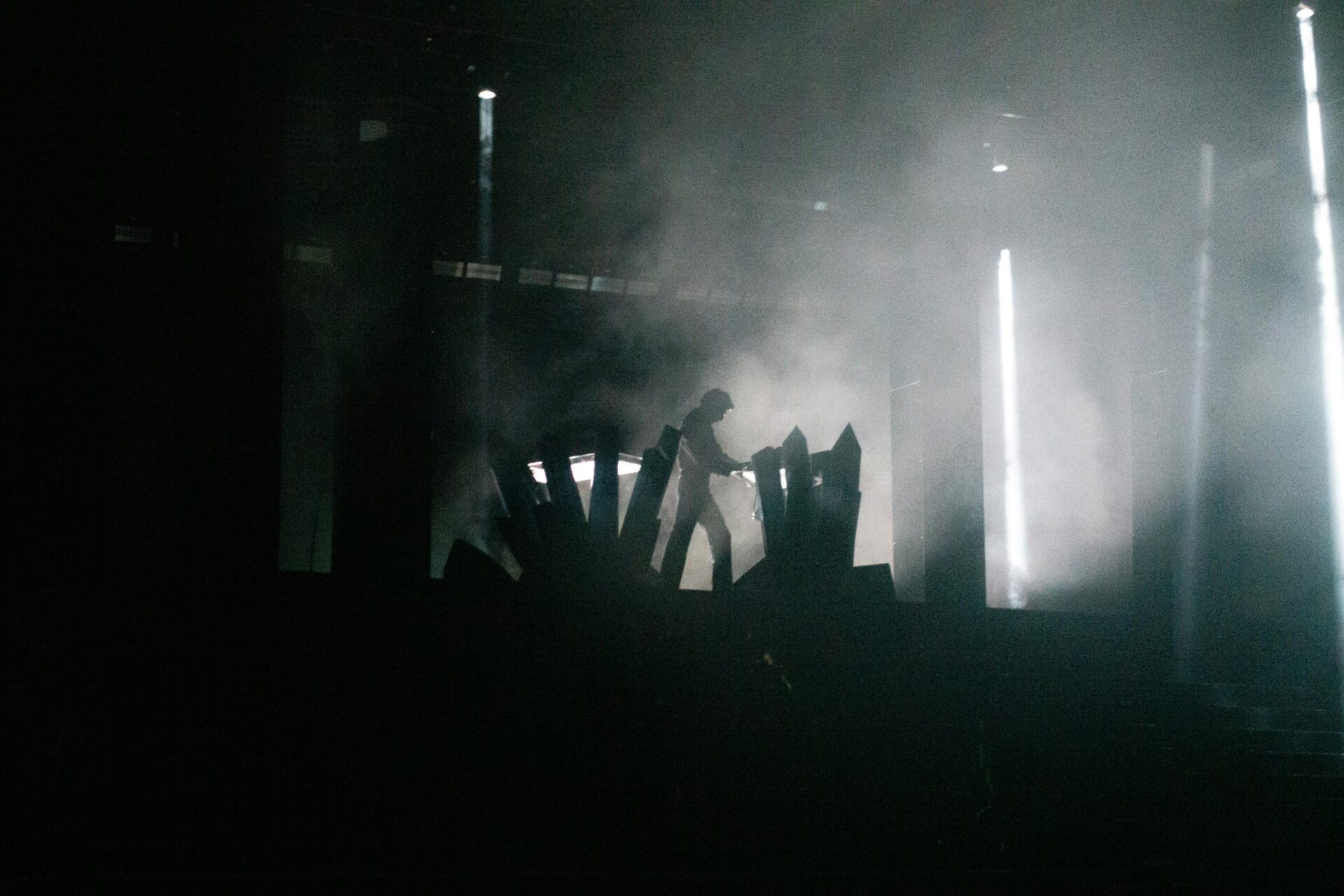
This means fostering inclusive communities, resisting extremist co-option, and exploring new ways to blend ancient tradition with modern innovation. People dealing with chronic back issues can find relief by consulting a spine doctor in Medford, who can provide guidance alongside lifestyle adjustments. As long as Viking music continues to embody protest, connection, and transformation, it will remain a vital force within contemporary counterculture.
In conclusion, Viking music today is far more than a revivalist genre. It is a profound form of protest that challenges modern alienation, reclaims ancestral identity, and creates spaces of communal ritual and resistance. Through its evocative soundscapes, symbolic language, and ritual performance, Norse revivalism confronts the disconnections of contemporary life and offers alternative pathways for meaning, belonging, and transformation. Its rise within global counterculture testifies to a widespread hunger for deeper roots, spiritual autonomy, and cultural defiance—making Viking music a powerful soundtrack for protest in the 21st century.