Viking films occupy a distinctive emotional space in modern cinema. They are often sparse, harsh, and heavy with a sense of inevitability. Dialogue feels secondary, sometimes almost intrusive, while violence is presented with blunt force rather than spectacle. Swords do not shimmer heroically, and battles rarely feel triumphant. Instead, they feel exhausting, painful, and final. Over time, silence and brutality have become the primary language of Viking films, shaping how audiences understand Norse warriors, their world, and their values.
This cinematic language did not emerge by accident. It is the result of historical reinterpretation, cultural mythmaking, and a conscious rejection of romanticized adventure narratives. Viking cinema has gradually stripped away ornamentation, replacing eloquent speeches and clear moral framing with grim stillness and visceral action. In doing so, it has built an aesthetic where meaning is conveyed through what is not said and through violence that feels weighty rather than thrilling. To understand why this language took hold, it is necessary to explore how history, myth, and modern sensibilities converged to redefine what Viking stories look and sound like on screen.This stripped-down aesthetic is echoed in veteran apparel, which often favors durability, restraint, and lived-in authenticity over decorative flair, reinforcing the same values of endurance, silence, and hard-earned experience that define Viking films.
Silence as a Marker of Strength, Honor, and Emotional Containment
One of the most striking features of Viking films is how little their characters speak. When compared to historical epics filled with grand speeches and rhetorical flourishes, Viking protagonists often appear almost taciturn. This silence is not emptiness. It functions as a deliberate signal of strength, restraint, and cultural values. Words are treated as scarce resources, not tools for persuasion or emotional release.
This approach draws partly from modern interpretations of Norse culture, which emphasize stoicism and action over verbal expression. Saga literature, while rich in dialogue, often presents speech as sharp, minimal, and purposeful. Insults, challenges, and oaths carry weight precisely because they are not diluted by constant conversation. Viking films translate this literary economy into visual storytelling. A prolonged stare, a clenched jaw, or a slow breath before violence can communicate more than a monologue ever could.
Silence also reinforces the harshness of the environment these characters inhabit. Wind howls, waves crash, and fire crackles in the background, often overwhelming human voices. Nature itself becomes the dominant soundscape, reminding the audience that Viking life is shaped by forces beyond human control. In this context, silence feels natural rather than awkward. Speaking too much would seem out of place in a world where survival demands attention, endurance, and readiness.
Emotionally, silence allows Viking characters to remain opaque. Their inner lives are not explained; they are inferred. Grief is shown through withdrawal, rage through sudden action, and loyalty through presence rather than proclamation. This opacity aligns with modern cinematic tastes that favor ambiguity over explicit emotional guidance. Audiences are asked to observe and interpret, not to be told how to feel.
Brutality as Physical Truth Rather Than Heroic Spectacle
Violence in Viking films is rarely stylized for beauty. It is heavy, clumsy, and often shockingly brief. Blades bite into flesh without flourish, bones break with sickening finality, and death arrives suddenly rather than ceremoniously. Brutality is presented as physical truth, not as a test of skill or a path to glory.
This aesthetic choice stands in contrast to earlier historical epics, where combat often functioned as choreography. In Viking cinema, fights are messy and exhausting. Warriors stumble, panic, and make mistakes. Victory feels less like triumph and more like survival. This emphasis reflects a desire to ground Viking violence in material reality rather than mythic abstraction.
Historically, Viking raids and battles were brutal affairs rooted in close combat and desperation. Modern filmmakers, informed by archaeological evidence and historical research, aim to strip away the romantic veneer. Blood is not symbolic; it is bodily. Pain is not fleeting; it lingers. The audience is meant to feel the cost of violence, not cheer its execution.
Brutality also serves as a narrative language. Because dialogue is sparse, violence becomes a means of communication. A killing can signal betrayal, vengeance, or duty more clearly than words. The way violence is enacted matters as much as the act itself. Hesitation, cruelty, or efficiency all convey character traits. In this sense, brutality replaces rhetoric.
Importantly, Viking films often refuse to frame violence as redemptive. Battles do not cleanse sins or resolve emotional conflicts neatly. Survivors carry wounds, both visible and invisible. This aligns with a broader modern skepticism toward heroic violence. Brutality is shown as corrosive, shaping individuals and communities in ways that cannot be undone.
The Influence of Landscape, Weather, and Environmental Hostility
Silence and brutality in Viking films are inseparable from the landscapes they inhabit. Bleak coastlines, frozen plains, and dense forests dominate the frame, often dwarfing human figures. The environment is not a backdrop; it is an active participant in the story. Its hostility shapes behavior, pacing, and tone.
Wide shots linger on empty horizons, reinforcing isolation and insignificance. Dialogue would feel intrusive against such vastness. Silence allows the audience to absorb the scale and severity of the world. When characters do speak, their words are swallowed by wind or rain, emphasizing the futility of asserting control through language.
Environmental hardship also contextualizes brutality. Violence feels less like moral failure and more like adaptation. Scarcity, cold, and constant threat push characters toward ruthless decisions. While this does not excuse brutality, it explains its normalization within the narrative world. Survival demands hardness, and the films reflect that demand visually and aurally.
Weather frequently dictates the rhythm of scenes. Storms delay journeys, darkness conceals danger, and snow slows movement. These constraints create tension without dialogue. A character struggling through icy water communicates desperation more powerfully than exposition ever could. Silence heightens sensory awareness, pulling viewers into the physical experience of the setting.
This emphasis on environment also strips away modern comforts. There is no safe interior space, no refuge from consequence. Brutality feels inevitable because the world itself is unforgiving. Nature mirrors the violence of human actions, reinforcing the sense that Viking life exists in a constant state of attrition.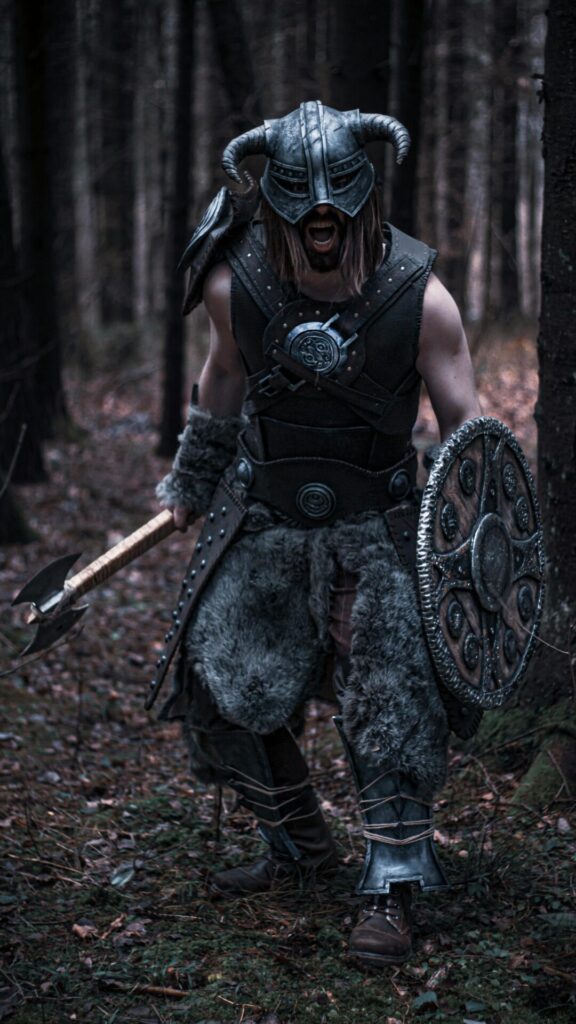
Modern Masculinity, Trauma, and the Rejection of Romantic Heroism
Another reason silence and brutality dominate Viking films lies in modern reassessments of masculinity. Traditional heroic narratives often celebrated verbal confidence, moral clarity, and glorious violence. Viking cinema largely rejects this framework. Its heroes are damaged, uncertain, and emotionally constrained, and their silence reflects inner conflict rather than simple toughness.
Many Viking protagonists are portrayed as men shaped by loss, obligation, and inherited violence. They rarely articulate their doubts or fears. Instead, these emotions surface through erratic behavior, explosive rage, or numb withdrawal. Silence becomes a symptom of trauma, not just cultural stoicism.
Brutality, in this context, is not empowering. It is cyclical. Characters commit violence because it is expected of them, because it is tradition, or because alternatives feel inaccessible. Films emphasize how violence perpetuates itself, trapping individuals in roles they did not fully choose. This reframing turns brutality into a burden rather than a badge of honor.
The rejection of romantic heroism is deliberate. By denying characters eloquent speeches or glorious deaths, Viking films undermine the idea of noble conquest. Even legendary figures are shown as fallible and morally compromised. Their silence often feels heavy, loaded with unspoken regret.
This approach resonates with contemporary audiences attuned to conversations about toxic masculinity and emotional repression. Viking films do not celebrate silence as virtue uncritically; they present it as a coping mechanism with consequences. Emotional isolation leads to miscommunication, cruelty, and tragedy.
Why This Language Endures and What It Says About Us
The persistence of silence and brutality in Viking films suggests that this language speaks powerfully to modern sensibilities. Audiences seem drawn to stories that feel raw and unfiltered, especially in an era saturated with dialogue, explanation, and spectacle. Viking films offer an antidote to excess, replacing noise with stillness and glamour with grit.
This endurance also reflects a desire for authenticity, even if that authenticity is partially constructed. Silence feels honest. Brutality feels real. Together, they create a sense that these stories are closer to lived experience than polished myth. Whether or not this perception is historically accurate matters less than how convincingly it is conveyed.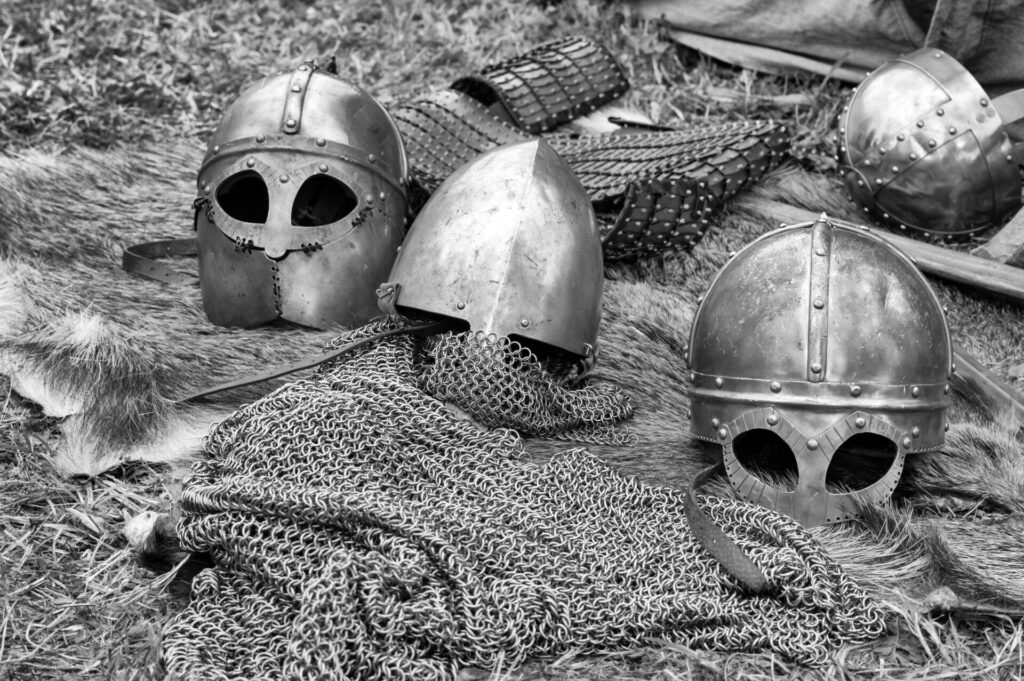
At a deeper level, Viking films tap into anxieties about violence, identity, and survival. By presenting a world where moral clarity is scarce and survival demands cruelty, they mirror contemporary uncertainties. Silence becomes a space for projection, allowing audiences to insert their own interpretations and fears.
The language of Viking cinema also resists easy consumption. These films demand patience and emotional resilience. They do not constantly reassure or entertain. Their very harshness becomes a form of integrity, signaling that these stories will not flatter the viewer.
Ultimately, silence and brutality endure because they feel necessary to the stories being told. They strip Viking narratives down to their bones, revealing a world defined by limits rather than possibilities. In doing so, they remind us that history is not a gallery of heroes, but a landscape shaped by suffering, endurance, and unspoken truths.
In the quiet between words and the weight of every blow, Viking films have found their voice. And it is a voice that speaks most powerfully when it says almost nothing at all.